

Ultimate Homemade Deer Jerky Recipe: Tender and Tasty
There’s something innately satisfying about crafting your own jerky at home, especially when it’s made from deer meat.
The ultimate homemade deer jerky recipe promises a tender and tasty delight that’s perfect for outdoor adventures or cozy nights in.
Imagine the rich, smoky flavor that pairs beautifully with the natural gamey taste of deer, accented by a blend of spices.
This recipe is not only a culinary treat but also a nod to traditional methods of preserving meat.
Whether you’re a seasoned hunter or simply a jerky enthusiast, this recipe is bound to become a favorite in your kitchen.
The History and Cultural Significance
• Ultimate Homemade Deer Jerky traces its origins to Native American tribes, where it was originally created out of necessity for preserving meat.
• The dish evolved over decades as techniques and spices from different cultures were incorporated, eventually becoming the beloved version we know today.
• In many American regions, this dish traditionally appears at hunting season celebrations, symbolizing the bounty of the land.
• While many variations exist across different regions, the authentic version maintains a chewy yet tender texture that sets it apart from imitations.
Recipe Overview
Nutritional Information (per serving)
Essential Equipment Guide
Dehydrator: A dehydrator is essential for evenly drying the jerky without cooking it, preserving the texture and flavor. An oven can work as an alternative, but a dehydrator allows for more consistent air flow and temperature control.
Sharp Knife: A sharp knife is crucial for slicing the deer meat thinly and uniformly, which affects the drying time and texture. Ensure it is well-honed for precision cuts.
Marinating Container: Use a non-reactive container like glass or a food-grade plastic bag to marinate the meat, ensuring all pieces are evenly coated and flavorful.
Ingredients
For the Marinade
|
|
| Amount | Ingredient | Notes |
|---|---|---|
| 1 cup | soy sauce | adds savory depth |
| 1 cup | Worcestershire sauce | enhances umami flavor |
| 2 tablespoons | brown sugar | balances saltiness with sweetness |
| 1 teaspoon | black pepper | provides heat |
| 1 teaspoon | garlic powder | adds aromatic quality |
| 1 teaspoon | onion powder | enhances flavor |
| 1 teaspoon | liquid smoke | imparts smoky flavor |
For the Jerky
| Amount | Ingredient | Notes |
|---|---|---|
| 2 pounds | deer meat | trimmed of fat, sliced thinly against the grain |
Preparation Methods
Marination: Marinating is crucial for infusing the meat with flavor. Ensure the meat is fully submerged in the marinade for at least 12 hours in the refrigerator, turning occasionally to evenly coat each piece.
Slicing: Proper slicing involves cutting the meat against the grain to ensure tenderness. Aim for slices about 1/4 inch thick, as thinner slices will dry faster and more evenly.
Dehydrating: Dehydrating involves removing moisture without cooking the meat. Set your dehydrator to 160°F and allow the meat to dry for 4-6 hours, checking regularly to prevent over-drying.
Step 1: Prepare Marinade
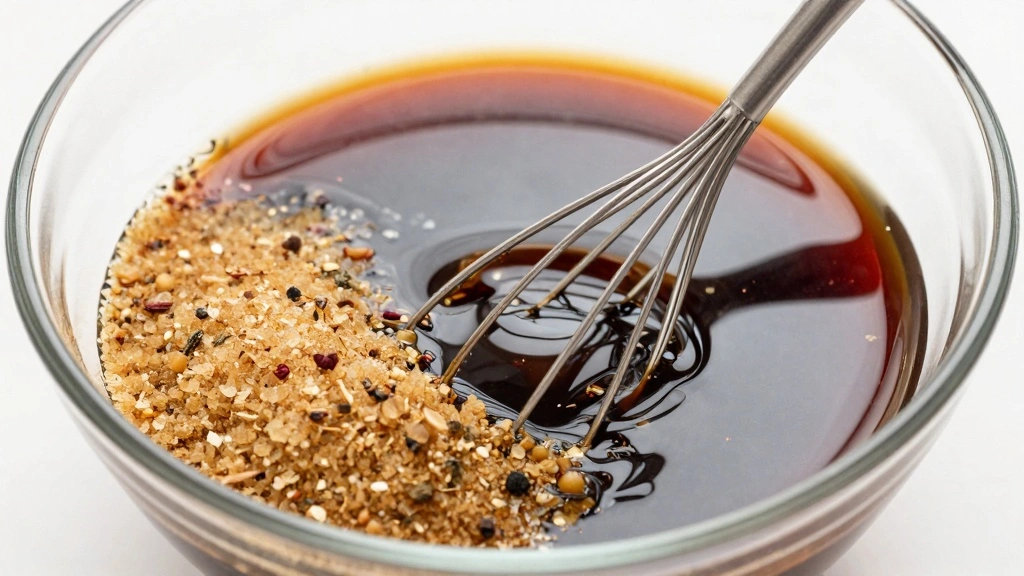
Combine soy sauce, Worcestershire sauce, brown sugar, black pepper, garlic powder, onion powder, and liquid smoke in a bowl.
Whisk the ingredients together until the sugar is completely dissolved.
Ensure the mixture is smooth and well combined.
This marinade will infuse the meat with rich, savory flavors.
Step 2: Slice the Deer Meat

Trim any fat from the deer meat, as it can spoil during dehydration.
Slice the meat into thin strips, about 1/4 inch thick, against the grain.
Ensure the slices are uniform for even drying.
This technique ensures tenderness in the final jerky.
Step 3: Marinate the Meat
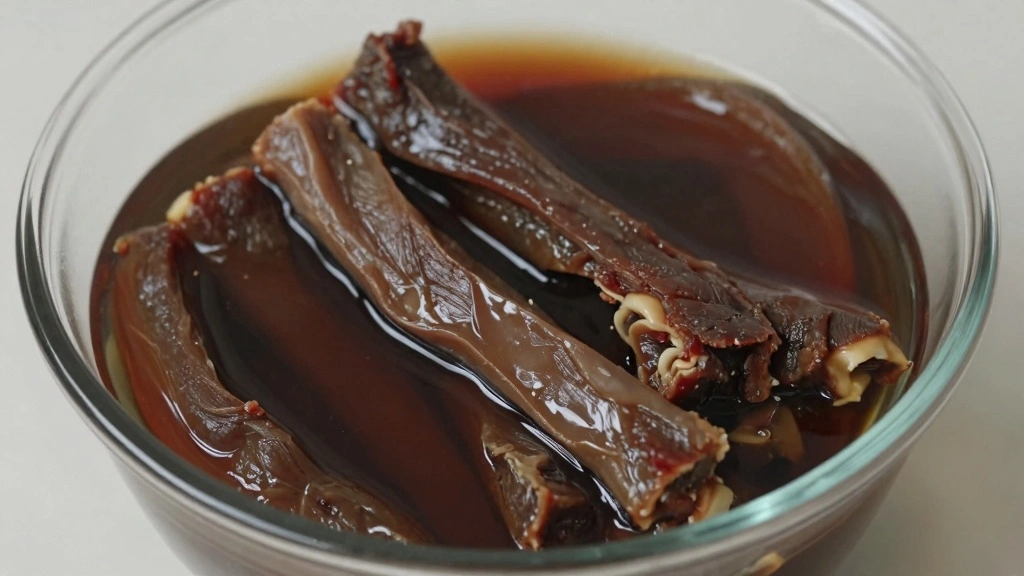
Place the sliced deer meat into the marinade, ensuring each piece is well coated.
Cover and refrigerate for at least 12 hours, turning the meat occasionally.
This allows the flavors to fully penetrate the meat.
A longer marination results in more robust flavor.
Step 4: Prepare the Dehydrator
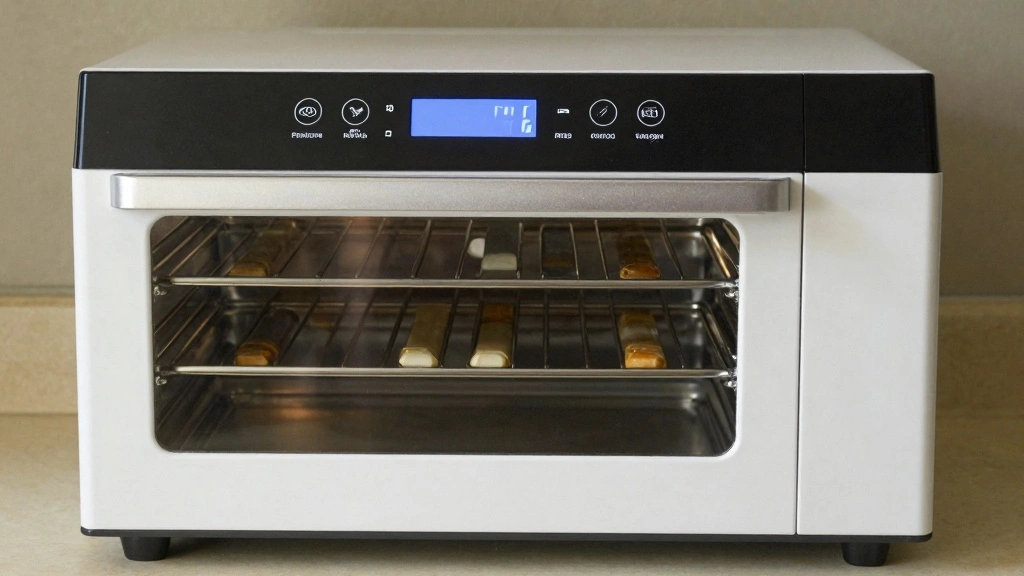
Preheat your dehydrator to 160°F.
Arrange the dehydrator trays, ensuring there is enough space for air circulation.
This setup ensures even drying of the jerky.
Check that the trays are clean and dry.
Step 5: Arrange the Meat on Trays

Remove marinated meat from the fridge and let excess marinade drip off.
Place the strips in a single layer on dehydrator trays without overlapping.
This positioning allows airflow around each piece for even drying.
Ensure the meat is not crowded to prevent uneven dehydration.
Step 6: Start Dehydrating
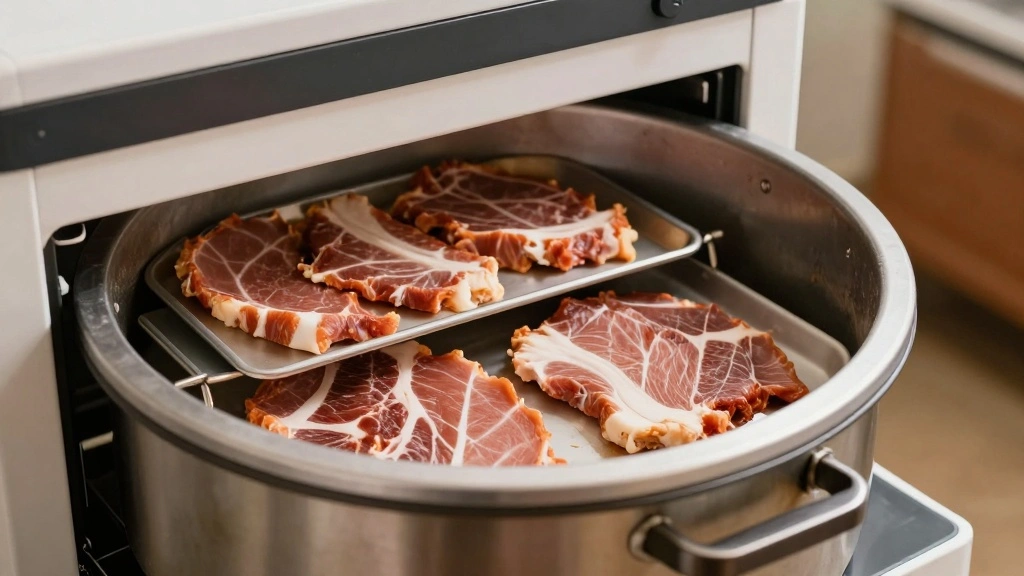
Insert the trays into the dehydrator and close the lid securely.
Begin the dehydration process, setting the timer for 4 hours initially.
Check the jerky every hour for texture and dryness.
Proper dehydration ensures the jerky is neither too dry nor too moist.
Step 7: Check for Doneness
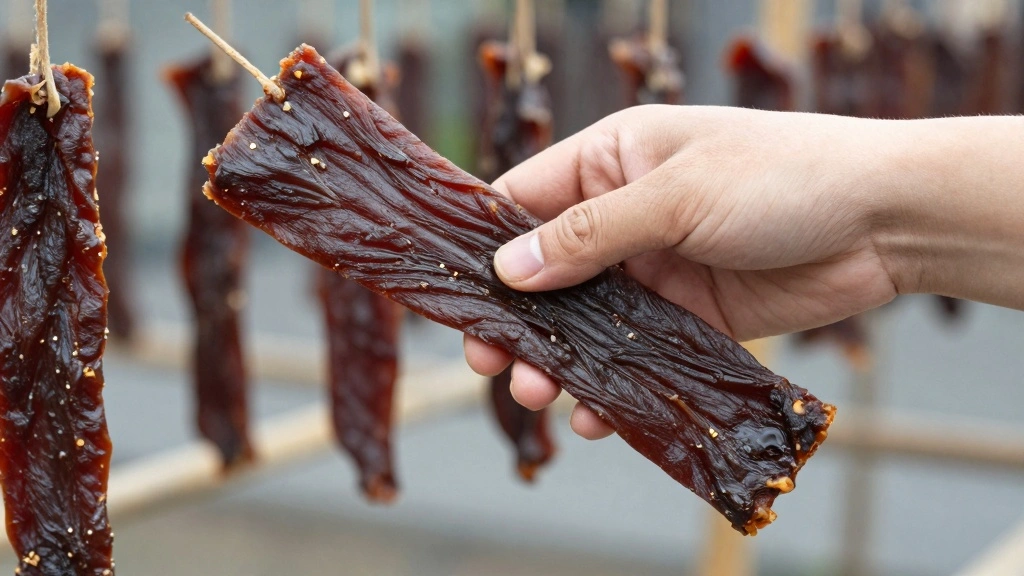
After 4 hours, test the jerky for doneness by bending it slightly.
The jerky should crack but not break completely.
This indicates it is properly dehydrated but still tender.
Extend drying time if necessary, checking every 30 minutes.
Step 8: Cool and Store
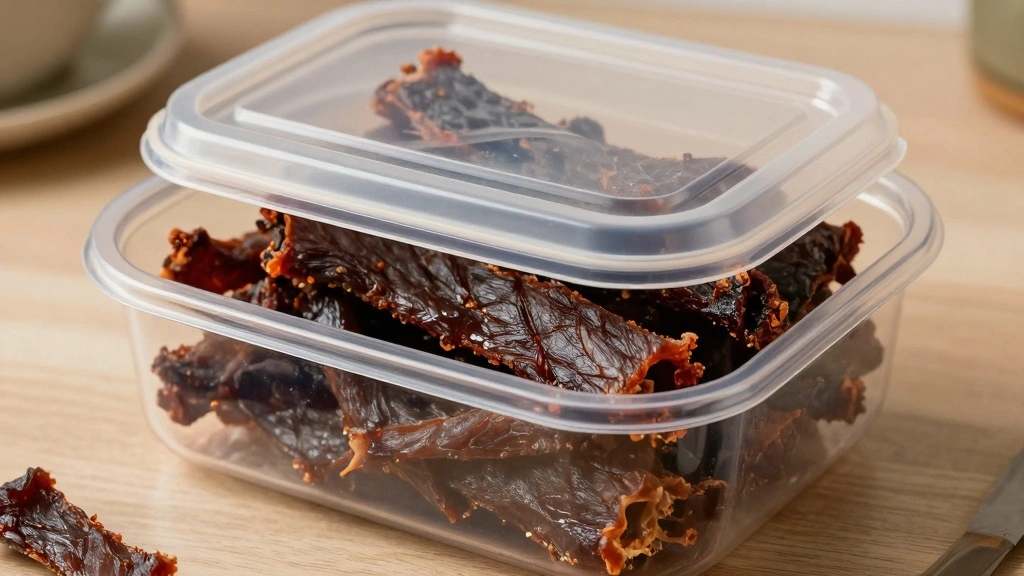
Remove the jerky from the dehydrator and let it cool completely on wire racks.
This prevents condensation in storage.
Once cooled, store in an airtight container to maintain freshness.
Proper storage keeps the jerky flavorful and safe to eat.
Ultimate Homemade Deer Jerky Recipe: Tender and Tasty
Ingredients
Method
- In a bowl, combine soy sauce, Worcestershire sauce, brown sugar, black pepper, garlic powder, onion powder, and liquid smoke. Whisk until the brown sugar dissolves and the mixture is smooth.
- Trim any visible fat from the deer meat (fat can spoil during storage). Slice the meat into uniform strips about 1/4-inch thick, cutting against the grain for a more tender chew.
- Add the sliced deer meat to the marinade and toss to coat thoroughly. Cover and refrigerate for at least 12 hours, turning occasionally so all pieces absorb flavor evenly.
- Preheat a dehydrator to 160°F (71°C). Make sure trays are clean and arranged to allow good airflow.
- Remove meat from the marinade and let excess drip off (optional: pat lightly with paper towels). Lay strips in a single layer on dehydrator trays without overlapping so air can circulate around each piece.
- Dehydrate at 160°F (71°C) for about 4–6 hours, checking periodically. Start checking around the 4-hour mark and continue until the desired dryness is reached.
- Test a strip by bending it: properly dried jerky should bend and crack but not snap cleanly in half. If it feels soft or spongy, continue dehydrating and recheck every 30 minutes.
- Cool jerky completely on wire racks before packaging to prevent condensation. Store in an airtight container; for longest shelf life, refrigerate or freeze.
Nutrition
Critical Timing and Temperature Guide
Marination: Marinate the deer meat for at least 12 hours in the refrigerator. Ensure the marinade covers all pieces evenly to prevent uneven flavor distribution.
Dehydrating: Set the dehydrator to 160°F and dry for 4-6 hours. Check the jerky hourly for the right texture to avoid over-drying, which leads to brittleness.
Storage: Store in an airtight container at room temperature for up to 2 weeks, or refrigerate for longer shelf life. Ensure the container is completely sealed to prevent moisture entry.
Pro Tips for Ultimate Homemade Deer
• Ingredient Selection: For the best results, use freshly harvested deer meat that's been properly butchered and trimmed of fat.
• Preparation Secret: Freezing the meat slightly before slicing can make it easier to cut thin, even strips.
• Temperature Management: Keep the dehydrator consistently at 160°F to ensure safe drying without cooking the meat.
• Texture Enhancement: Properly slicing against the grain is crucial for achieving a tender chew in the final product.
• Flavor Layering: Experiment with adding different spices to the marinade for a flavor profile that caters to your taste.
• Make-Ahead Strategies: Marinate the meat a day in advance and refrigerate, allowing you to start the dehydration process immediately the next day.
• Restaurant-Quality Finishing Touches: Finish the jerky with a light sprinkle of coarse sea salt before storing for a gourmet touch.
• Equipment Optimization: Rotate the trays in the dehydrator halfway through the drying process for even results.
Troubleshooting Common Issues
• Jerky Too Tough: This can occur from over-drying or slicing with the grain. Ensure meat is sliced against the grain and monitor drying time closely.
• Flavors Too Intense: If flavors are overpowering, reduce marination time or dilute the marinade slightly with water.
• Uneven Drying: Commonly caused by overlapping meat slices. Ensure pieces are laid flat and not touching in the dehydrator.
• Jerky Spoiling Quickly: Ensure jerky is fully dried and cooled before storing in airtight containers to prevent moisture build-up.
• Marinade Not Sticking: Pat the meat dry with paper towels before marinating to ensure better adhesion of flavors.
• Jerky Too Salty: Reduce the amount of soy sauce or use a low-sodium version for a milder flavor.
Variations and Regional Differences
• Southwestern Style: This version incorporates chili powder and cumin into the marinade for a spicy kick, reflecting the flavors of the American Southwest.
• Asian-Inspired: Featuring ingredients like ginger, sesame oil, and rice vinegar, this variation offers a sweet and tangy profile common in Asian cuisine.
• Smoked Jerky: Instead of a dehydrator, this method uses a smoker to dry the meat, imparting a deep, smoky flavor that is popular in the southern United States.
• Sweet and Spicy: Adding honey and crushed red pepper to the marinade gives this jerky a unique balance of sweetness and heat.
Food Science Behind the Recipe
• Dehydration: The process of removing moisture from the meat prevents bacterial growth, making it safe for long-term storage.
• Marination: The acid and salt in the marinade help to tenderize the meat by breaking down proteins and infusing flavors.
• Maillard Reaction: The browning of the meat during dehydration enhances the flavor through complex chemical reactions between amino acids and sugars.
Frequently Asked Questions
What's the most common mistake people make when preparing deer jerky? One common mistake is slicing the meat with the grain, resulting in tough jerky. Always slice against the grain for tenderness.
How can I make my jerky spicier? To increase the spiciness, add more black pepper or include crushed red pepper flakes in the marinade.
Can I use an oven instead of a dehydrator? Yes, an oven can be used at its lowest setting with the door slightly ajar to allow moisture to escape, though a dehydrator offers better temperature control.
How should I store homemade jerky? Store jerky in an airtight container at room temperature for up to two weeks, or refrigerate for longer shelf life.
Is it necessary to use liquid smoke? Liquid smoke adds a desirable smoky flavor, but it can be omitted if you prefer a more natural taste.
Can I use other types of meat for this recipe? Yes, other lean meats such as beef or turkey can also be used, though the drying time may vary.
How do I know when my jerky is done? Properly dried jerky should bend and crack slightly but not break completely.
Serving and Presentation Guide
• Traditional Presentation: Serve the jerky in a rustic basket lined with parchment paper, reminiscent of historical preservation methods.
• Modern Snack: Arrange jerky strips in a mason jar with a decorative ribbon, perfect for gifting or storing on the kitchen counter.
• Gourmet Platter: Pair jerky with cheeses, nuts, and dried fruits on a charcuterie board for an upscale snack experience.
• On-the-Go: Package jerky in resealable bags for convenient travel snacks, ideal for hikes or road trips.
Conclusion
Crafting your own ultimate homemade deer jerky is a rewarding experience that combines tradition with culinary creativity.
With the right techniques and ingredients, you can produce a flavorful and tender treat that rivals any store-bought version.
So why not embrace this time-honored tradition and enjoy the satisfaction of making your own delicious jerky?




This jerky recipe sounds amazing! I’ve tried making jerky once, but I think I ended up making a chewy shoe instead. What’s your secret to keeping it tender?
I love how easy this recipe looks! I tried making jerky last summer, and I think I accidentally created a new form of beef candy—too sweet! Have you ever had a jerky mishap?
Did you know that jerky has been around since ancient times? It was a way to preserve meat before refrigeration. Can’t wait to try your recipe!