
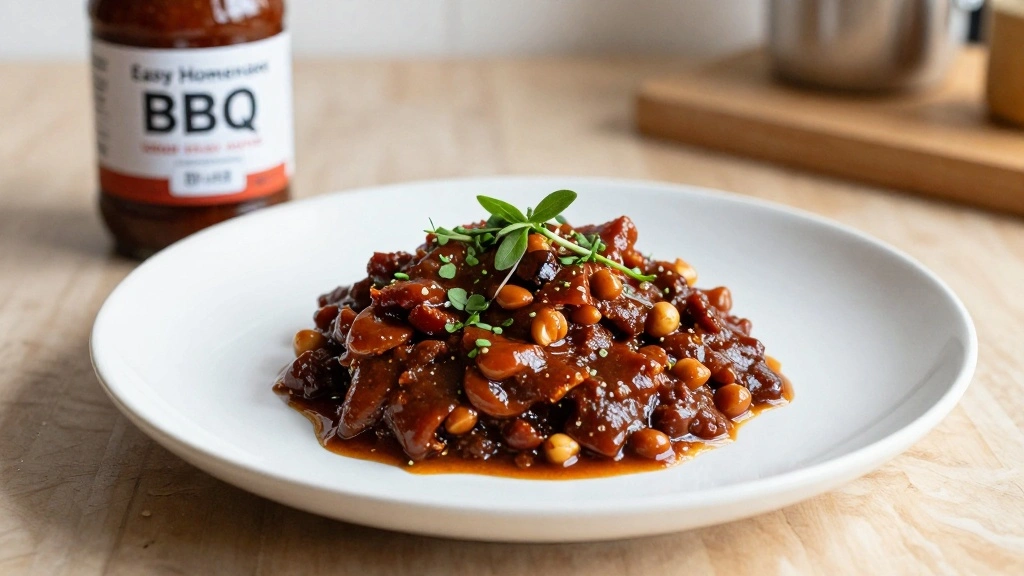
Easy Homemade BBQ Sauce: Sweet, Tangy, and Totally Addictive
The harmonious balance of sweetness, tanginess, and a hint of spice makes homemade BBQ sauce an unforgettable culinary delight.
Each spoonful of this sauce carries the depth of flavors that complement any grilled dish perfectly.
I first stumbled upon this recipe during a summer barbecue, where its addictive taste was the star of the gathering.
The ease of preparation combined with its rich flavor profile makes it a favorite in my kitchen, whether it’s a casual family meal or a special occasion.
With just a few pantry staples, you can create this sauce that elevates your barbecue game to a whole new level.
The History and Cultural Significance
• Homemade BBQ Sauce: traces its origins to the southern United States in the 1800s, where it was originally created by early barbecue enthusiasts.
• The dish evolved over decades as regional ingredients influenced the sauce’s composition, eventually becoming the beloved version we know today.
• In Southern culture, this dish traditionally appears at summer cookouts and family gatherings, symbolizing hospitality and communal enjoyment.
• While many variations exist across different regions, the authentic version maintains a perfect balance of sweet and tangy flavors that sets it apart from imitations.
Recipe Overview
Nutritional Information (per serving)
You Might Also Like

Essential Equipment Guide
Medium Saucepan: Essential for evenly heating the sauce and ensuring all ingredients meld together. A non-stick option is ideal to prevent sticking and burning.
Whisk: Crucial for properly combining ingredients and achieving a smooth, lump-free texture. A balloon whisk is recommended for better aeration.
Glass Jar or Airtight Container: Important for storing the sauce and maintaining its freshness. Look for a jar with a tight seal to extend shelf life.
Ingredients
For the Sauce
|
|
| Amount | Ingredient | Notes |
|---|---|---|
| 1 cup | ketchup | base for the sauce, provides sweetness |
| 1/2 cup | apple cider vinegar | adds tanginess |
| 1/4 cup | brown sugar | enhances sweetness and depth |
| 1 tablespoon | Worcestershire sauce | adds umami and complexity |
| 1 tablespoon | smoked paprika | gives a smoky flavor |
| 1 teaspoon | garlic powder | adds aromatic depth |
| 1/2 teaspoon | onion powder | complements the garlic |
| 1/2 teaspoon | black pepper | adds mild heat |
| 1/4 teaspoon | cayenne pepper | optional, for extra spice |
Preparation Methods
Simmering: This gentle cooking technique is crucial for reducing the sauce and intensifying its flavors. Keep the heat low to medium to prevent burning and allow flavors to meld.
Whisking: Ensures a smooth, homogeneous sauce by incorporating all ingredients evenly. Use a brisk motion to avoid clumps and achieve the desired consistency.
Tasting for Balance: Regular tasting during cooking helps adjust flavors to personal preference. Focus on balancing sweet, tangy, and spicy notes for a harmonious sauce.
Step 1: Prepare Ingredients

Gather all your ingredients on a clean workspace.
Measure each ingredient carefully using the specified quantities.
Ensure all spices are fresh for maximum flavor impact.
Set aside a small bowl for mixing dry spices together.
Step 2: Mix Dry Ingredients
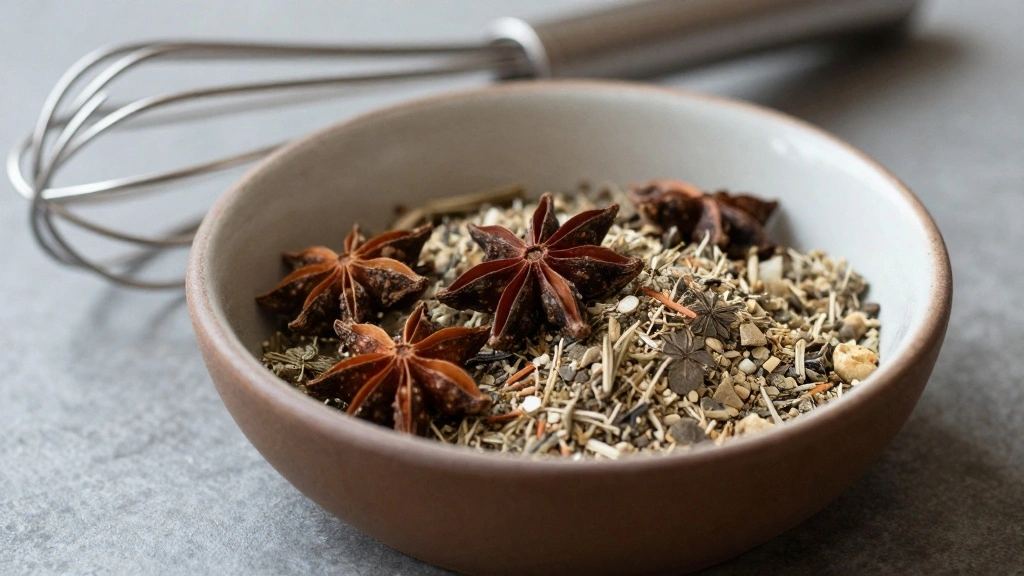
Combine smoked paprika, garlic powder, onion powder, black pepper, and cayenne in a small bowl.
Use a whisk to blend spices evenly.
Check for any clumps and break them apart with the whisk.
Set the spice mix aside for later use.
Step 3: Heat the Saucepan
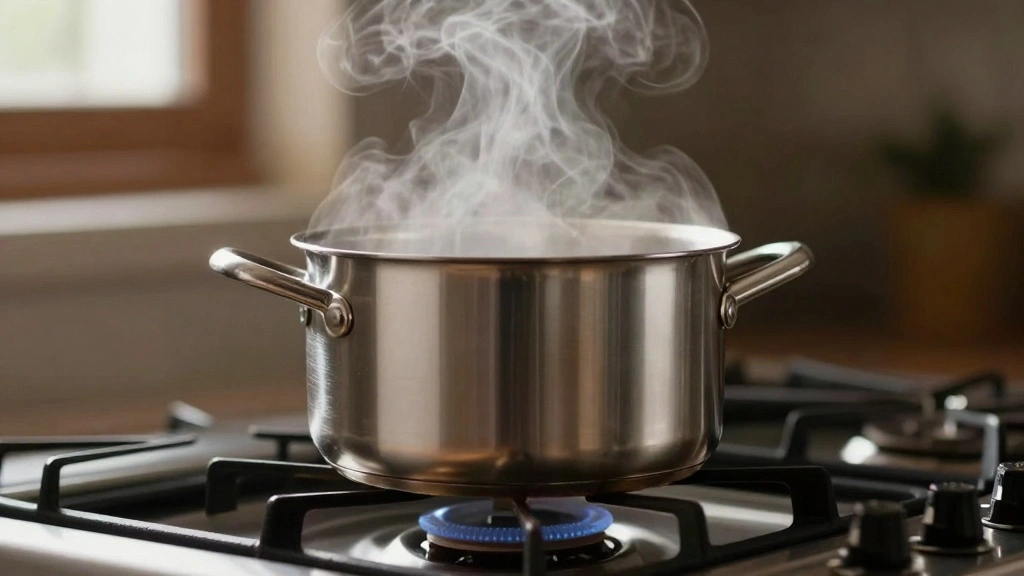
Place a medium saucepan over medium heat on the stove.
Allow it to warm up for a minute until it feels hot to the touch.
Ensure the pan is dry before adding any ingredients.
This step is crucial for preventing sticking as you add the wet ingredients.
Step 4: Add Wet Ingredients
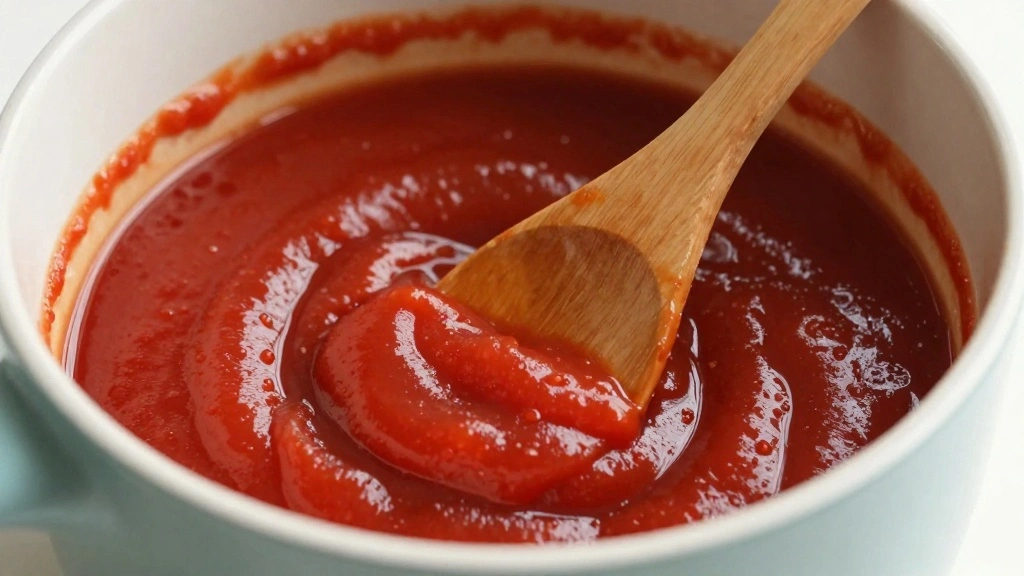
Pour the ketchup, apple cider vinegar, and Worcestershire sauce into the saucepan.
Stir gently to combine the liquids.
Ensure the mixture is smooth and free of lumps.
This forms the base of your BBQ sauce.
Step 5: Incorporate Brown Sugar

Add the brown sugar into the saucepan with the wet ingredients.
Stir continuously until the sugar dissolves completely.
Watch for a smooth, glossy texture as the sugar melts.
This step is key to achieving the desired sweetness.
Step 6: Add Spice Mix
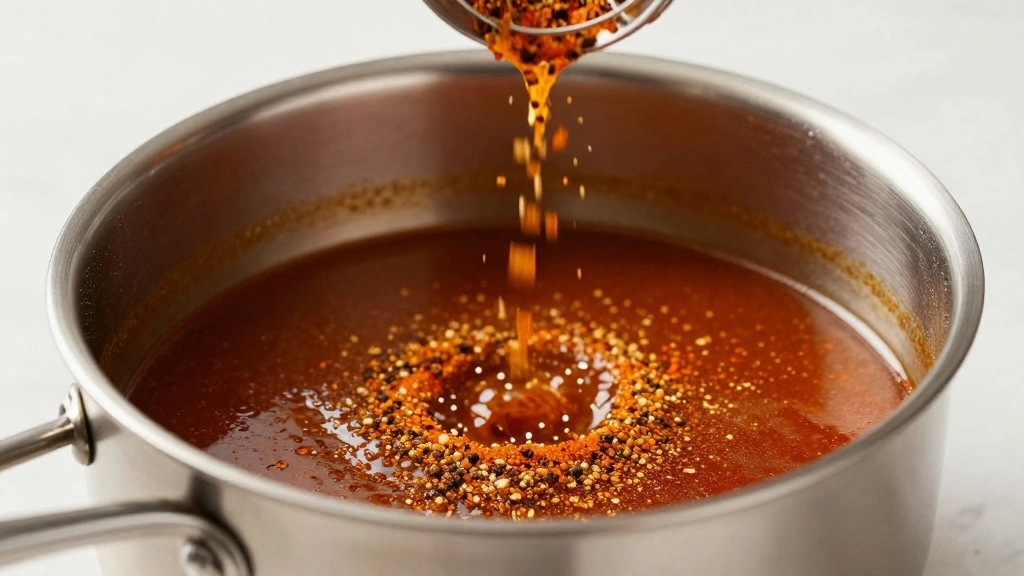
Sprinkle the prepared spice mix into the saucepan.
Stir the sauce to incorporate the spices evenly.
Ensure no clumps remain and the sauce is a uniform color.
Taste for balance, adjusting spices if necessary.
Step 7: Simmer the Sauce

Reduce heat to low and let the sauce simmer gently.
Stir occasionally to prevent sticking and burning.
Allow it to simmer for 15-20 minutes until thickened.
The sauce should coat the back of a spoon when ready.
Step 8: Cool and Store

Remove the saucepan from heat and allow the sauce to cool slightly.
Pour the sauce into a glass jar or airtight container.
Seal tightly to keep the flavors intact.
Refrigerate and use within two weeks for best quality.
Critical Timing and Temperature Guide
Simmering: Simmer the sauce for 15-20 minutes on low heat. Look for a thick, glossy texture as a visual indicator. Avoid high heat to prevent burning the sugars.
Cooling: Allow the sauce to cool for at least 10 minutes before transferring to storage. This prevents condensation inside the jar, which can dilute the sauce.
Storage: Keep the sauce refrigerated at temperatures below 40°F (4°C). This ensures freshness and prevents spoilage over time.
Pro Tips for Homemade BBQ Sauce
• Ingredient Selection: Choose high-quality ketchup and apple cider vinegar, as they are the base of your sauce and greatly influence the final taste.
• Preparation Secret: Toast the spices lightly in the pan before adding liquids to enhance their flavors.
• Temperature Management: Maintain a consistent low heat during simmering to avoid caramelizing the sugars too quickly.
• Texture Enhancement: For a silky texture, strain the sauce through a fine mesh sieve after cooking.
• Flavor Layering: Add a splash of liquid smoke or a teaspoon of mustard for an extra layer of complexity.
• Make-Ahead Strategies: Prepare the sauce a day in advance to allow flavors to meld, storing it in the refrigerator.
• Restaurant-Quality Finishing Touches: Finish with a squeeze of fresh lemon juice just before serving to brighten flavors.
• Equipment Optimization: Use a silicone spatula to scrape down the saucepan sides, ensuring no sauce is wasted.
Troubleshooting Common Issues
• Texture Too Thick: If the sauce becomes too thick, stir in a tablespoon of water or apple cider vinegar to reach desired consistency.
• Flavors Unbalanced: If the sauce is too tangy, add a bit more brown sugar. If too sweet, a splash of vinegar can balance it out.
• Too Spicy: To reduce heat, add a little more ketchup or a touch of honey to mellow the spice.
• Flavor Too Bland: Enhance flavor by adding a pinch more salt or an extra dash of Worcestershire sauce.
• Sauce Separation: If the sauce separates, whisk vigorously or blend with an immersion blender to re-emulsify.
Variations and Regional Differences
• Memphis Style: Features a thicker, sweeter sauce with added molasses and a touch of mustard for depth.
• Kansas City Style: Known for its rich, tomato-based sauce with a balance of sweet and tangy, often with added spices like chili powder.
• Carolina Style: Vinegar-based with a focus on tanginess, often thinner and used as a mop sauce during grilling.
• Texas Style: Typically spicier with a smoky flavor, often incorporating chili peppers and cumin for a robust taste.
Food Science Behind the Recipe
• Caramelization: The browning of sugars during simmering enhances flavor complexity, contributing to the sauce's depth.
• Emulsification: Proper whisking creates a stable mixture of ingredients, preventing separation and ensuring a smooth sauce.
• Maillard Reaction: While not as pronounced in sauces, the subtle browning of spices during cooking adds savory flavors.
Frequently Asked Questions
What's the most common mistake people make when preparing BBQ sauce? Overcooking the sauce, which can lead to a burnt taste and overly thick texture.
Can I make BBQ sauce without sugar? Yes, you can use alternative sweeteners like honey or maple syrup for a different flavor profile.
How long does homemade BBQ sauce last? When stored properly in the fridge, it can last up to two weeks.
Can I freeze BBQ sauce? Yes, freezing in airtight containers can extend its shelf life up to three months.
Is there a way to make BBQ sauce less tangy? Reduce the vinegar amount or add more sweetener to balance the acidity.
What can I do if my sauce is too spicy? Adding more ketchup or a dairy product like sour cream can mellow the heat.
How do I achieve a smoky flavor without liquid smoke? Use smoked paprika or grill the sauce briefly over indirect heat.
Can I use fresh tomatoes instead of ketchup? Yes, but you'll need to cook them down significantly to achieve the same thick consistency.
Serving and Presentation Guide
• Traditional Presentation: Serve in a small ramekin or sauceboat alongside grilled meats for easy dipping.
• Modern Plating: Drizzle artistically over plated dishes using a squeeze bottle for a contemporary touch.
• Family Style: Pour into a small bowl and place in the center of the table for communal serving.
• Picnic Ready: Store in a mason jar with a label for easy transport and casual serving at outdoor gatherings.
Conclusion
With this easy homemade BBQ sauce recipe, you're ready to elevate your grilling game.
The rich, sweet, and tangy flavors are sure to impress family and friends alike.
Don't hesitate to experiment with variations to make this recipe truly your own.
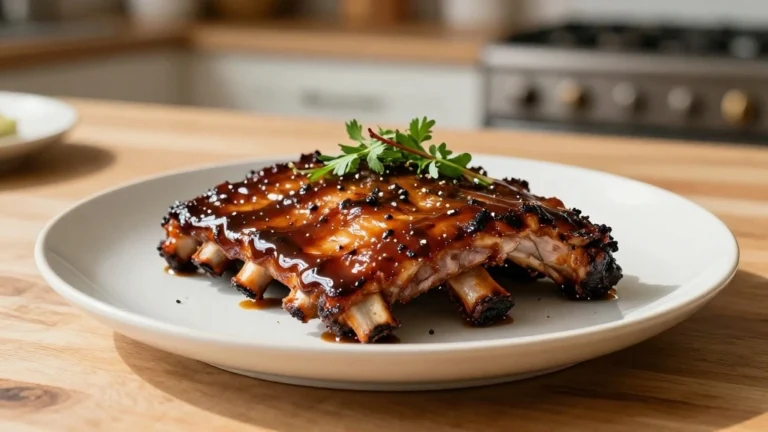
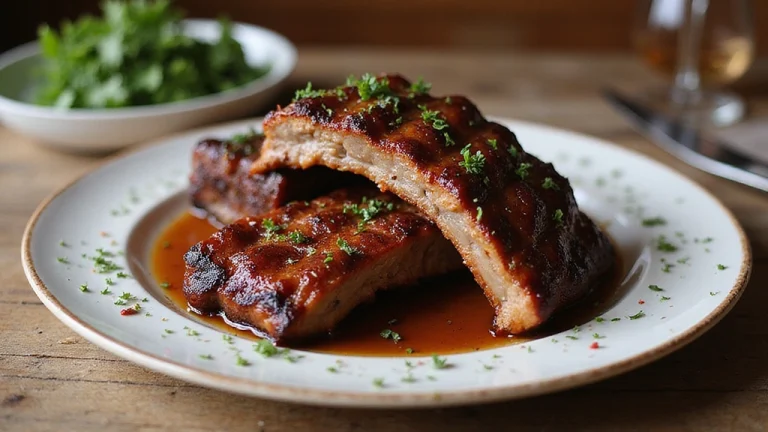


I tried making BBQ sauce once and ended up with a kitchen that looked like a tomato factory exploded! At least I had a good laugh while cleaning up. What’s your funniest cooking disaster?
Did you know that BBQ sauce was first made in the 17th century? It’s been a favorite for so long! I can’t wait to try your recipe and add my own twist!