
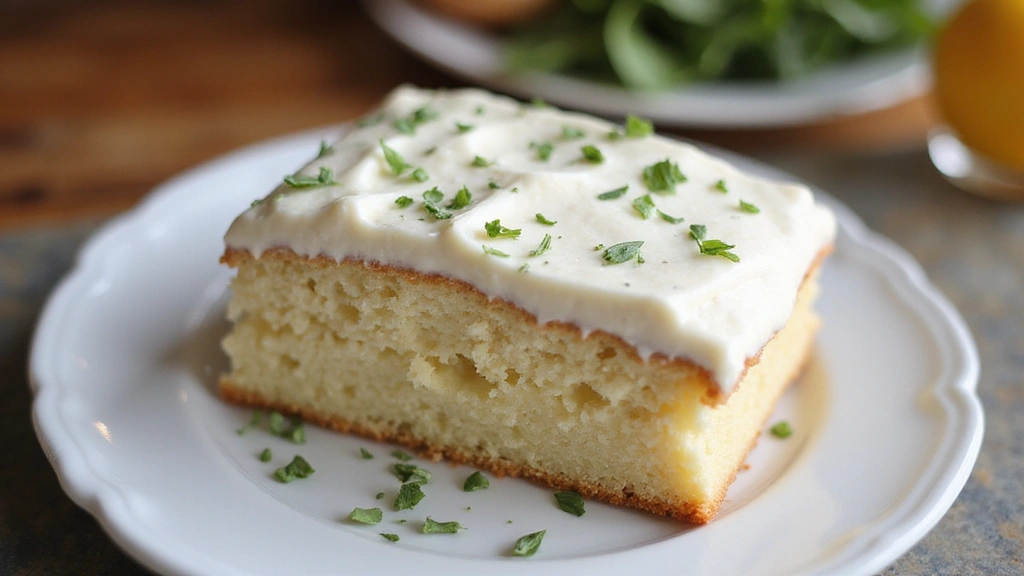
How to Make a Simple White Cake: Fluffy, Delicious, and Perfect for Any Occasion
This classic Simple White Cake brings together centuries of culinary tradition with modern techniques to create a dish that’s both comforting and elegant.
The harmonious balance of vanilla and buttery flavors creates a memorable dining experience that will have everyone asking for your secret.
I discovered this recipe during my travels through the American South, where local bakers have perfected it through generations of careful refinement.
Whether you’re preparing a casual family dinner or hosting a special celebration, this Simple White Cake delivers impressive results with straightforward preparation.
The History and Cultural Significance
• A Simple White Cake traces its origins to the 19th century, where it was originally created by early American bakers as a symbol of celebration.
• The dish evolved over decades as baking powder and refined sugar became more accessible, eventually becoming the beloved version we know today.
• In American culture, this cake traditionally appears at weddings, birthdays, and other significant celebrations, symbolizing joy and festivity.
• While many variations exist across different regions, the authentic version maintains its delicate crumb and lightness that sets it apart from imitations.
Recipe Overview
Servings: 8-10
Prep Time: 20 minutes
Active Cooking Time: 30 minutes
Total Time: 50 minutes
Difficulty: Easy
Best Season: Year-round
Special Equipment: 9-inch round cake pans, electric mixer
Nutritional Information (per serving)
Calories: 250 kcal
Protein: 3 g
Carbohydrates: 40 g
Fat: 10 g
Fiber: 0 g
Sugar: 20 g
Sodium: 200 mg
Essential Equipment Guide
9-Inch Round Cake Pans: These pans are crucial for achieving the perfect height and texture of the cake. Look for non-stick options or those with a light color to prevent over-browning.
Electric Mixer: An electric mixer helps incorporate air into the batter, which is essential for a light and fluffy cake. Stand mixers are ideal, but hand mixers can also work well for smaller batches.
Cooling Rack: A cooling rack allows the cake to cool evenly and prevents sogginess. Avoid placing hot cakes directly on countertops to ensure proper airflow.
Key Ingredients Explained
For the Cake:
• 2 cups all-purpose flour, sifted – Choose a high-quality, unbleached all-purpose flour for the best texture. Sifting helps aerate the flour and removes any lumps, ensuring a smooth batter.
• 1 ½ cups granulated sugar – Opt for fine granulated sugar for even sweetness. This not only sweetens the cake but also contributes to its structure when creamed with butter.
For the Frosting:
• 1 cup unsalted butter, softened – Use high-quality, fresh butter for a rich flavor. It’s crucial that the butter is at room temperature to achieve the right consistency during mixing.
• 4 cups powdered sugar – Sifted powdered sugar gives a smooth frosting texture. It sweetens and stabilizes the frosting, making it easy to spread.
Preparation Methods
Creaming Butter and Sugar: This technique is essential for incorporating air into your batter, which helps the cake rise. Beat the butter and sugar together until light and fluffy, usually about 3-5 minutes on medium speed.
Sifting Dry Ingredients: Sifting helps to aerate the flour and remove lumps, resulting in a lighter cake. Always sift flour, baking powder, and any cocoa or powdered sugar before adding to the wet ingredients.
Folding in Egg Whites: Gently incorporate beaten egg whites into the batter to maintain airiness. Use a spatula and a gentle folding motion to keep the mixture light and fluffy.
Step 1: Prepare Ingredients
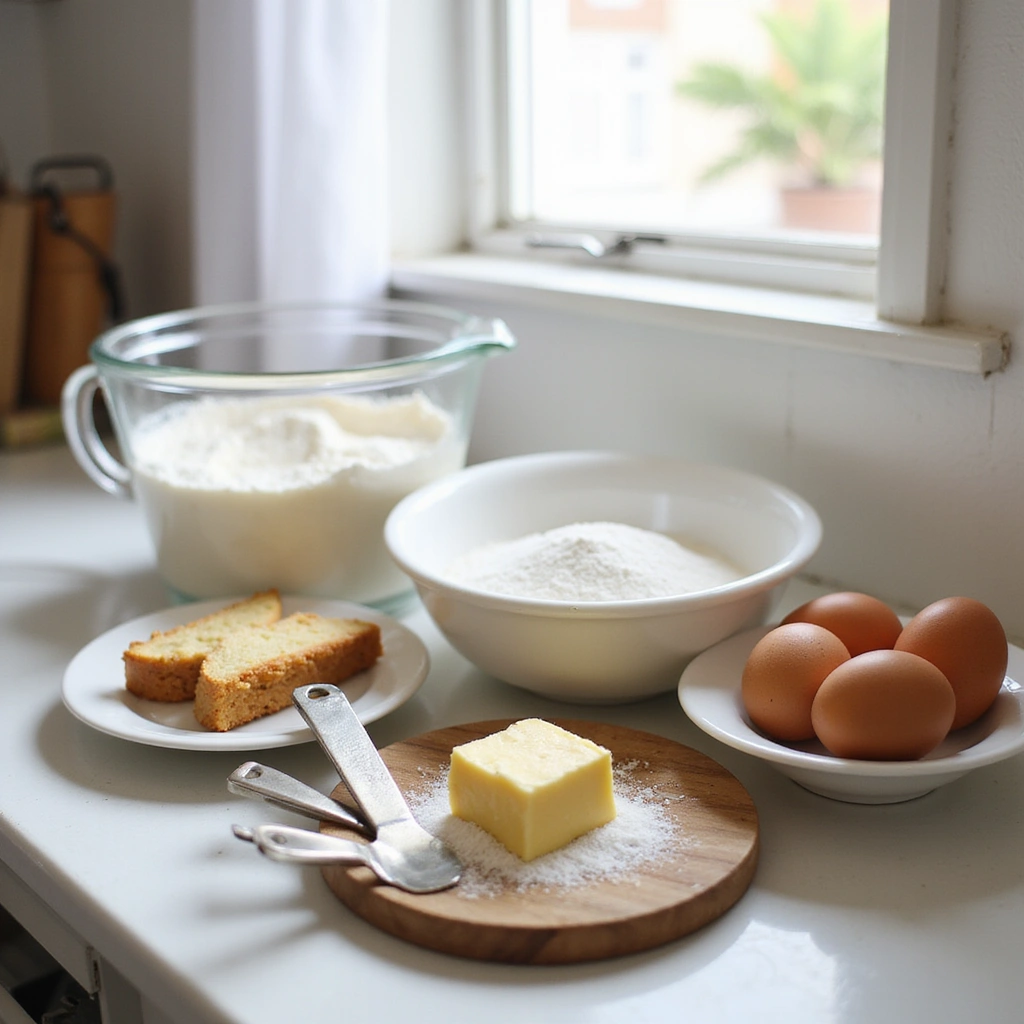
Gather all your ingredients to ensure you have everything on hand.
Measure the flour, sugar, butter, eggs, and any other ingredients as listed in the recipe.
Having everything ready will make the mixing process smoother.
Preheat your oven to 350°F (175°C) to ensure it’s ready when your batter is mixed.
Step 2: Cream Butter and Sugar
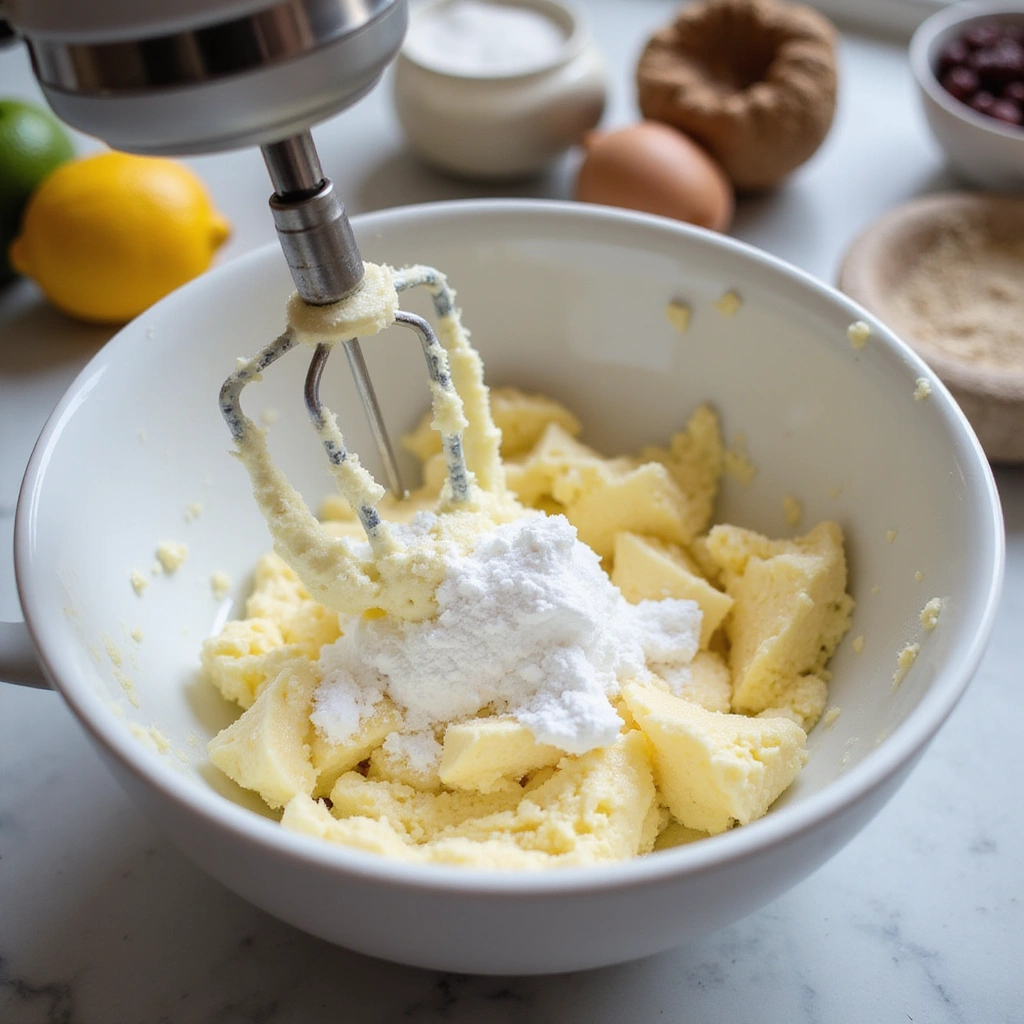
In a mixing bowl, add the softened unsalted butter and granulated sugar.
Using an electric mixer, beat on medium speed until the mixture is light and fluffy, about 3-5 minutes.
Look for a pale color and a fluffy texture, which indicates that enough air has been incorporated.
Scrape down the sides of the bowl as needed to ensure even mixing.
Step 3: Add Eggs and Vanilla
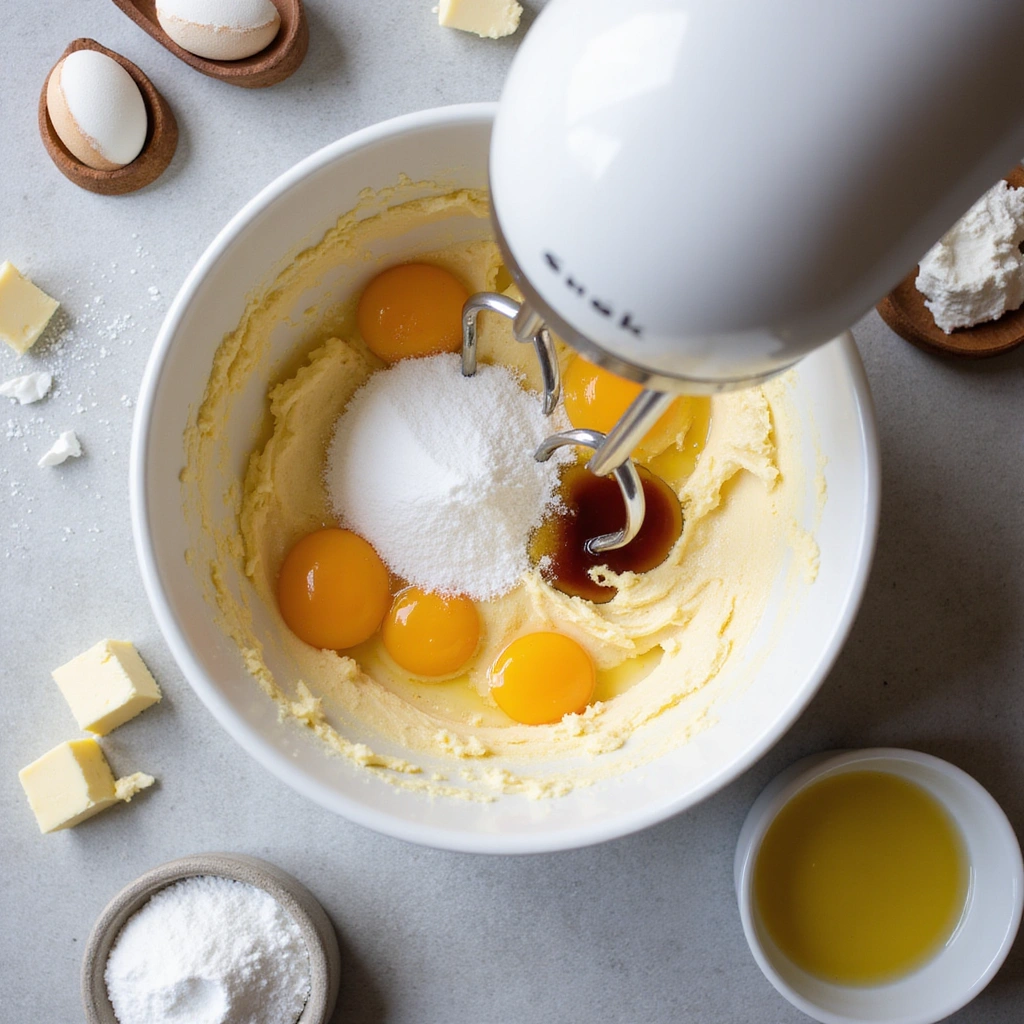
Add the eggs, one at a time, mixing well after each addition.
Then, add the vanilla extract and mix until combined.
The mixture should be smooth and creamy, with no visible egg streaks.
This step helps to create a rich flavor base for your cake.
Step 4: Sift Dry Ingredients
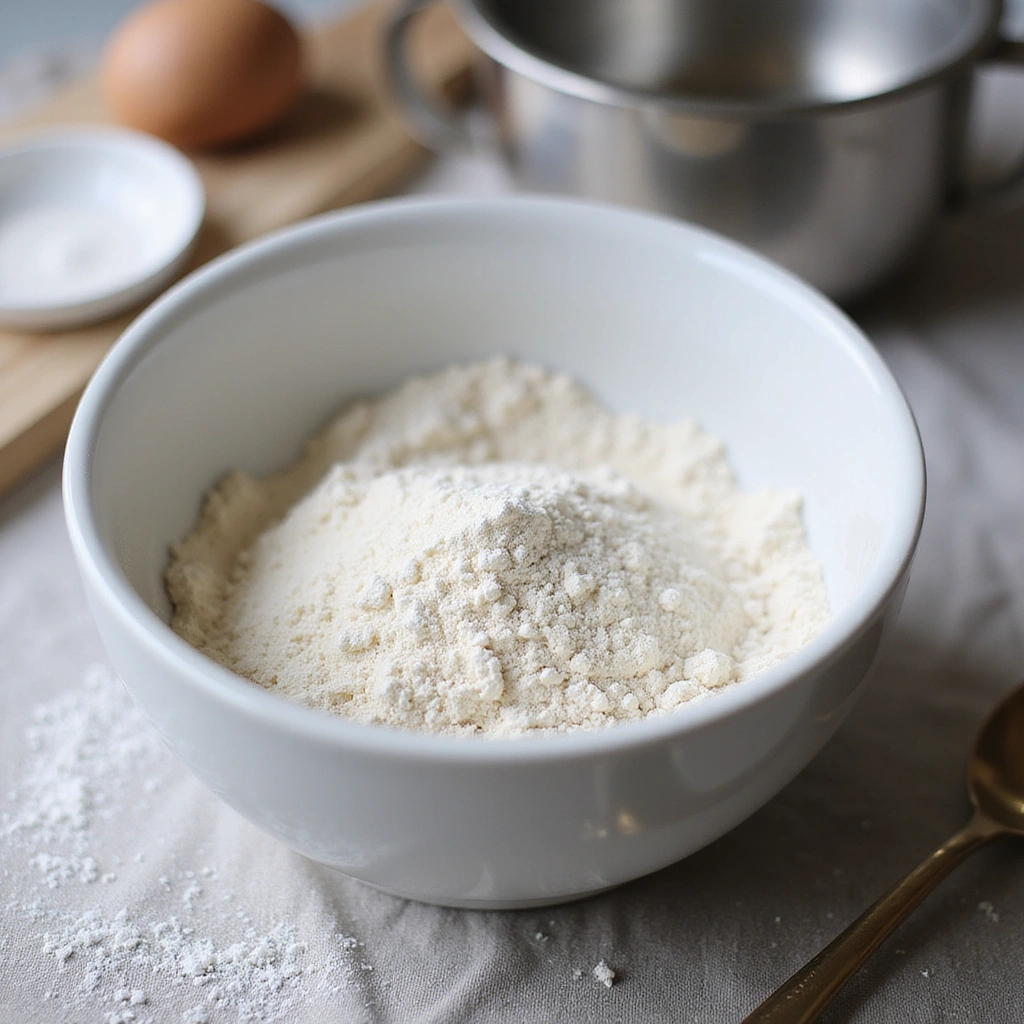
In a separate bowl, sift together the all-purpose flour and baking powder.
This will aerate the flour and ensure the leavening agent is evenly distributed.
Sifting is important for a light and fluffy cake texture.
Set the dry ingredients aside while you prepare the wet mixture.
Step 5: Combine Wet and Dry Ingredients

Gradually add the sifted dry ingredients to the butter mixture, alternating with milk.
Start and end with the flour mixture, mixing until just combined.
Be careful not to overmix, as this can lead to a dense cake.
The batter should be smooth but still have a few lumps.
Step 6: Prepare Cake Pans
Grease the 9-inch round cake pans with butter or non-stick spray.
Then, lightly dust them with flour to prevent sticking.
Ensure even coverage for easy cake removal after baking.
You can also line the bottoms with parchment paper for added assurance.
Step 7: Pour Batter into Pans
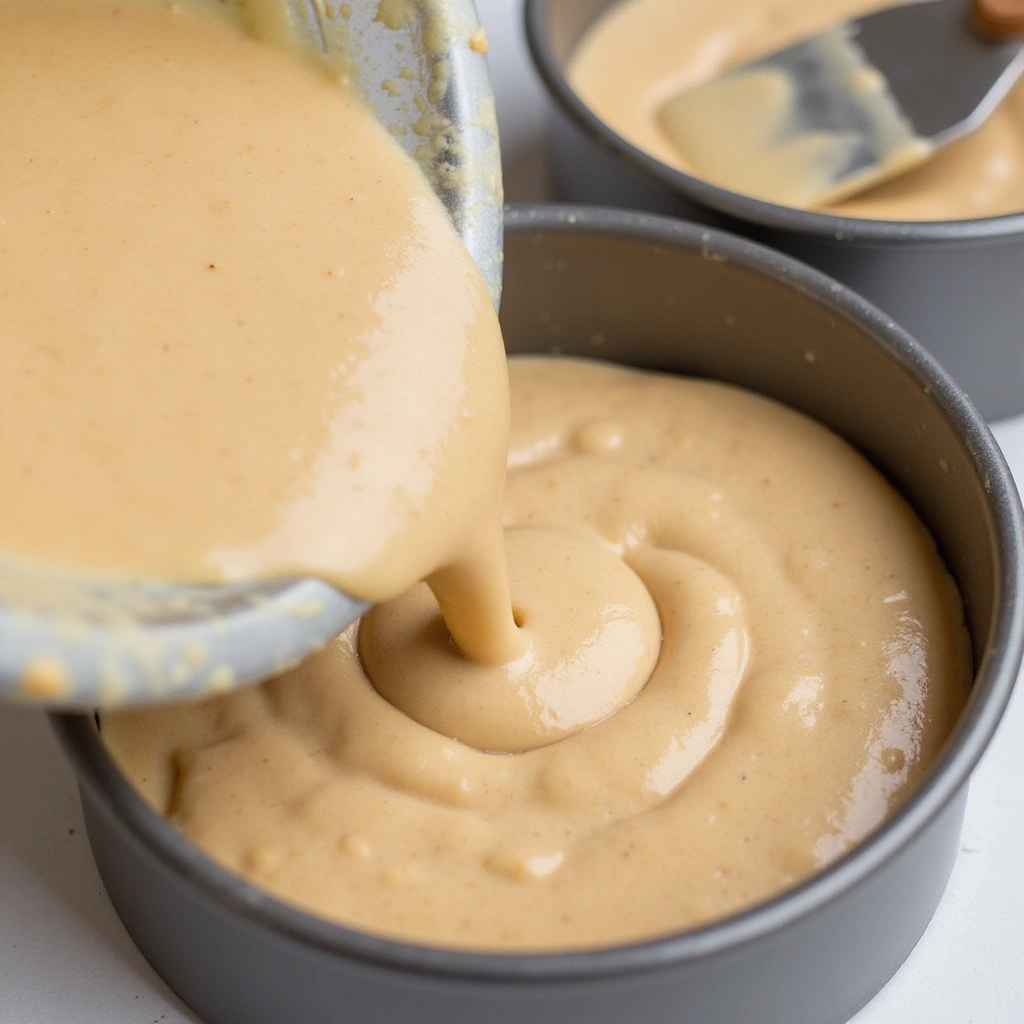
Divide the batter evenly between the prepared cake pans.
Use a spatula to smooth the tops for even baking.
Ensure that both pans have the same amount of batter to promote even rising.
This step is crucial for achieving a uniform cake layer.
Step 8: Bake the Cakes
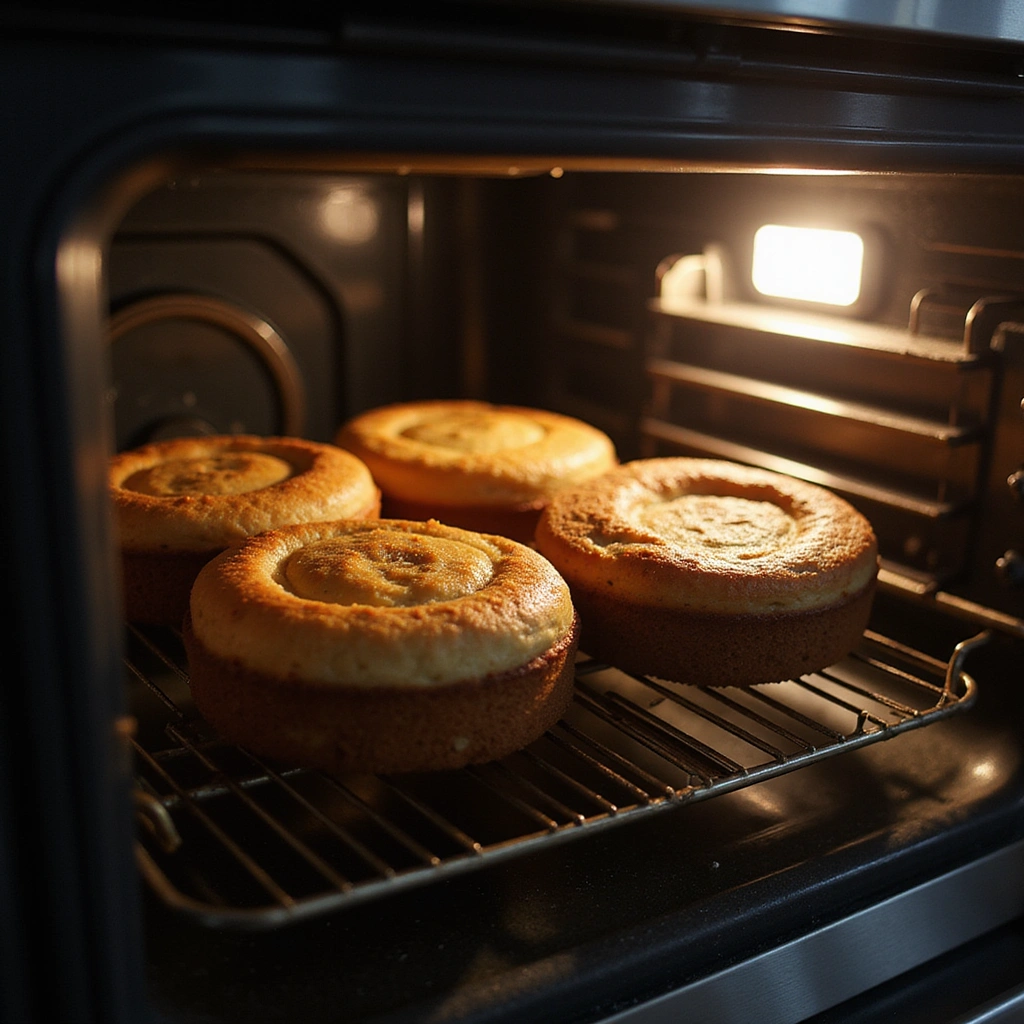
Place the cake pans in the preheated oven and bake for 25-30 minutes.
Check for doneness by inserting a toothpick in the center; it should come out clean.
The edges should be golden brown, and the cakes should spring back when lightly pressed.
Avoid opening the oven door too frequently to prevent temperature fluctuations.
Step 9: Cool the Cakes
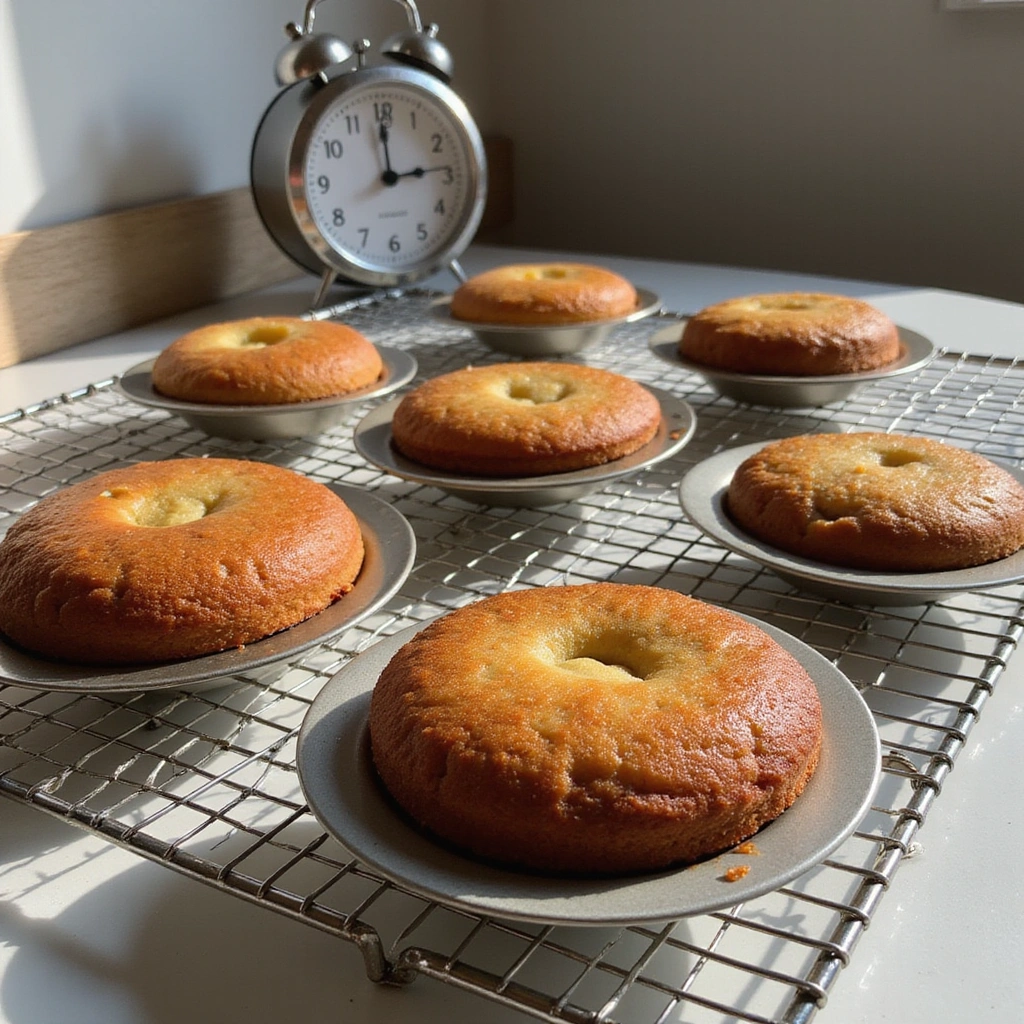
Once done, remove the cakes from the oven and let them cool in the pans for about 10 minutes.
Then, carefully transfer them to a wire cooling rack to cool completely.
Cooling in the pans prevents them from collapsing.
Ensure they are completely cool before frosting to avoid melting the icing.
Step 10: Prepare the Frosting
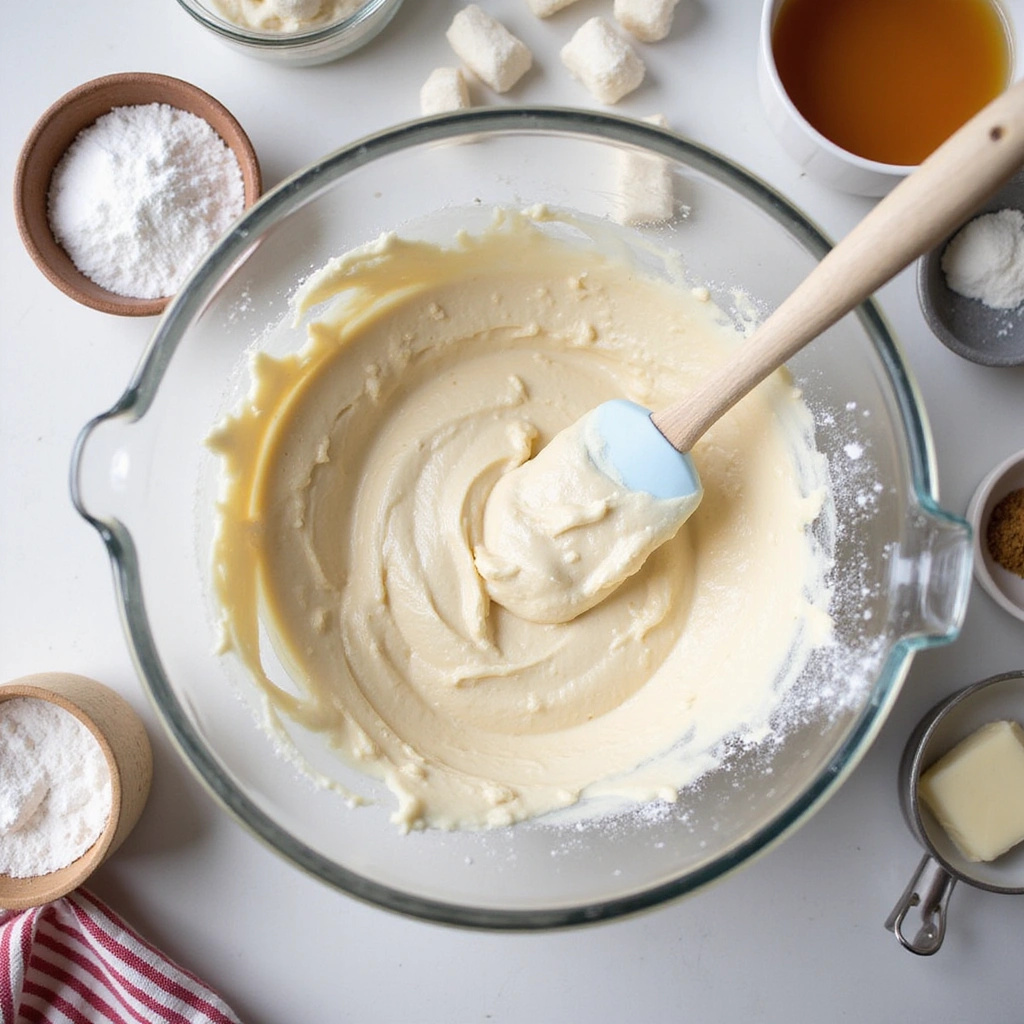
In a mixing bowl, beat the softened unsalted butter until creamy.
Gradually add the sifted powdered sugar, mixing until smooth and fluffy.
If the frosting is too thick, add a little milk until the desired consistency is reached.
Taste and adjust sweetness if necessary.
Step 11: Frost the Cakes
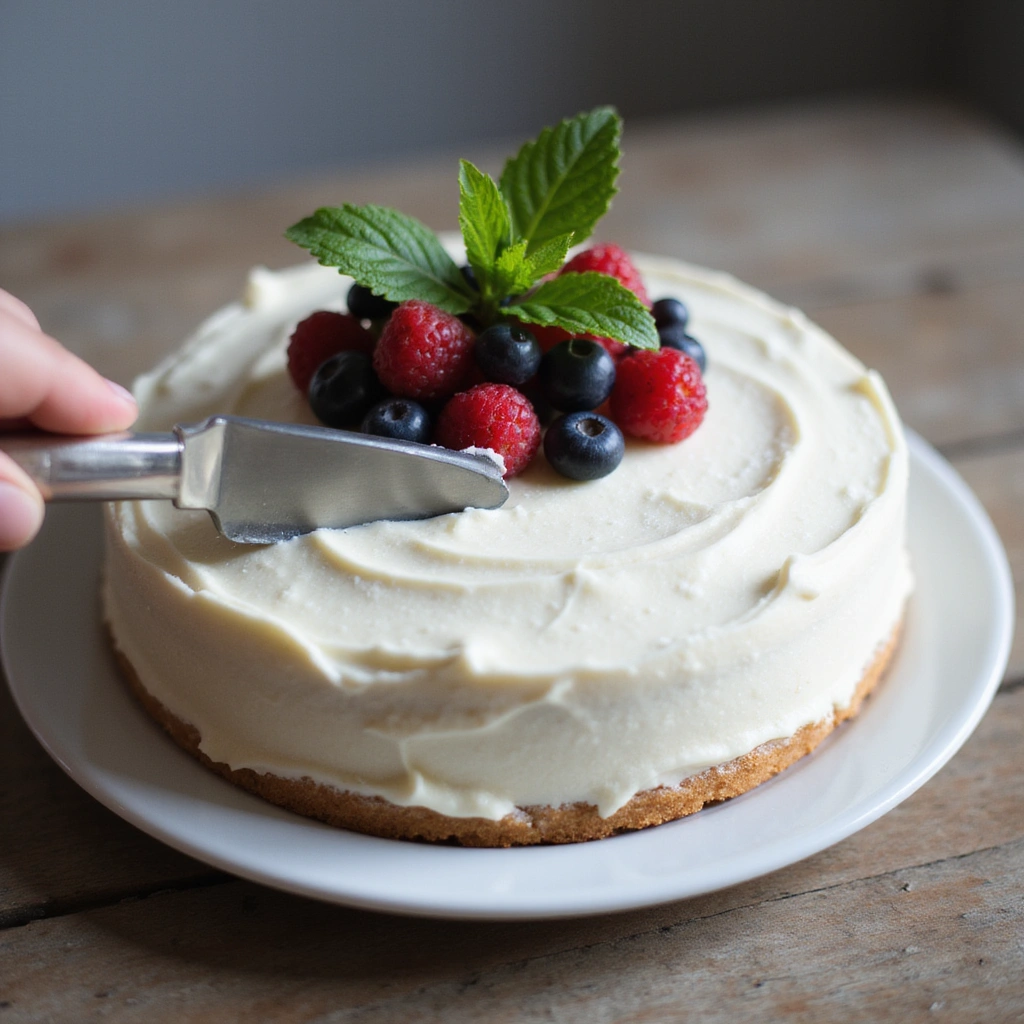
Place one cake layer on a serving plate and spread a layer of frosting on top.
Carefully place the second layer on top and frost the top and sides of the cake.
Use a spatula to create a smooth finish or decorative swirls for flair.
Make sure the layers are aligned for a professional appearance.
Step 12: Serve and Enjoy
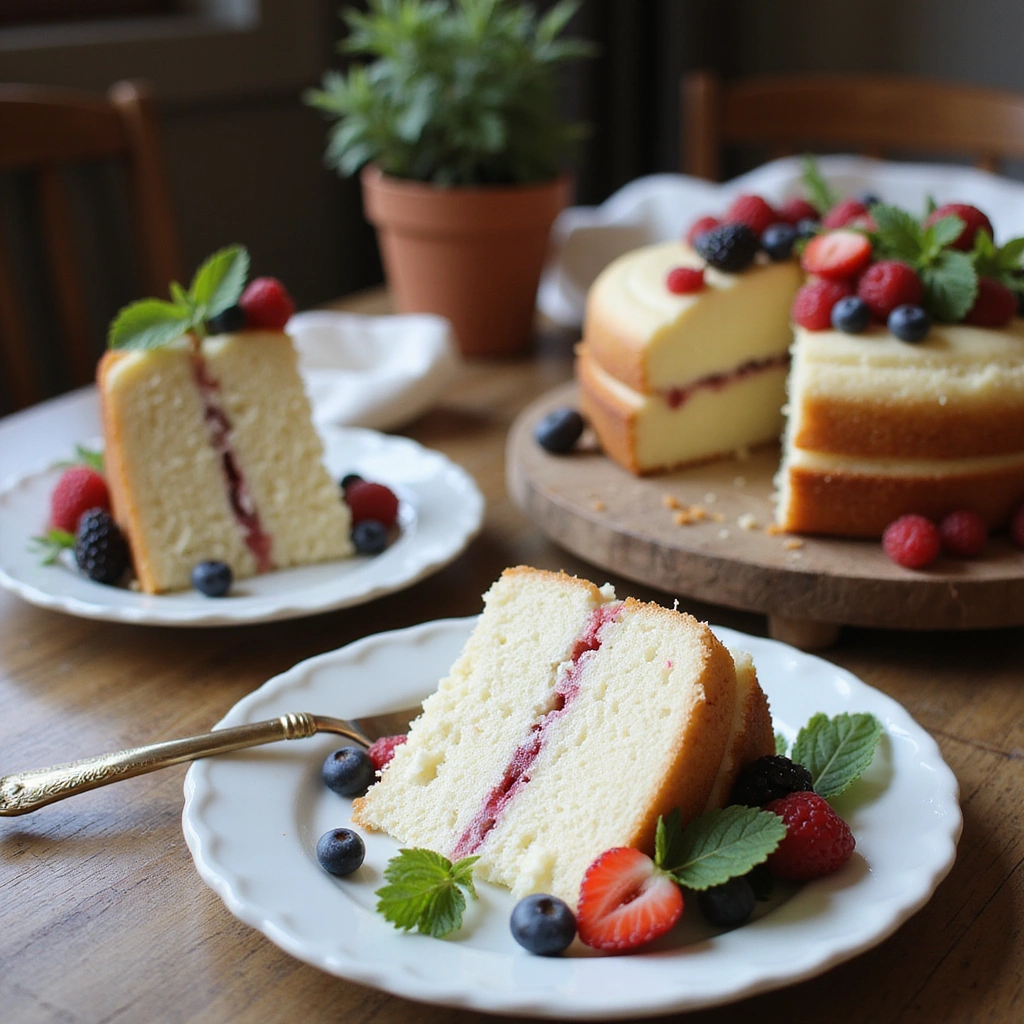
Slice the cake into serving pieces using a sharp knife.
Serve on individual plates, optionally garnished with fresh fruit or whipped cream.
Enjoy your Simple White Cake with family and friends, celebrating its delightful flavors.
Store any leftovers in an airtight container in the refrigerator.
Simple White Cake (Light, Fluffy & Elegant)
Ingredients
Method
- Preheat oven to 350°F (175°C). Bring butter, milk, and egg whites to room temperature. Grease two 9-inch round cake pans; flour or line bottoms with parchment.
- In a large bowl, beat softened butter and granulated sugar on medium speed until pale and fluffy, 3–5 minutes. Scrape bowl as needed.
- Beat in vanilla. Add egg whites one at a time, mixing just to incorporate and keeping the mixture smooth and emulsified.
- In a separate bowl, sift together flour, baking powder, and salt.
- Add dry ingredients to the butter mixture in 3 additions, alternating with the milk in 2 additions (start and end with dry). Mix on low just until combined to keep the crumb light.
- Divide batter evenly between pans and smooth tops for even baking.
- Bake 25–30 minutes at 350°F (175°C), until a toothpick inserted in center comes out clean and tops spring back lightly.
- Cool in pans 10 minutes, then turn out onto a cooling rack to cool completely before frosting.
- Beat butter until creamy. Gradually add sifted powdered sugar, vanilla, pinch of salt, and enough milk/cream to reach smooth, spreadable consistency.
- Frost first layer, stack the second, then frost top and sides. Slice and enjoy. Store leftovers covered in the refrigerator.
Nutrition
Critical Timing and Temperature Guide
Mixing Time: Creaming the butter and sugar should take about 3-5 minutes. Over-mixing can lead to a dense cake, so stop when fluffy and pale.
Baking Time: Bake the cakes for 25-30 minutes at 350°F (175°C). They are done when a toothpick inserted comes out clean, and the tops spring back when pressed.
Cooling Time: Allow the cakes to cool in the pans for 10 minutes, then transfer them to a wire rack. Cooling completely is crucial for proper frosting application and to prevent melting.
Pro Tips for A Simple White Cake
• Ingredient Selection: Use high-quality unsalted butter and pure vanilla extract for the best flavor.
• Preparation Secret: Let your eggs and butter reach room temperature before mixing for better emulsification.
• Temperature Management: Ensure your oven is properly calibrated to avoid uneven baking.
• Texture Enhancement: Avoid over-mixing the batter after adding flour to maintain a light texture.
• Flavor Layering: Consider adding a pinch of salt to enhance sweetness and balance flavors.
• Make-Ahead Strategies: Bake your cakes a day in advance and store them wrapped in plastic wrap to save time.
• Restaurant-Quality Finishing Touches: Use a bench scraper to achieve perfectly smooth frosting edges.
• Equipment Optimization: Invest in quality baking pans for even heat distribution and optimal results.
Troubleshooting Common Issues
• Texture Too Dense: This can occur from over-mixing the batter or using cold ingredients. To fix, ensure ingredients are at room temperature and mix until just combined.
• Flavor Unbalanced: If your cake tastes flat, consider adding a touch more salt or vanilla to enhance the overall flavor profile.
• Uneven Rising: Cakes may rise unevenly if the oven temperature is too high or if the pans are overcrowded. Ensure adequate space between pans and check oven calibration.
• Cake Sticking to Pans: This can happen if pans aren’t properly greased or floured. Always prepare pans thoroughly to ensure easy release.
• Frosting Too Runny: If the frosting is too runny, add more powdered sugar until you reach your desired consistency. A cold kitchen can also cause frosting issues, so be mindful of temperature.
Variations and Regional Differences
• German Butter Cake: This variation incorporates yeast for leavening, resulting in a denser, bread-like cake often flavored with lemon zest and served with fruit toppings.
• Japanese Cotton Cake: A lighter, fluffier version that uses whipped egg whites and a water bath during baking for a soufflé-like texture.
• Italian Pan di Spagna: A sponge cake that relies solely on whipped eggs for leavening, typically used as a base for layered desserts.
• Modern Interpretations: Incorporating almond flour or coconut milk for gluten-free or dairy-free versions, maintaining the cake’s lightness while catering to dietary needs.
Food Science Behind the Recipe
• Emulsification: The process of creaming butter and sugar incorporates air, creating a stable emulsion that helps the cake rise and achieve a light texture.
• Leavening Agents: Baking powder releases carbon dioxide when heated, creating air pockets that help the cake rise during baking.
• Starch Gelatinization: As the cake bakes, the starches in the flour absorb moisture and swell, contributing to the cake’s structure and texture.
Frequently Asked Questions
What’s the most common mistake people make when preparing Simple White Cake? Many people over-mix the batter after adding the flour, leading to a dense cake. Mix just until combined for a lighter texture.
Can I prepare components of this dish in advance? Yes, you can bake the cakes a day ahead and store them wrapped in plastic wrap. Frosting can also be made in advance and stored in the refrigerator.
How do I adapt this recipe for dietary restrictions? To make it gluten-free, substitute with a gluten-free flour blend. Use dairy-free butter and milk for a dairy-free version.
What’s the best way to store and reheat leftovers? Store leftovers in an airtight container in the refrigerator for up to 5 days. To reheat, microwave individual slices for about 10-15 seconds.
Can I freeze this dish? Yes, the unfrosted cake can be frozen for up to 3 months. Wrap tightly in plastic wrap and foil before freezing. Thaw in the refrigerator overnight before frosting.
What wine or beverages pair best with this dish? A light sparkling wine or a refreshing iced tea pairs well, complementing the cake’s sweetness without overpowering it.
How can I scale this recipe up for a crowd? To serve more people, double the recipe and bake in larger pans, adjusting the baking time as needed. Ensure all ingredients are well mixed for consistency.
What side dishes complement this recipe best? Fresh fruit salad or a light whipped cream can complement the sweetness of the cake, adding freshness to the dessert.
How do professional chefs elevate this dish for restaurant service? Chefs often add layers of fruit or flavored syrups between layers and decorate with edible flowers or gourmet chocolate for a refined presentation.
Serving and Presentation Guide
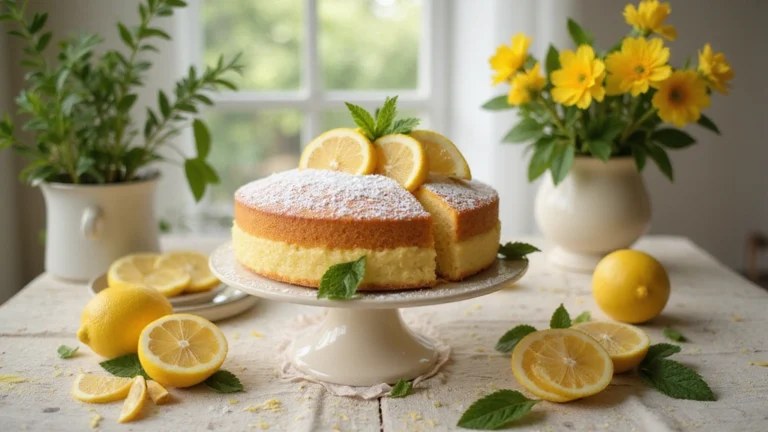
• Traditional Presentation: Serve the cake on a beautiful cake stand with simple garnishes like fresh berries or mint sprigs to enhance its visual appeal.
• Modern Plating Ideas: Consider plating slices on individual dessert plates with artistic drizzles of fruit coulis or a dusting of powdered sugar.
• Accompaniment Suggestions: Pair with a scoop of vanilla ice cream or a dollop of freshly whipped cream for added indulgence.
• Special Occasion Presentation: For weddings or celebrations, decorate with edible flowers and a delicate lace doily under the cake for a sophisticated touch.
Conclusion
This Simple White Cake is a timeless recipe that brings joy to any occasion.
With its light texture and delightful flavor, it’s sure to become a favorite in your home.
I encourage you to try making this cake and share it with loved ones, creating sweet memories together.



This white cake recipe sounds amazing! I love how simple it is. What do you think is the best frosting to pair with it?
I tried making a white cake once, and I accidentally used salt instead of sugar. Let’s just say it didn’t end well! Have you ever made a baking blunder like that?