

How to Make the Ultimate BBQ Ribs: Tender, Smoky, and Finger-Licking Good
There’s something about a perfectly cooked rack of ribs that speaks to the soul.
The tender meat falling off the bone, infused with smoky flavors, is a hallmark of great BBQ.
This recipe for Ultimate BBQ Ribs combines tradition with modern technique for the best results.
Whether you’re hosting a summer cookout or a cozy family dinner, these ribs are sure to impress.
The balance of sweet, savory, and smoky flavors creates a dish that’s irresistible.
Get ready to dive into a world of taste and texture with this ultimate guide.
The History and Cultural Significance
• The Ultimate BBQ traces its origins to the Southern United States, where it was originally created by pitmasters perfecting the art of slow-cooking meat.
• The dish evolved over decades as spices and sauces were introduced, eventually becoming the beloved version we know today.
• In Southern culture, this dish traditionally appears at family gatherings and festivals, symbolizing community and celebration.
• While many variations exist across different regions, the authentic version maintains a slow-cooked tenderness that sets it apart from imitations.
Recipe Overview
Nutritional Information (per serving)
You Might Also Like
Essential Equipment Guide
Smoker: A smoker is essential for achieving that authentic smoky flavor in your ribs. If a smoker is not available, a charcoal grill with wood chips can be a good alternative. Look for a smoker with consistent temperature control for best results.
Meat Thermometer: This tool ensures your ribs are cooked to the perfect temperature. Alternatives include instant-read thermometers, but they may not provide continuous monitoring. Look for a thermometer that can be left in the meat during cooking for ease.
Rib Rack: Using a rib rack allows for even cooking and saves space if you’re cooking multiple racks. In its absence, you can use a makeshift foil coil to prop the ribs. Ensure that the rack is sturdy and fits well in your smoker or grill.
Ingredients
For the Ribs
|
|
| Amount | Ingredient | Notes |
|---|---|---|
| 2 racks | pork ribs | about 2-3 pounds each |
| 1 tablespoon | salt | enhances flavor |
| 1 tablespoon | black pepper | adds heat |
For the Dry Rub
| Amount | Ingredient | Notes |
|---|---|---|
| 2 tablespoons | paprika | adds color and smoky flavor |
| 1 tablespoon | brown sugar | adds sweetness |
| 1 teaspoon | garlic powder | enhances savory notes |
For the Sauce
| Amount | Ingredient | Notes |
|---|---|---|
| 1 cup | ketchup | base for sauce |
| 1/4 cup | apple cider vinegar | adds tang |
| 1/4 cup | honey | adds sweetness |
| 2 tablespoons | Worcestershire sauce | adds umami |
Preparation Methods
Dry Rubbing: This technique involves applying a mixture of spices directly onto the meat. It's crucial for flavor infusion and forming a crust. Use your hands to massage the rub thoroughly over all surfaces of the ribs.
Smoking: Smoking involves cooking the ribs at a low temperature with indirect heat and wood smoke. This method imparts a deep, smoky flavor. Maintain a consistent temperature and use wood chips like hickory or apple for a balanced smoke.
Basting: Basting is the process of applying sauce to the ribs during cooking. It builds up layers of flavor and keeps the meat moist. Use a brush to apply the sauce evenly and reapply every 30 minutes during the final cooking phase.
Step 1: Prepare Ingredients

Gather all your ingredients and equipment.
Ensure the ribs are defrosted and pat them dry with paper towels.
Measure out the dry rub ingredients into a small bowl.
Mix the dry rub ingredients thoroughly to combine.
Step 2: Apply the Dry Rub
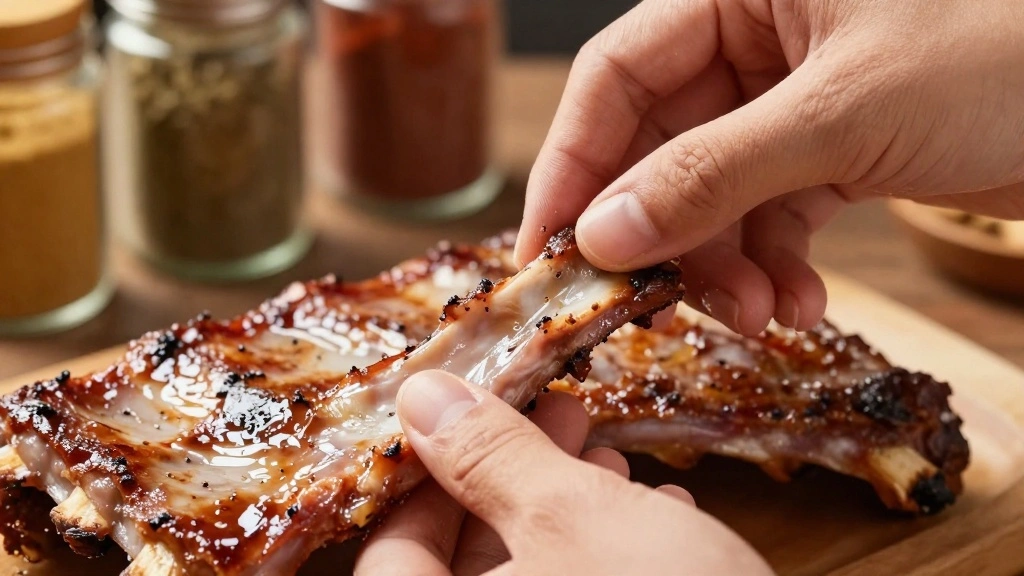
Place the ribs on a clean surface and remove the membrane from the back.
Generously sprinkle the dry rub over both sides of the ribs.
Use your hands to press the rub into the meat, ensuring even coverage.
Let the ribs sit at room temperature for 20 minutes to absorb flavors.
Step 3: Prepare the Smoker

Preheat your smoker to 225°F (107°C).
Add your choice of wood chips, such as hickory, to the smoker.
Ensure the smoker is set up for indirect heat cooking.
Allow it to stabilize at the desired temperature before adding ribs.
Step 4: Smoke the Ribs
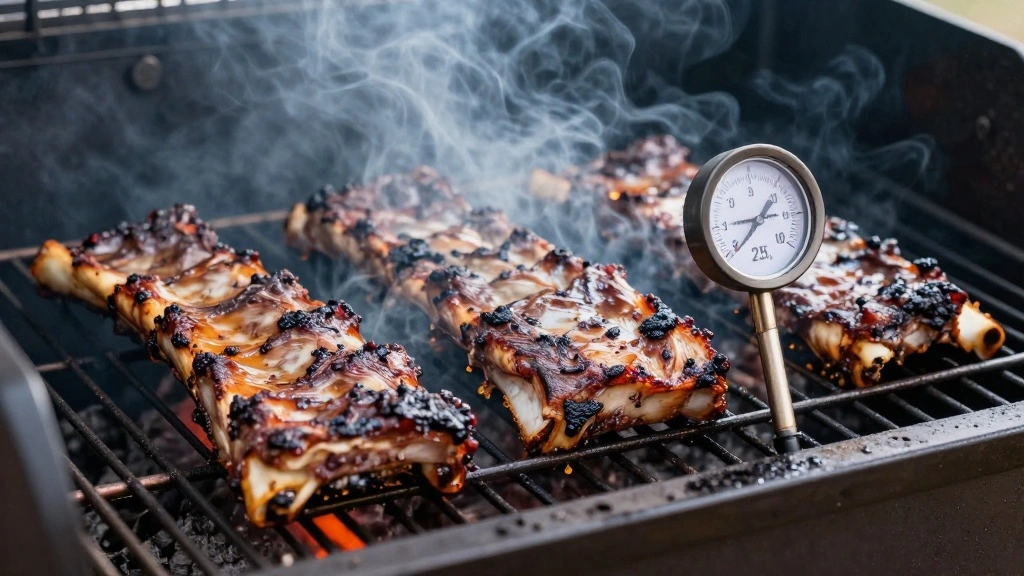
Place the ribs in the smoker bone side down.
Close the smoker lid and let the ribs cook for 2 hours.
Maintain a steady temperature throughout the cooking process.
Check periodically to ensure consistent smoke and heat.
Step 5: Prepare the Sauce
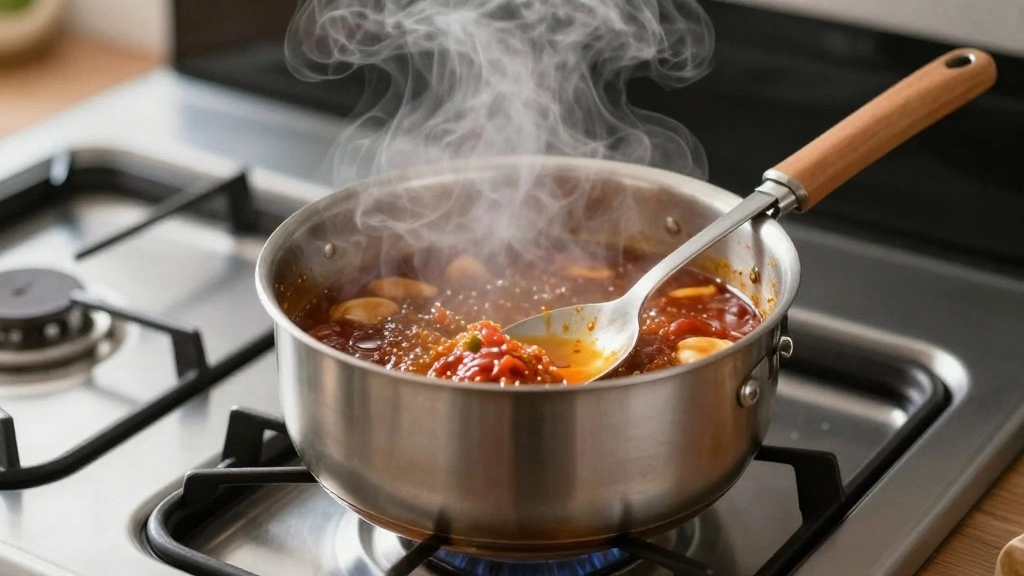
Combine ketchup, apple cider vinegar, honey, and Worcestershire sauce in a saucepan.
Heat over medium heat, stirring occasionally, until ingredients are well combined.
Allow the sauce to simmer for 10 minutes to thicken slightly.
Set aside to cool before using it for basting.
Step 6: Baste the Ribs
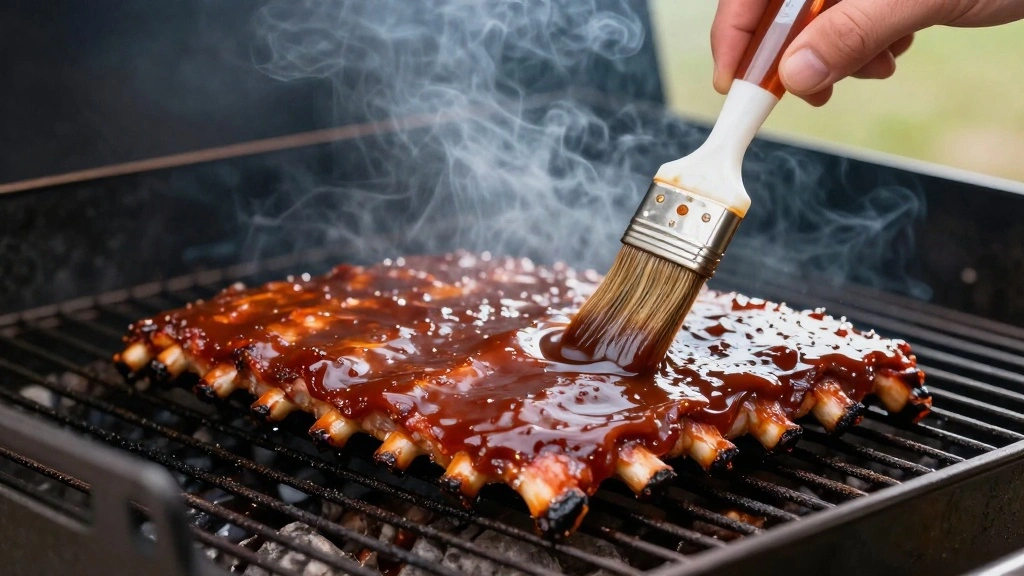
After 2 hours, open the smoker and brush the ribs with the sauce.
Apply the sauce liberally to both sides of the ribs.
Repeat the basting every 30 minutes for the next hour.
This process helps build layers of flavor on the ribs.
Step 7: Final Cook

Continue cooking the ribs for another hour.
Check for doneness by ensuring meat is tender and bones are exposed.
The internal temperature should reach 190°F (88°C) for optimal tenderness.
Remove ribs from the smoker once they reach the desired texture.
Step 8: Rest and Serve
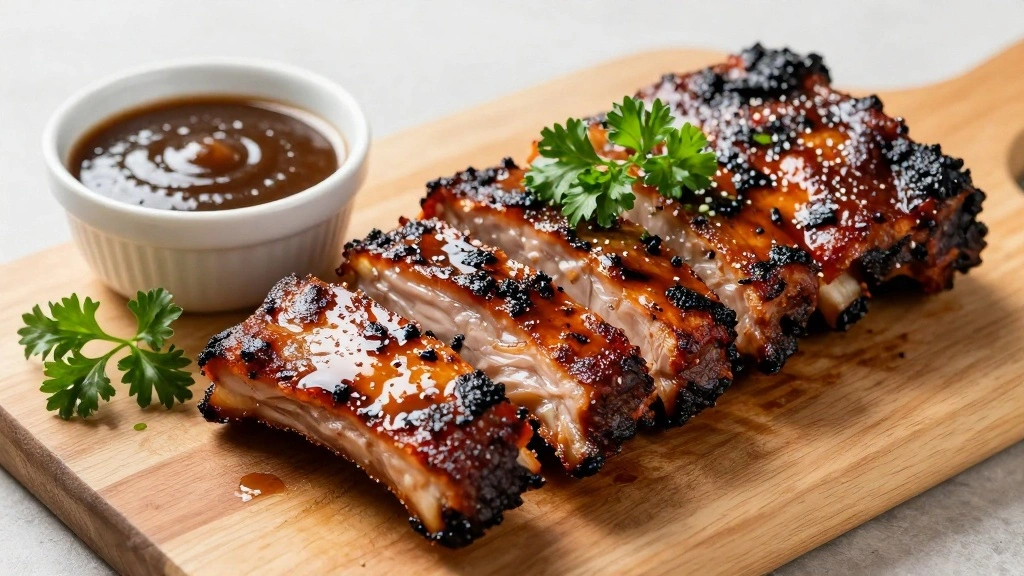
Transfer the ribs to a cutting board and let them rest for 10 minutes.
This resting period allows juices to redistribute, enhancing flavor.
Slice the ribs between the bones for serving.
Serve the ribs with extra sauce on the side for dipping.
Critical Timing and Temperature Guide
Smoking Process: Maintain a temperature of 225°F (107°C) throughout. Look for a mahogany color on the ribs and exposed bones. Avoid opening the smoker too frequently to prevent heat loss.
Sauce Application: Apply sauce every 30 minutes during the last hour. Ensure even coating to build flavor. Avoid over-saucing, which can lead to overly sweet ribs.
Final Cooking Phase: Cook until internal temperature reaches 190°F (88°C). Look for tenderness where meat pulls back from bones. Avoid overcooking, which can dry out the meat.
Pro Tips for the Ultimate BBQ
• Ingredient Selection: Choose fresh, high-quality pork ribs for the best flavor and texture. Look for ribs with even marbling and no discoloration.
• Preparation Secret: Removing the membrane on the back of the ribs ensures better seasoning penetration and tenderness.
• Temperature Management: Keep a consistent smoker temperature. Fluctuations can lead to uneven cooking and dry ribs.
• Texture Enhancement: Allow ribs to rest after cooking. This step locks in juices and enhances the final texture.
• Flavor Layering: Use a combination of dry rub and sauce to build complexity in flavors.
• Make-Ahead Strategies: Prepare the dry rub and sauce a day in advance. Store them in airtight containers to save time on cooking day.
• Restaurant-Quality Finishing Touches: Finish with a light glaze of sauce just before serving for a glossy appearance.
• Equipment Optimization: Utilize a water pan in the smoker to maintain moisture and stabilize temperature.
Troubleshooting Common Issues
• Ribs Too Dry: This can occur from overcooking or insufficient basting. Ensure proper smoking temperature and baste regularly.
• Flavors Unbalanced: Overuse of one ingredient can throw off balance. Taste your sauce and rub before applying and adjust seasonings as needed.
• Ribs Not Tender: Under-cooking is often the cause. Ensure internal temperature reaches 190°F (88°C) and consider extending cooking time if needed.
• Insufficient Smoke Flavor: Not using enough wood chips or opening the smoker too frequently can cause this. Use a good amount of wood and keep the smoker closed.
• Sauce Too Thick: Reduce sauce thickness by adjusting the honey or sugar content. If the sauce is too thick, thin it with a bit of apple cider vinegar.
Variations and Regional Differences
• Memphis Style: Focuses on a dry rub without sauce, emphasizing the meat's natural flavor. Often served with sauce on the side for dipping.
• Kansas City Style: Known for its thick, tomato-based sauce that's sweet and spicy. Typically, ribs are basted with sauce during cooking.
• Texas Style: Emphasizes a bold, peppery rub and uses beef ribs instead of pork. Smoking wood choice often includes mesquite for a robust flavor.
• Carolina Style: Features a vinegar-based sauce with a tangy, slightly spicy profile. Often uses a mustard-based sauce in South Carolina.
Food Science Behind the Recipe
• Maillard Reaction: This chemical reaction between amino acids and reducing sugars gives ribs their rich, brown crust.
• Collagen Breakdown: Slow cooking breaks down collagen in the meat, leading to tender ribs that fall off the bone.
• Smoke Penetration: Smoke particles adhere to the meat surface, imparting flavor through a process known as adsorption.
Frequently Asked Questions
What's the most common mistake people make when preparing BBQ ribs? Overcooking or cooking at too high a temperature, which can dry out the meat.
Can I use this recipe for beef ribs? Yes, but adjust cooking time as beef ribs may take longer due to their size.
How do I store leftover ribs? Wrap tightly in foil and refrigerate for up to 3 days, or freeze for longer storage.
What's the best way to reheat ribs? Reheat in a preheated oven at 250°F (121°C) until warmed through, about 30 minutes.
Can I make this recipe without a smoker? Yes, use a charcoal grill with wood chips for similar results. Maintain indirect heat and temperature.
Why is my sauce not sticking to the ribs? Ensure ribs are not too wet before applying sauce, and allow sauce to caramelize during cooking.
Is it necessary to rest ribs after cooking? Yes, resting helps redistribute juices for a more flavorful and tender result.
Serving and Presentation Guide
• Traditional Presentation: Serve ribs on a large platter, garnished with fresh parsley and lemon wedges.
• Casual Presentation: Arrange ribs on a wooden cutting board with extra sauce in a small bowl on the side.
• Family Style: Serve ribs on a large tray with sides like coleslaw, cornbread, and pickles.
• Individual Plates: Plate ribs with a portion of baked beans and a slice of cornbread for each guest.
Conclusion
With this guide, you're equipped to make BBQ ribs that rival those from any smokehouse.
The combination of tender meat, smoky aroma, and flavorful sauce is sure to delight your taste buds.
Don't hesitate to experiment with different wood chips and sauces to create your own signature ribs.
Fire up your smoker and enjoy the ultimate BBQ experience with family and friends.



These ribs sound amazing! I can almost smell them from here. What’s your secret for getting that smoky flavor just right?
Thanks, Ava! The secret to that perfect smoky flavor lies in two key things: using the right type of wood chips and maintaining a consistent low temperature while cooking. I usually go for hickory or applewood chips for a nice balance of sweetness and smokiness. Soak the chips for about 30 minutes before tossing them on the coals to create that delicious smoke. Happy grilling!
I tried making BBQ ribs once and accidentally used too much chili powder. Let’s just say it turned into a spicy adventure! Have you ever had a cooking mishap?
Did you know that the first barbecue competition in the U.S. was held in 1978? It’s funny how BBQ can bring people together over good food and friendly competition!