
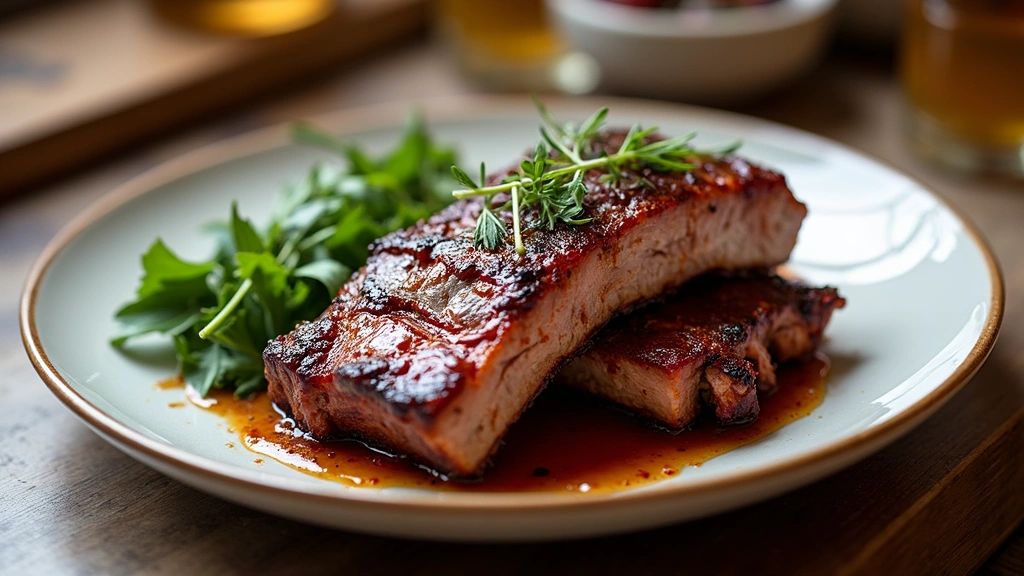
Fall-Off-The-Bone BBQ Ribs: The Ultimate Grilling Recipe
Fall-off-the-bone BBQ ribs are the epitome of comfort food, embodying the joys of outdoor cooking and shared meals.
The smoky aroma and sweet, tangy flavors create a mouthwatering experience that draws everyone to the table.
I fondly recall summer barbecues with family, where these ribs were the star of the show, leaving us all in delicious bliss.
Whether you’re firing up the grill for a weekend get-together or a cozy weeknight dinner, this recipe promises tender, flavorful ribs that will impress even the most discerning barbecue lovers.
The History and Cultural Significance
• Fall-off-the-bone BBQ ribs trace their origins to the American South, where they were originally created by pitmasters using slow-cooking techniques.
• The dish evolved over decades as regional styles developed, with variations influenced by local ingredients and traditions, eventually leading to the diverse flavors we enjoy today.
• In Southern culture, BBQ ribs traditionally appear at family reunions, summer picnics, and Fourth of July celebrations, symbolizing togetherness and community.
• While many variations exist across different regions, the authentic version maintains a focus on low and slow cooking that sets it apart from quick-cook imitations.
Recipe Overview
Nutritional Information (per serving)
You Might Also Like

Essential Equipment Guide
Charcoal or Gas Grill: This is the heart of the BBQ process, allowing for indirect heat cooking that makes ribs tender. Look for a grill with ample cooking space and adjustable vents to control temperature effectively. A smoker attachment can enhance the flavor with wood smoke.
Meat Thermometer: Essential for ensuring your ribs are cooked to perfection without overcooking. A digital probe thermometer with an instant-read feature is ideal for quick checks during cooking. Some models even have preset temperatures for different meats, making it easier to achieve the desired doneness.
Foil and Butcher Paper: These materials are crucial for wrapping the ribs during the cooking process to retain moisture and create a tender texture. Choose heavy-duty foil for durability, while butcher paper can add a subtle smoky flavor when wrapped before finishing on the grill.
Key Ingredients Explained
For Ribs:
• 2 lbs pork ribs, membrane removed – Choose high-quality, fresh ribs with a good amount of meat and marbling for tenderness and flavor. Look for ribs with a pinkish hue and avoid any that appear discolored or dry. If pork isn’t available, beef short ribs can be a delicious alternative but will have a different flavor profile.
• 1 cup BBQ sauce, homemade or store-bought – Opt for a sauce that balances sweetness and tanginess, ideally with a smoky flavor. If you prefer a healthier option, look for sauces that are low in sugar and free from artificial preservatives. You can also make your own by combining ketchup, brown sugar, vinegar, and spices for a personalized touch.
For Dry Rub:
• 2 tbsp brown sugar – This sweetener caramelizes during cooking, creating a beautiful crust and enhancing the flavors of the meat. Choose dark brown sugar for a richer flavor; it can be substituted with honey or maple syrup for a different sweetness.
• 1 tbsp smoked paprika – This spice provides a deep, smoky flavor that complements the meat beautifully. Ensure you have high-quality smoked paprika for the best results; you can replace it with regular paprika and a hint of liquid smoke if needed.
Preparation Methods
Membrane Removal: This technique involves removing the thin, tough membrane on the back of the ribs to ensure better flavor absorption and tenderness during cooking. Use a sharp knife to lift an edge of the membrane, then grasp it with a paper towel for a better grip. Removing this membrane allows the dry rub and smoke to penetrate the meat more effectively.
Wrapping Ribs: Wrapping ribs in foil or butcher paper during cooking helps to create a steaming effect that keeps the meat moist and tender. After the initial cooking phase, wrap the ribs tightly to prevent moisture loss. This method is essential for achieving that fall-off-the-bone texture.
Resting the Meat: Allowing the ribs to rest after cooking is crucial for redistributing juices back into the meat. Let the ribs sit covered for at least 10-15 minutes before serving. This step enhances the overall flavor and juiciness, making every bite more satisfying.
Step 1: Prepare Ingredients
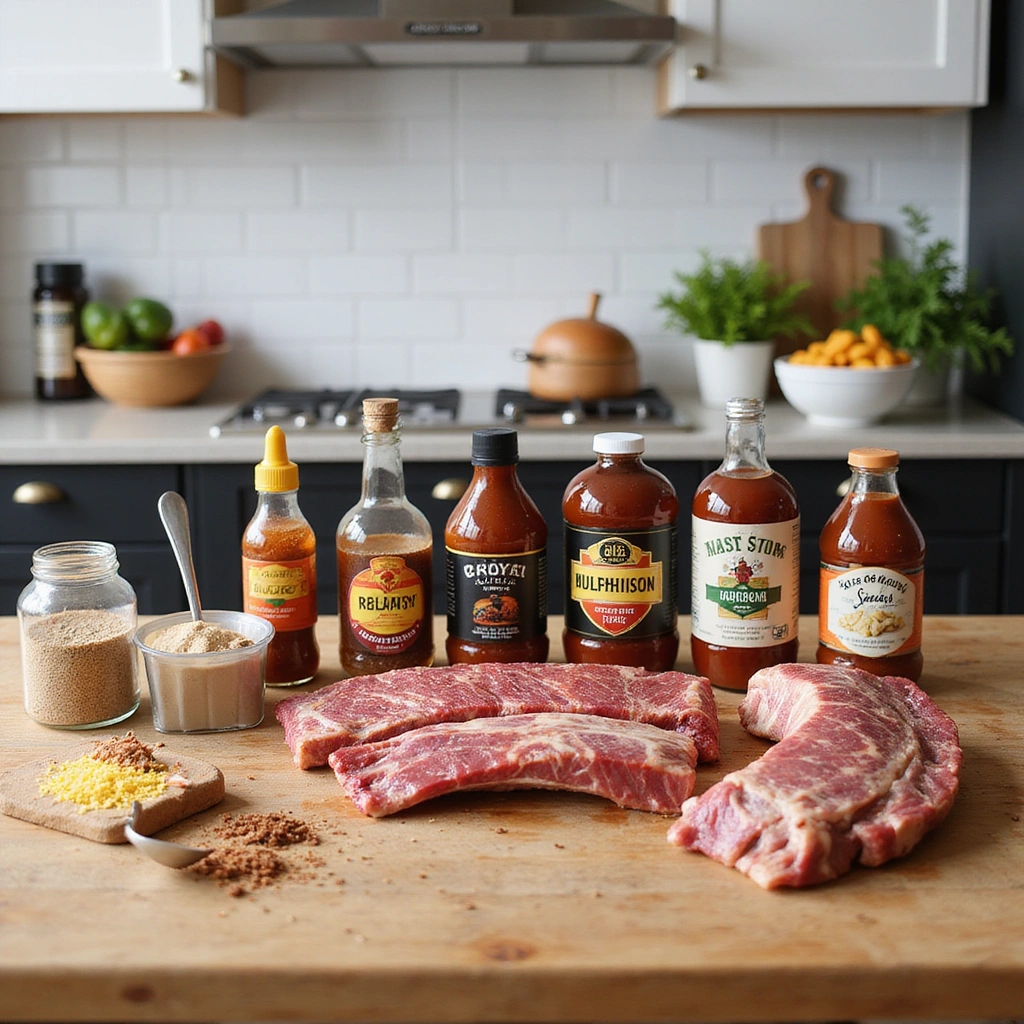
Gather all your ingredients before starting the cooking process.
Ensure that the ribs are thawed if they were previously frozen.
Measure out your spices for the dry rub and have your BBQ sauce ready.
This will streamline your cooking process and keep you organized.
Step 2: Remove the Membrane
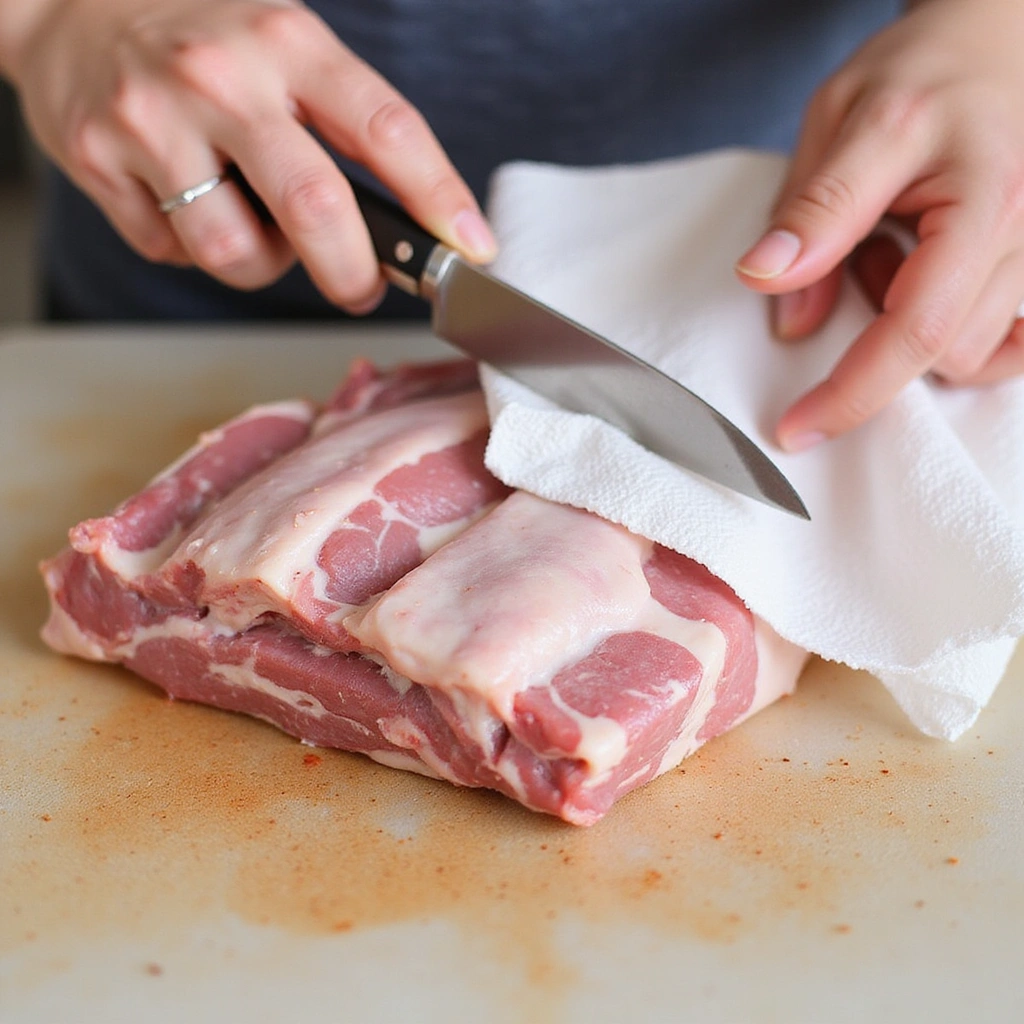
Place the ribs bone-side up on a clean cutting board.
Using a sharp knife, gently lift an edge of the membrane at one end of the ribs.
Grab the membrane with a paper towel for a better grip and pull it off in one smooth motion.
This step is crucial for ensuring the ribs absorb maximum flavor during cooking.
Step 3: Apply Dry Rub
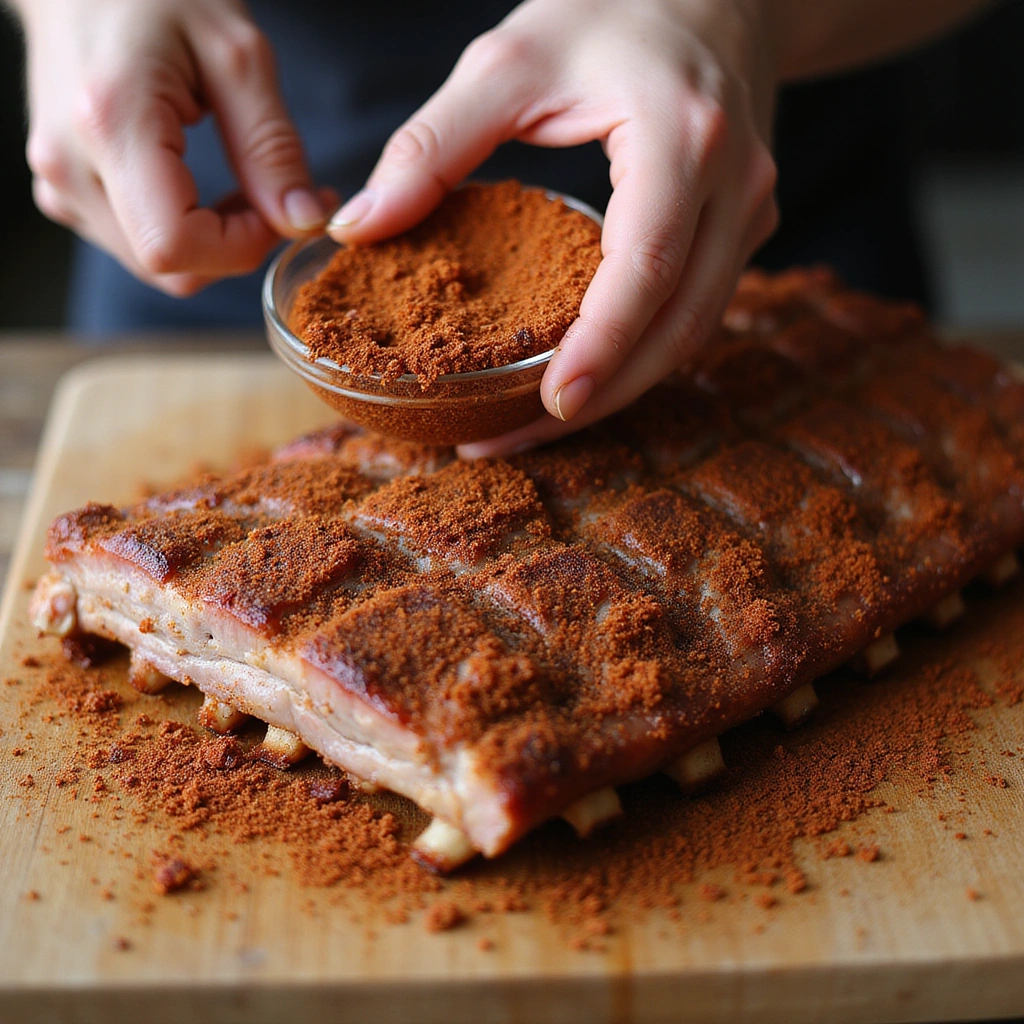
In a bowl, mix together all the dry rub ingredients until well combined.
Generously apply the dry rub all over the ribs, ensuring even coverage.
Massage the rub into the meat for maximum flavor infusion.
Let the ribs sit for at least 30 minutes to absorb the flavors.
Step 4: Preheat the Grill
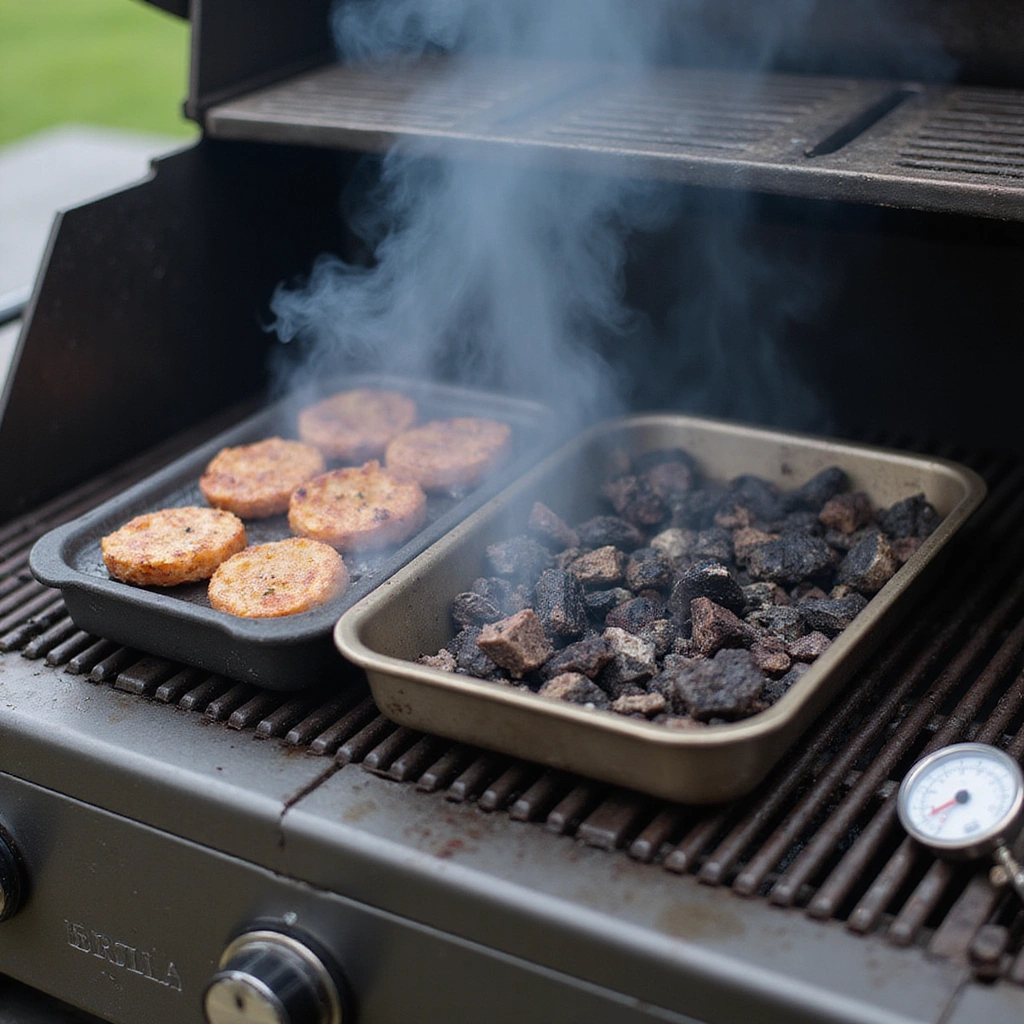
Prepare your grill for indirect cooking by preheating it to a temperature of 225°F (107°C).
If using charcoal, arrange the coals on one side for indirect heat, leaving the other side clear.
For gas grills, only light one side of the burners.
This setup is crucial for slow cooking the ribs evenly without burning.
Step 5: Place Ribs on the Grill
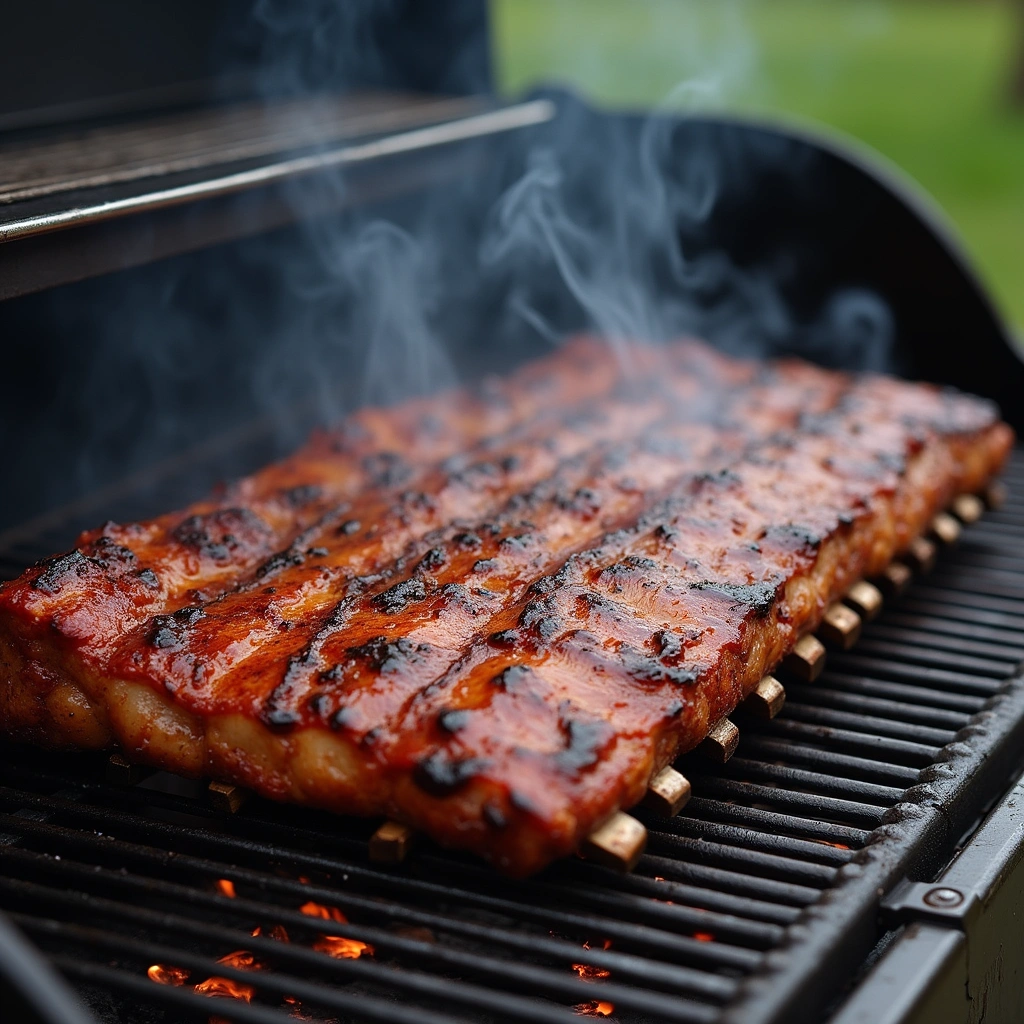
Once the grill is preheated, place the ribs on the cooler side of the grill, bone-side down.
Close the lid to maintain a consistent temperature.
Let the ribs cook undisturbed for about 2 hours to allow the smoke to infuse.
This slow cooking method gives the ribs their characteristic tenderness.
Step 6: Wrap Ribs
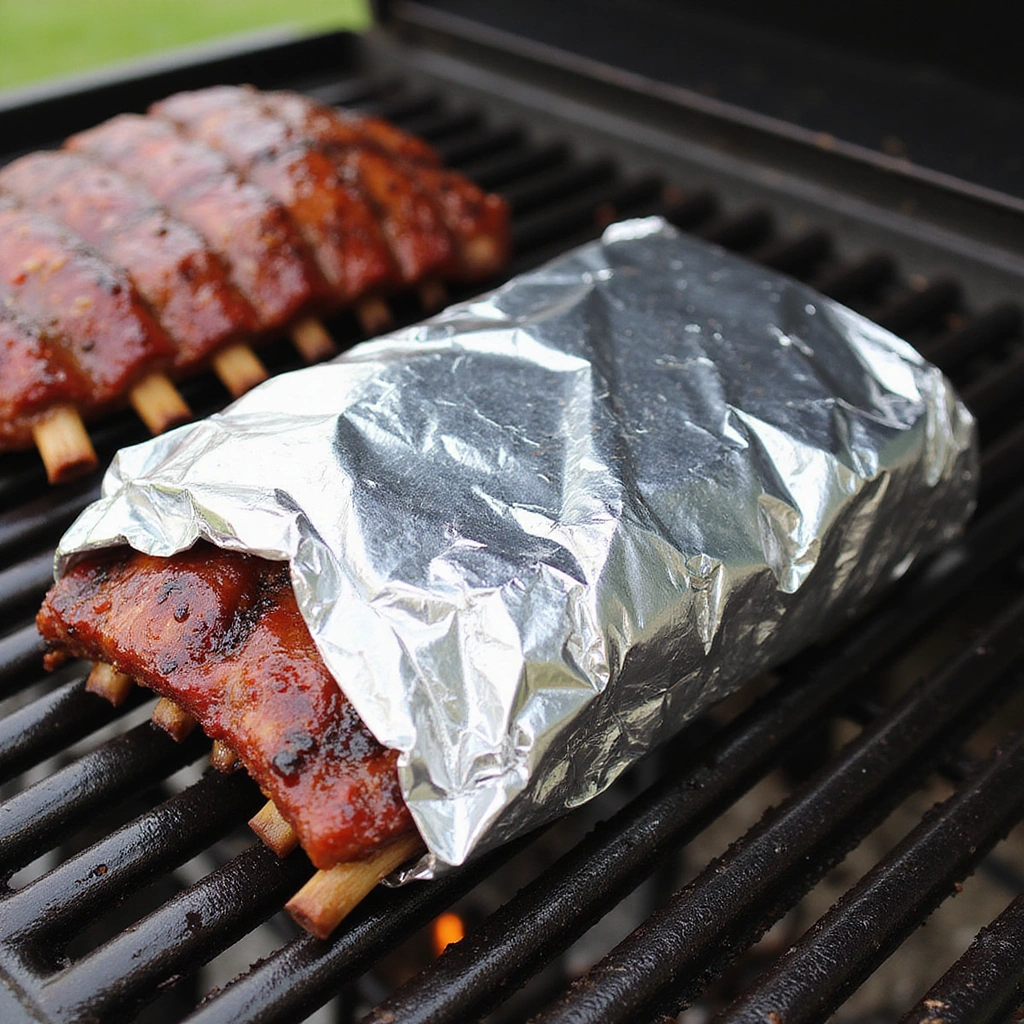
After 2 hours of cooking, remove the ribs from the grill and place them on a large sheet of heavy-duty foil.
Wrap them tightly, sealing in the moisture for the next phase of cooking.
Optionally, add a splash of apple juice inside the foil for added flavor.
This step ensures the ribs remain juicy and flavorful.
Step 7: Continue Cooking
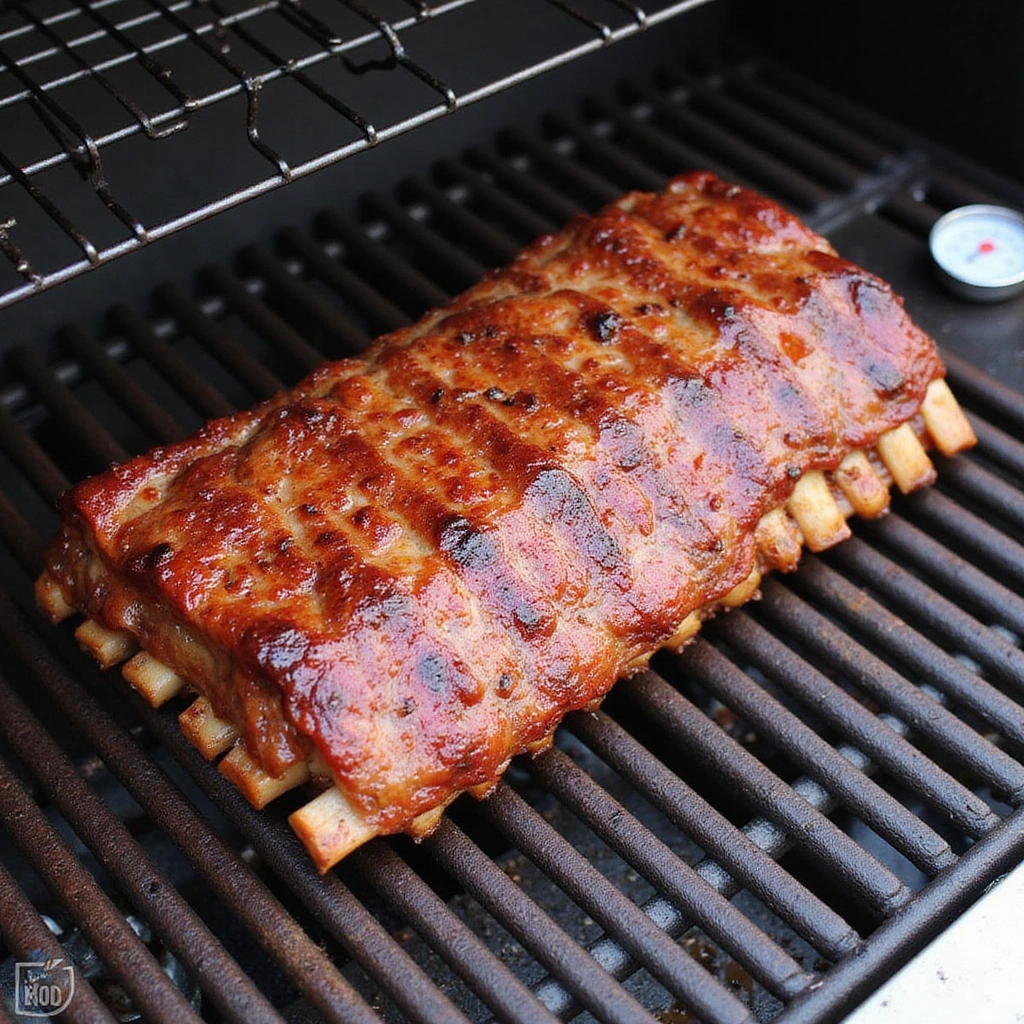
Return the wrapped ribs to the grill, making sure they are still on the indirect heat side.
Cook for an additional 1.5 to 2 hours, checking occasionally for consistent temperature.
The ribs are done when they reach an internal temperature of 190°F (88°C).
This slow cooking process is key for achieving that tender, fall-off-the-bone texture.
Step 8: Unwrap and Sauce
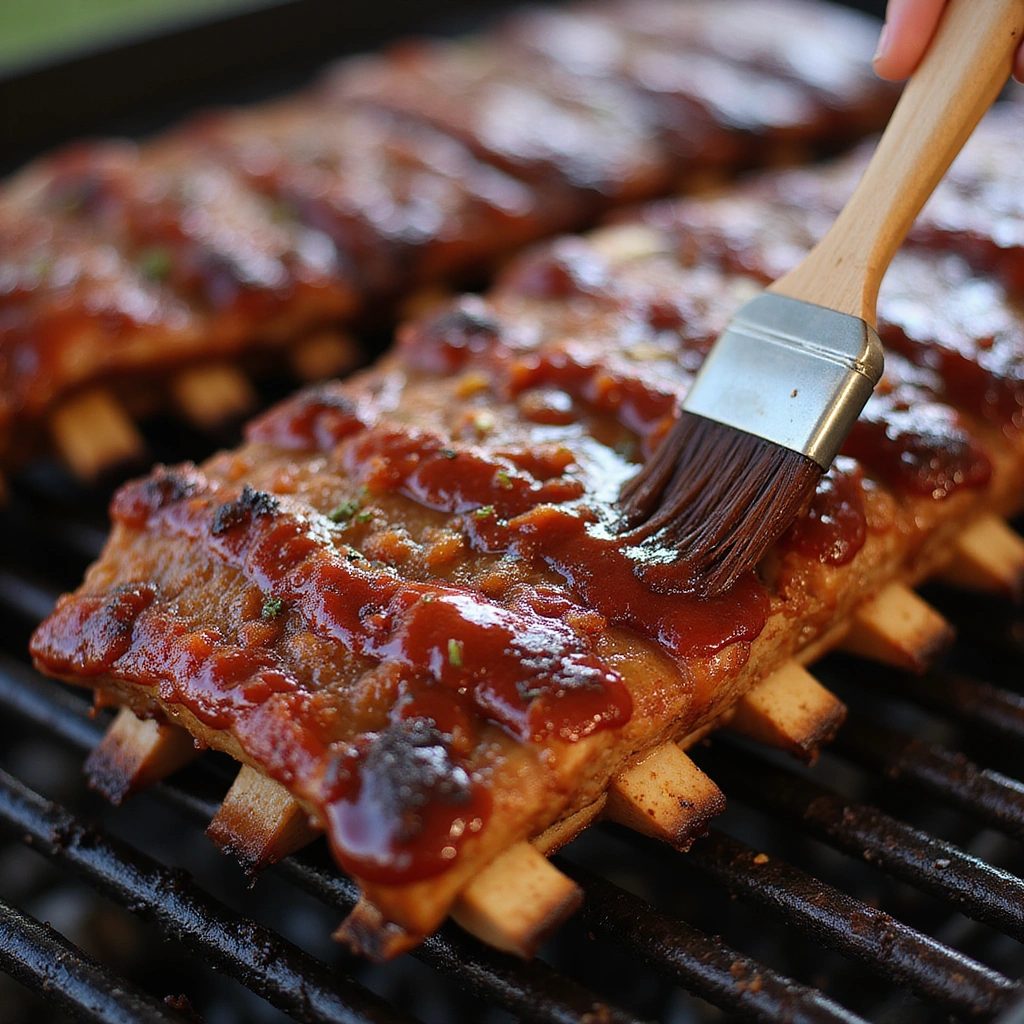
Carefully unwrap the ribs, allowing the steam to escape slowly.
Brush your favorite BBQ sauce generously over the ribs for the last 30 minutes of cooking.
Return the unwrapped ribs to the grill, bone-side down, to caramelize the sauce.
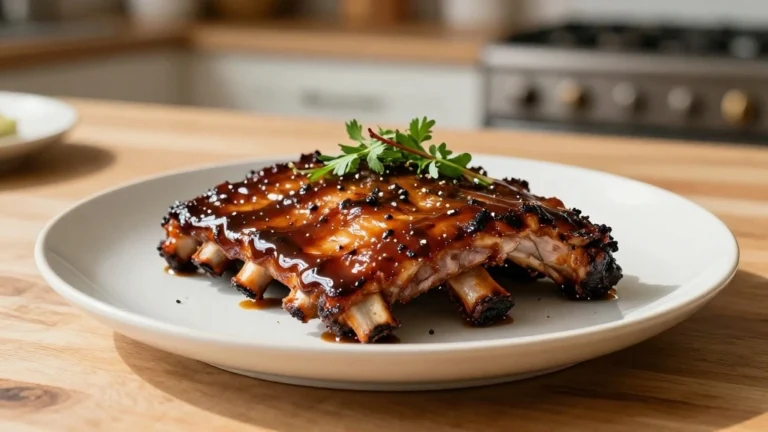
This final step enhances flavor and creates a beautiful glaze.
Step 9: Rest the Ribs
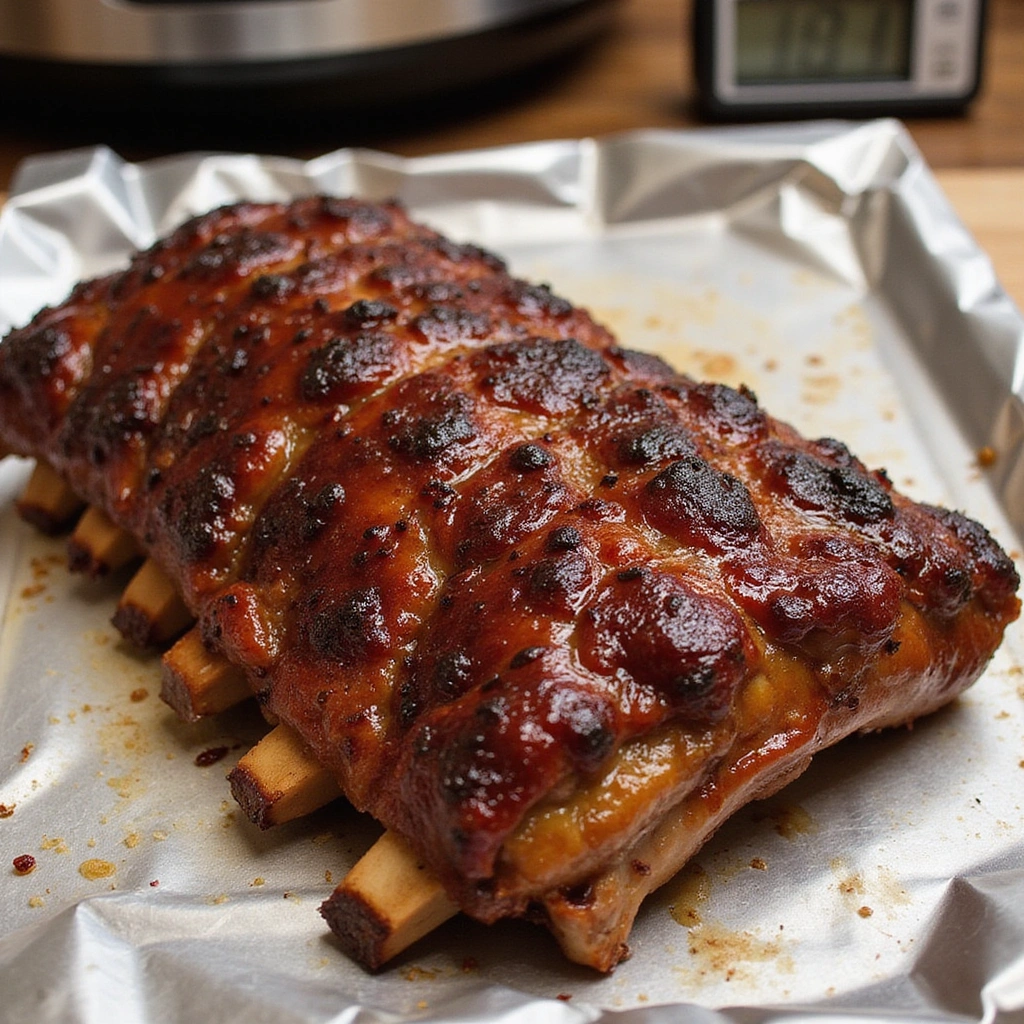
Once the ribs are finished cooking, remove them from the grill and let them rest for at least 10-15 minutes.
Cover them loosely with foil to keep warm during this resting period.
This allows the juices to redistribute, ensuring tender, juicy meat.
Cutting too soon can cause the juices to run out, leaving the meat dry.
Step 10: Serve and Enjoy
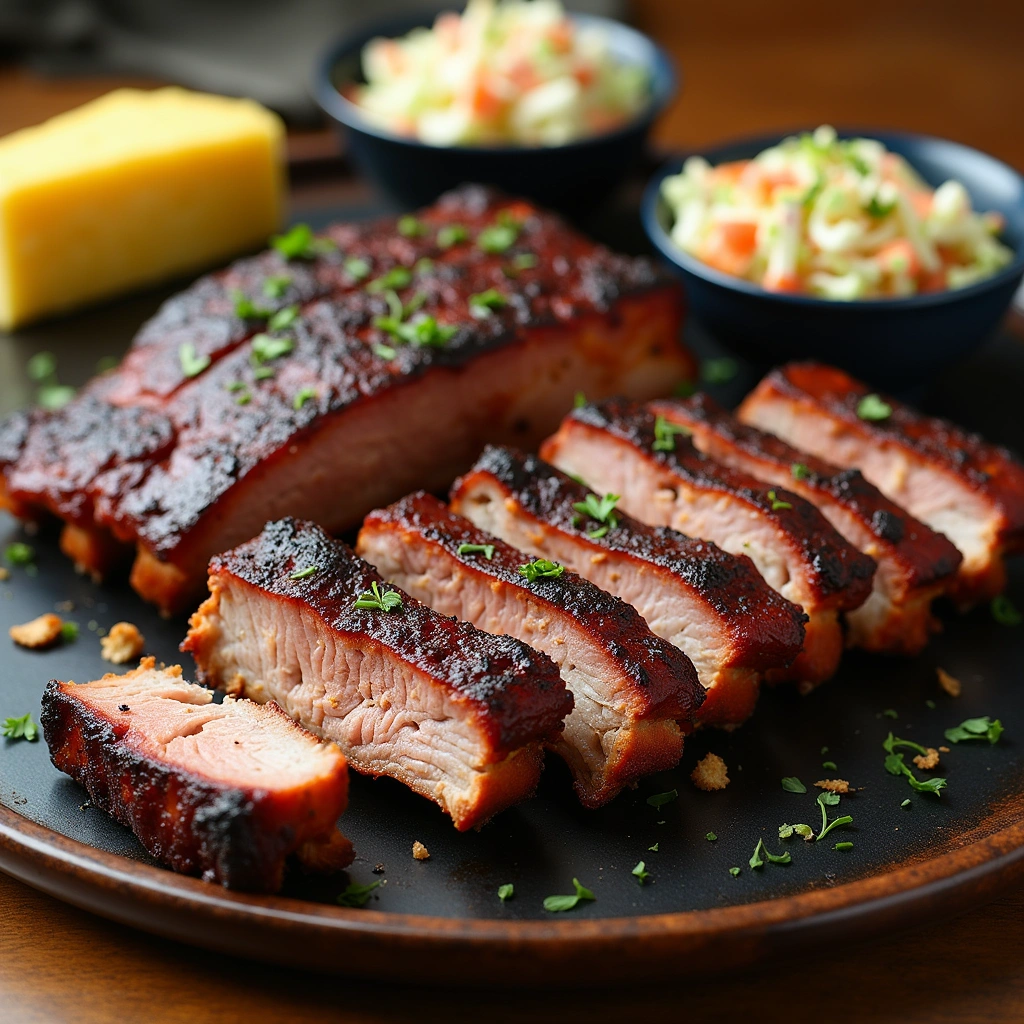
Slice the ribs between the bones and serve them on a platter.
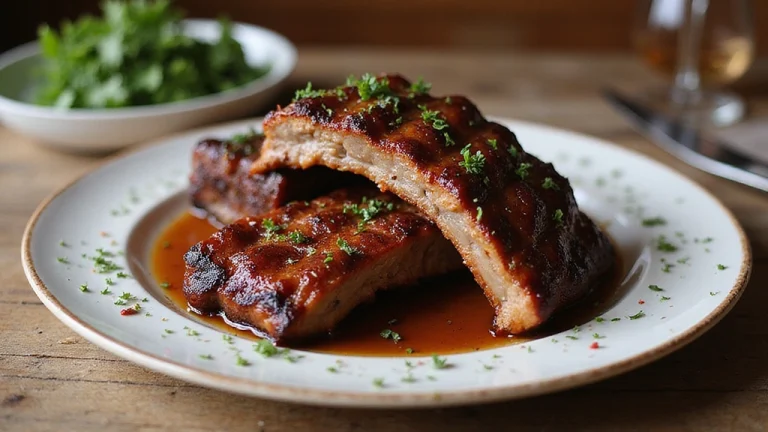
Garnish with fresh herbs or extra BBQ sauce for visual appeal.
Pair with classic sides like coleslaw or cornbread for a complete meal.
Enjoy the fruits of your labor with family and friends.
Critical Timing and Temperature Guide
Initial Cooking Time: For the first two hours, maintain a grill temperature of 225°F (107°C). Look for a consistent low heat to ensure even cooking without burning the meat.
Wrapping Ribs: After 2 hours, wrapping the ribs allows them to cook for an additional 1.5 to 2 hours at the same temperature. Ensure you check the internal temperature, aiming for 190°F (88°C) for optimal tenderness.
Resting Time: Allow the ribs to rest for 10-15 minutes after cooking. This step is crucial for maintaining moisture in the meat, preventing dryness when cutting.
Pro Tips for Fall-off-the-bone BBQ Ribs
• Ingredient Selection: Choose high-quality pork ribs with good marbling for the best flavor and tenderness.
• Preparation Secret: Consider brining the ribs overnight for added moisture and flavor before applying the dry rub.
• Temperature Management: Use a reliable grill thermometer to maintain consistent temperatures throughout the cooking process.
• Texture Enhancement: Try using a combination of dry rub and wet marinade for a layered texture that stands out.
• Flavor Layering: Incorporate different types of wood chips in the grill for unique smoke flavors.
• Make-Ahead Strategies: You can prepare the dry rub and sauce a day in advance to save time on grilling day.
• Restaurant-Quality Finishing Touches: Add a sprinkle of fresh herbs or sliced green onions as a garnish before serving.
• Equipment Optimization: If using a gas grill, let it heat up for at least 15 minutes before placing the ribs on for the best results.
Troubleshooting Common Issues
• Ribs Too Tough: This usually results from cooking at too high a temperature or not cooking long enough. Ensure you follow the low-and-slow method and check the internal temperature regularly.
• Flavor Too Bland: This can happen if the dry rub is not applied generously or if the sauce lacks seasoning. Taste your rub and sauce before cooking, and adjust as necessary.
• Burnt Outside, Raw Inside: This occurs when the grill temperature is too high. Always use indirect heat for ribs and check the temperature with a thermometer.
• Too Much Fat: If your ribs are excessively greasy, it may be due to using ribs with too much fat. Trim any excess fat before applying the rub to keep the dish balanced.
• Dry Ribs: This happens if the ribs are overcooked or not wrapped properly. Ensure you wrap the ribs during cooking to lock in moisture and check the cooking time closely.
Variations and Regional Differences
• Kansas City Style: Known for its thick, sweet sauce and a dry rub that includes brown sugar, this style often features pork ribs cooked over hickory wood. The sauce is applied generously throughout the cooking process, resulting in a sticky glaze.
• Texas Style: Typically focuses on the meat without much sauce, using a simple dry rub of salt and pepper. Ribs are often smoked over oak wood for a robust flavor, showcasing the natural taste of the meat.
• Memphis Style: Famous for its dry-rubbed ribs, this style uses a blend of spices and often serves the sauce on the side. The focus is on the meat’s flavor rather than a thick glaze.
• Modern Interpretations: Today, many chefs experiment with flavors, incorporating international spices or even using sous-vide techniques to enhance tenderness before finishing on the grill.
Food Science Behind the Recipe
• Maillard Reaction: This chemical reaction occurs when proteins and sugars in the meat are exposed to high heat, creating a rich, brown crust and complex flavors. Understanding this helps in achieving a perfect sear on the ribs.
• Collagen Breakdown: Slow cooking the ribs allows the collagen in the meat to break down into gelatin, which enhances the tenderness and juiciness. Cooking at lower temperatures for extended times is key to this process.
• Smoke Penetration: The moisture and fat in the ribs allow smoke to penetrate deeper while cooking. Using wood chips and maintaining humidity in the grill can improve smoke flavor absorption.
Frequently Asked Questions
What’s the most common mistake people make when preparing BBQ ribs? The top mistake is cooking at too high a temperature, leading to tough meat. Always use low, indirect heat for the best results.
Can I prepare components of this dish in advance? Yes, you can make the dry rub and BBQ sauce ahead of time, storing them in airtight containers in the refrigerator for up to a week.
How do I adapt this recipe for dietary restrictions? For gluten-free needs, ensure your BBQ sauce is gluten-free and opt for gluten-free breadcrumbs in any rub.
What’s the best way to store and reheat leftovers? Store ribs in an airtight container in the fridge for up to 3 days. To reheat, wrap them in foil and warm them in the oven at 250°F (121°C).
Can I freeze this dish? Yes, cooked ribs can be frozen for up to 3 months. Wrap them tightly in foil and place them in a freezer-safe bag.
What wine or beverages pair best with this dish? A bold red wine like Zinfandel or a hoppy IPA complements the smoky flavors of BBQ ribs beautifully.
How can I scale this recipe up for a crowd? Simply multiply the ingredients by the number of servings needed, ensuring your grill has enough space to accommodate all the ribs at once.
What side dishes complement this recipe best? Classic sides like coleslaw, cornbread, and baked beans pair wonderfully with BBQ ribs, enhancing the meal’s overall flavor profile.
How do professional chefs elevate this dish for restaurant service? Chefs often use high-quality ingredients, create unique flavor combinations in their sauces, and focus on presentation to make their dishes stand out.
Serving and Presentation Guide
• Traditional Presentation: Serve ribs on a large wooden platter, garnished with fresh herbs and a side of BBQ sauce for dipping. This rustic presentation appeals to the homestyle nature of BBQ.
• Modern Plating Ideas: Consider stacking the ribs vertically for a more contemporary look, accompanied by a smear of sauce on the plate and a sprinkle of microgreens.
• Accompaniment Suggestions: Enhance the meal with sides like creamy coleslaw, cornbread, or pickles to balance the rich flavors of the ribs.
• Special Occasion Presentation: For celebrations, serve the ribs on a tiered stand with decorative garnishes and small bowls of different sauces, creating an eye-catching display.
Conclusion
Fall-off-the-bone BBQ ribs are not just a meal; they are an experience that brings people together.
With the right techniques and ingredients, you can create a dish that will leave everyone craving more.
I hope you enjoy making these ribs as much as I do, sharing them with loved ones and creating lasting memories around the grill.


These ribs sound amazing! I can almost smell them cooking. What’s your secret for getting that smoky flavor?
Thank you! The smoky flavor comes from using wood chips or chunks, like hickory or mesquite, during the grilling process. Soaking them in water for about 30 minutes before adding them to the coals helps create that delicious smoke. Happy grilling!
I tried making ribs once and ended up with a sticky kitchen and a smoke alarm going off! But hey, at least I got a funny story out of it!
Sounds like quite the adventure, Kiet! Sometimes those cooking mishaps make the best memories. At least you have a great story to tell-just maybe keep the smoke alarm handy for the next round! 😉
Did you know that ribs have been around as a popular dish for centuries? It’s crazy to think how many different ways people have cooked them!
Absolutely, it’s fascinating how versatile ribs can be! From BBQ styles to different marinades and spices, there’s so much culinary history behind them. What’s your favorite way to enjoy ribs?