
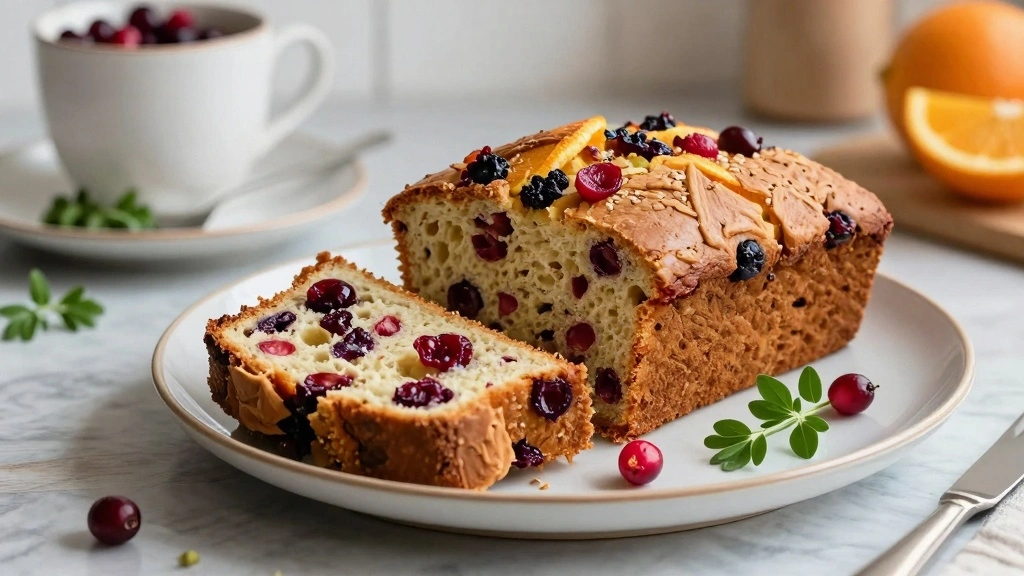
Delicious Cranberry Orange Bread: A Sweet Seasonal Delight
The aroma of freshly baked cranberry orange bread evokes the warmth and coziness of the holiday season.
With its perfect blend of tart cranberries and zesty orange, this bread offers a burst of flavor in every bite.
The subtle sweetness combined with the tang of citrus makes it a delightful treat for breakfast or a mid-day snack.
I first fell in love with this recipe on a cold winter day, finding comfort in its vibrant flavors.
Whether you’re looking to impress guests or simply enjoy a homemade delight, cranberry orange bread is your go-to seasonal treat.
The History and Cultural Significance
• Delicious Cranberry Orange traces its origins to New England in the 19th century, where it was originally created by settlers who embraced the abundance of local cranberries.
• The dish evolved over decades as sugar and citrus became more accessible, eventually becoming the beloved version we know today.
• In American culture, this dish traditionally appears at Thanksgiving and Christmas, symbolizing warmth and togetherness.
• While many variations exist across different regions, the authentic version maintains a moist, crumbly texture that sets it apart from imitations.
Recipe Overview
Nutritional Information (per serving)
You Might Also Like

Handmade Dubai Chocolate Bars: A Luxurious Treat – Nest Notion
Essential Equipment Guide
Loaf Pan: A standard loaf pan is essential for achieving the bread’s characteristic shape. Alternatives like a cake pan or muffin tin can alter the texture. Look for a pan with even heat distribution for the best results.
Microplane Zester: This tool is crucial for extracting the maximum zest from oranges without the bitter pith. A regular grater can work, but be cautious of zesting too deeply. Choose a zester with a comfortable handle and sharp blades.
Mixing Bowls: Using properly sized mixing bowls helps in combining ingredients without spilling. Metal bowls can keep ingredients cooler, which is beneficial for certain baking techniques. Opt for nesting bowls to save space.
Ingredients
For the Base
|
|
| Amount | Ingredient | Notes |
|---|---|---|
| 2 cups | all-purpose flour | sifted for light texture |
| 1 cup | granulated sugar | adds sweetness |
| 1 1/2 teaspoons | baking powder | leavening agent |
| 1/2 teaspoon | baking soda | aids rising |
| 1/2 teaspoon | salt | enhances flavor |
Liquids
| Amount | Ingredient | Notes |
|---|---|---|
| 1 cup | fresh orange juice | adds moisture and citrus flavor |
| 1 tablespoon | orange zest | provides aromatic oils |
| 1 large | egg | binds ingredients |
Add-ins
| Amount | Ingredient | Notes |
|---|---|---|
| 1 1/2 cups | fresh cranberries | tartness and color |
| 1/2 cup | unsalted butter | melted, adds richness |
Preparation Methods
Creaming Method: This technique involves beating butter and sugar together until light and fluffy, which incorporates air into the mixture. This is crucial for a tender crumb in the bread. Use a paddle attachment on a mixer for best results.
Folding: Gently folding in the cranberries and orange zest ensures even distribution without deflating the batter. Use a spatula and fold with a sweeping motion to maintain batter volume.
Zesting: Proper zesting extracts flavorful oils from the orange peel without the bitter white pith. Hold the orange steady and gently rub it against the zester, rotating as you go.
Step 1: Preheat Oven
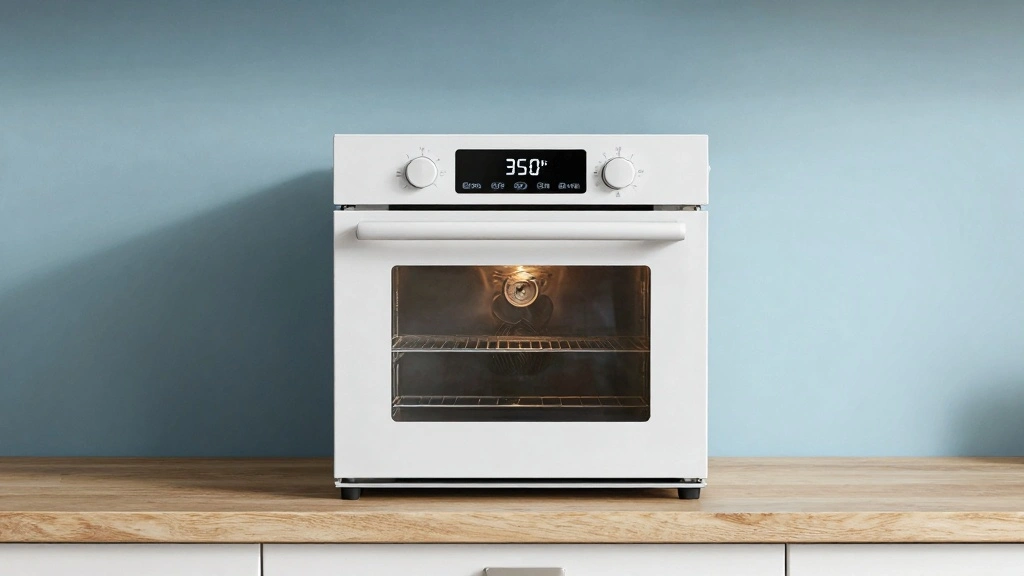
Preheat your oven to 350°F (175°C).
Ensure the oven rack is in the middle position for even baking.
Check your oven temperature with an oven thermometer for accuracy.
Preheating is essential for proper dough rise.
Step 2: Prepare the Loaf Pan
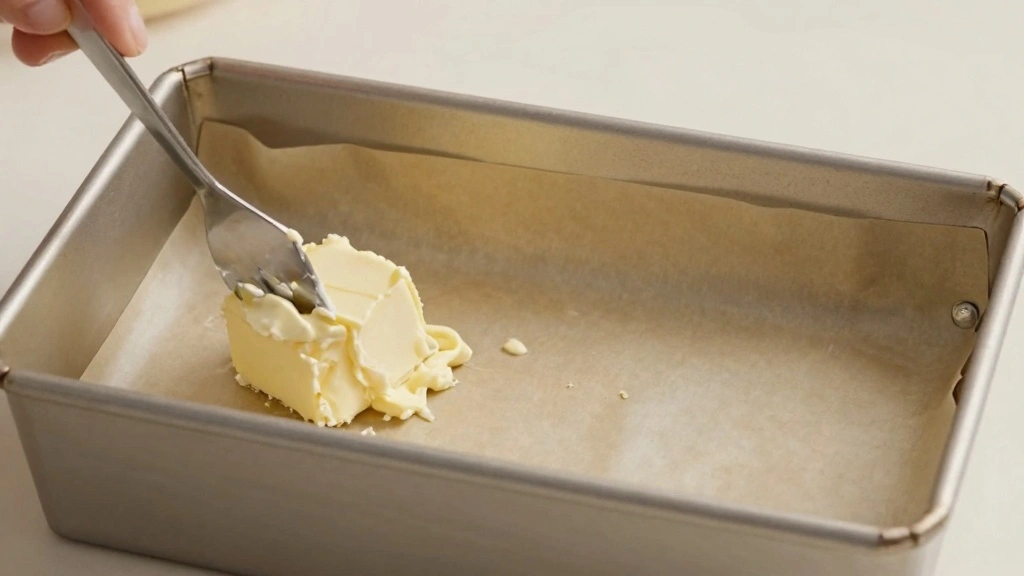
Grease a 9x5-inch loaf pan with butter or non-stick spray.
Line the bottom with parchment paper for easy release.
Ensure the sides are evenly coated to prevent sticking.
Proper preparation ensures a clean, easy removal of the bread.
Step 3: Mix Dry Ingredients
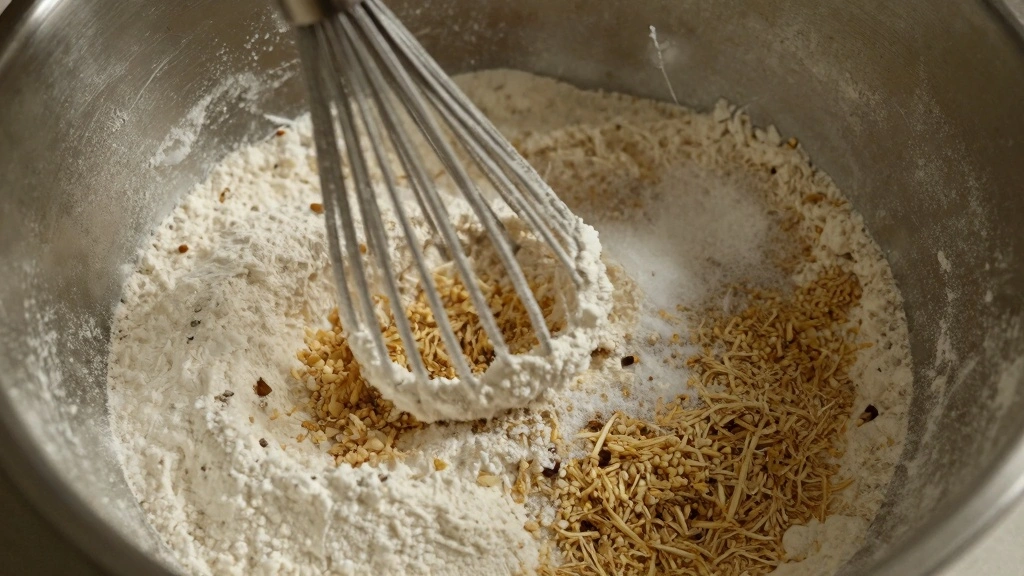
In a large mixing bowl, combine flour, sugar, baking powder, baking soda, and salt.
Use a whisk to thoroughly combine the dry ingredients.
Look for a uniform mixture with no clumps.
Proper mixing ensures even distribution of leavening agents.
Step 4: Combine Wet Ingredients
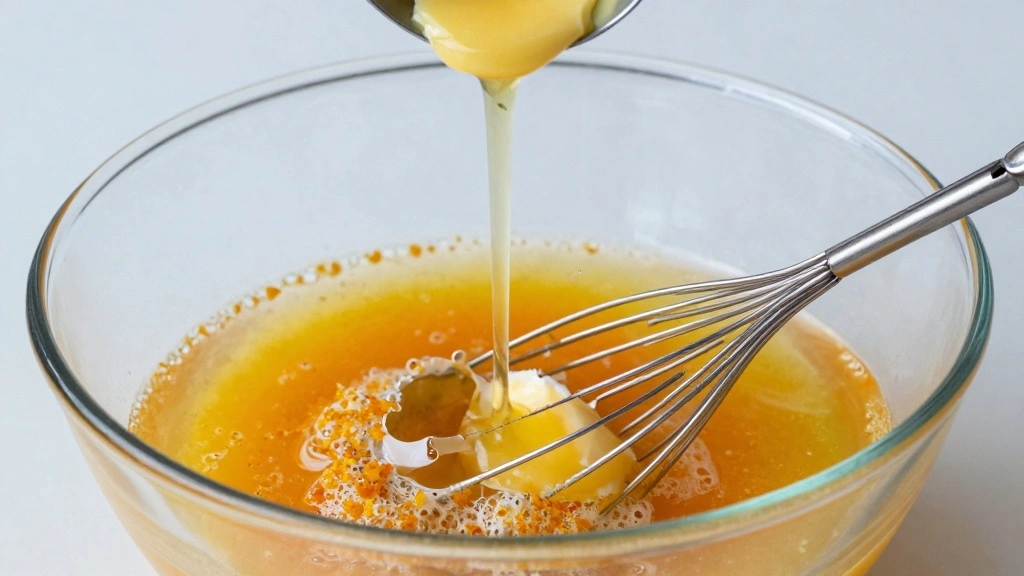
In a separate bowl, whisk together orange juice, orange zest, and the egg.
Add the melted butter gradually, stirring continuously.
Ensure the wet mixture is smooth and well combined.
This step integrates flavors and moisture evenly.
Step 5: Combine Wet and Dry Ingredients
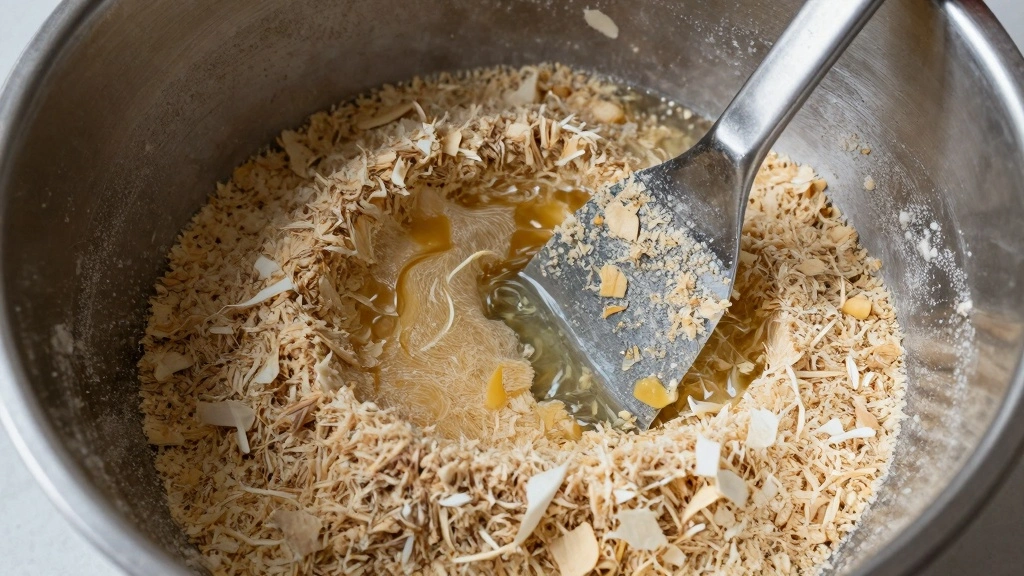
Make a well in the center of the dry ingredients.
Pour the wet ingredients into the well.
Gently fold the mixture using a spatula until just combined.
Avoid over-mixing to keep the bread tender.
Step 6: Fold in Cranberries
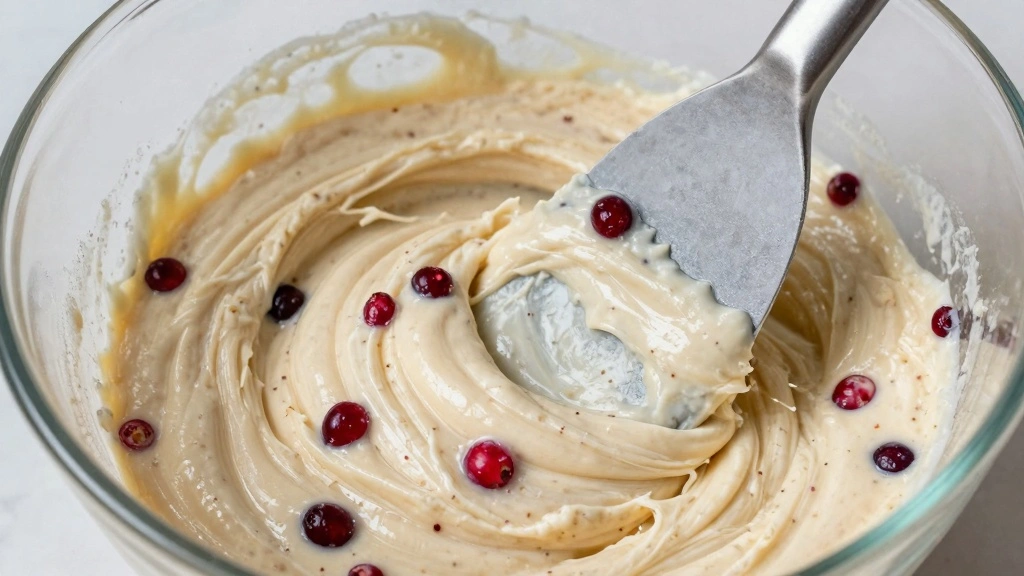
Add the cranberries to the batter.
Carefully fold them in using a gentle motion.
Ensure the cranberries are evenly distributed throughout the batter.
This step ensures a balanced texture and flavor in every slice.
Step 7: Pour Batter into Pan
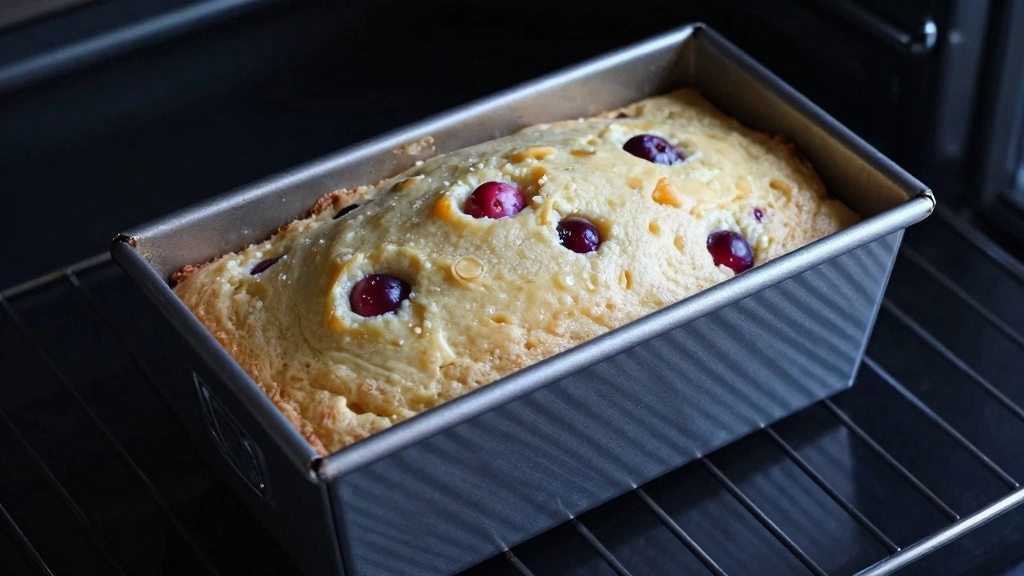
Pour the batter into the prepared loaf pan.
Smooth the top with a spatula for even baking.
Tap the pan gently on the counter to settle the batter.
Proper leveling prevents uneven baking.
Step 8: Bake the Bread
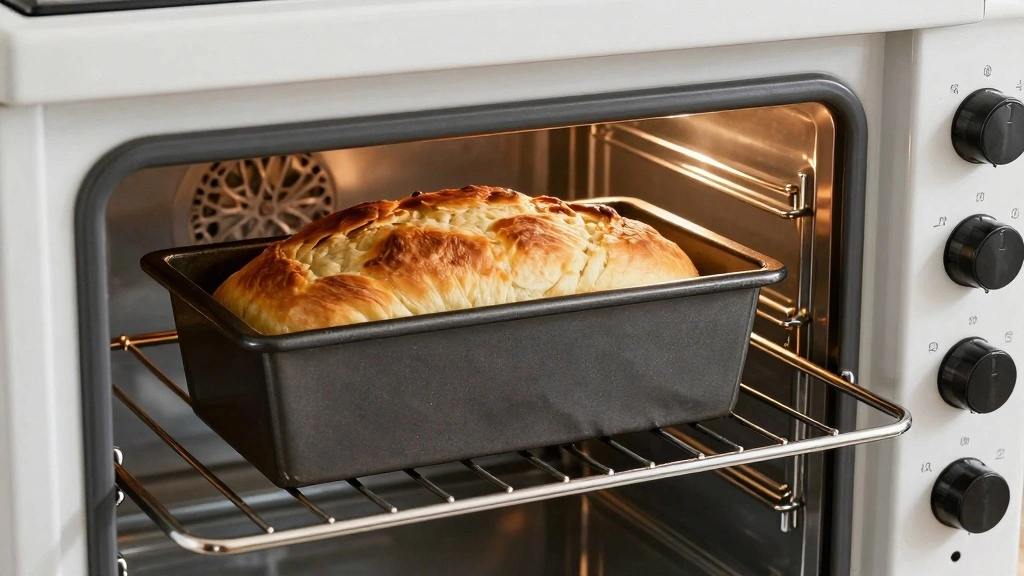
Place the pan in the preheated oven.
Bake for 60 minutes or until a toothpick inserted in the center comes out clean.
Look for a golden brown top as a visual indicator.
Baking at the right temperature ensures a moist interior.
Step 9: Cool the Bread
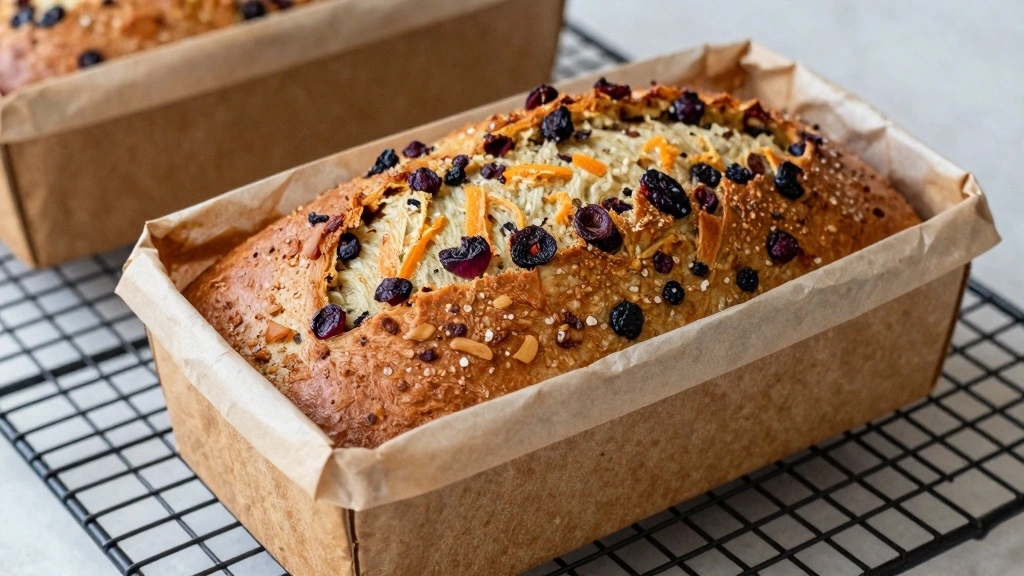
Remove the pan from the oven and place it on a wire rack.
Allow the bread to cool in the pan for 10 minutes.
Gently lift the bread out using the parchment paper.
Cooling on a rack prevents sogginess and helps set the texture.
Step 10: Slice and Serve
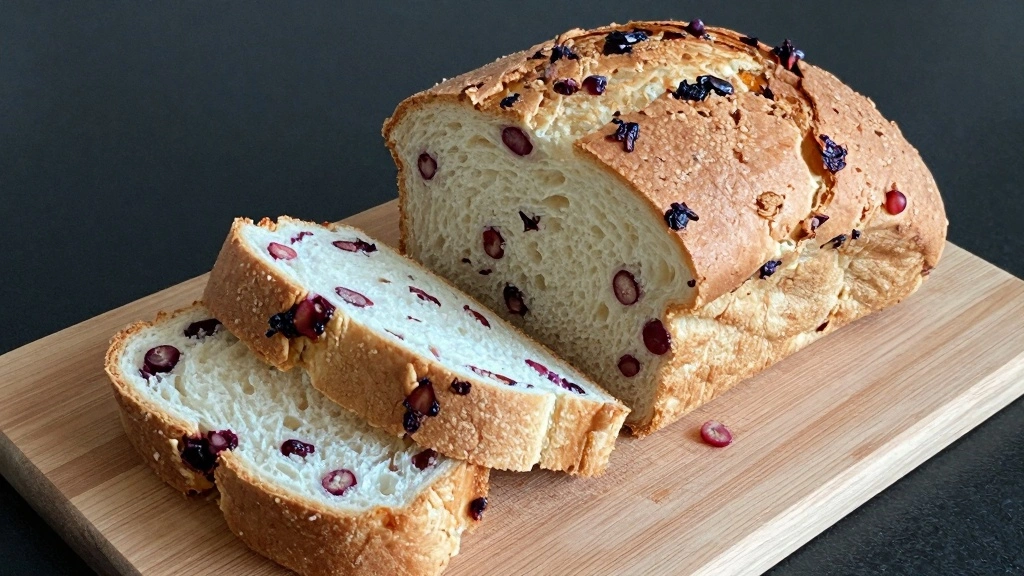
Once cooled, slice the bread with a serrated knife.
Serve slices warm or at room temperature.
For best flavor, enjoy within a few days of baking.
Slicing properly ensures neat, even pieces.
Delicious Cranberry Orange Bread: A Sweet Seasonal Delight
Ingredients
Method
- Preheat your oven to 350°F (175°C). Ensure the oven rack is in the middle position for even baking. Check your oven temperature with an oven thermometer for accuracy.
- Grease a 9x5-inch loaf pan with butter or non-stick spray. Line the bottom with parchment paper for easy release. Ensure the sides are evenly coated to prevent sticking.
- In a large mixing bowl, combine flour, sugar, baking powder, baking soda, and salt. Use a whisk to thoroughly combine the dry ingredients. Look for a uniform mixture with no clumps.
- In a separate bowl, whisk together orange juice, orange zest, and the egg. Add the melted butter gradually, stirring continuously. Ensure the wet mixture is smooth and well combined.
- Make a well in the center of the dry ingredients. Pour the wet ingredients into the well. Gently fold the mixture using a spatula until just combined. Avoid over-mixing to keep the bread tender.
- Add the cranberries to the batter. Carefully fold them in using a gentle motion. Ensure the cranberries are evenly distributed throughout the batter.
- Pour the batter into the prepared loaf pan. Smooth the top with a spatula for even baking. Tap the pan gently on the counter to settle the batter.
- Place the pan in the preheated oven. Bake for 60 minutes or until a toothpick inserted in the center comes out clean. Look for a golden brown top as a visual indicator.
- Remove the pan from the oven and place it on a wire rack. Allow the bread to cool in the pan for 10 minutes. Gently lift the bread out using the parchment paper. Cooling on a rack prevents sogginess and helps set the texture.
- Once cooled, slice the bread with a serrated knife. Serve slices warm or at room temperature. For best flavor, enjoy within a few days of baking.
Nutrition
Critical Timing and Temperature Guide
Baking: Bake at 350°F for 60 minutes. The top should be golden brown, and a toothpick should come out clean. Avoid opening the oven frequently, as this can lead to uneven baking.
Cooling: Cool in the pan for 10 minutes before transferring to a rack. This helps the bread set and makes it easier to remove from the pan. Avoid cutting too soon, as it can result in a crumbly texture.
Ingredient Temperature: Use room temperature eggs and melted butter. Cold ingredients can lead to a dense batter and uneven texture.
Pro Tips for Delicious Cranberry Orange
• Ingredient Selection: Choose fresh, firm cranberries and organic oranges, as their flavors are more pronounced and vibrant.
• Preparation Secret: Toast the cranberries lightly in an oven before adding them to the batter to enhance their natural sweetness.
• Temperature Management: Ensuring all ingredients are at room temperature helps achieve a uniform texture.
• Texture Enhancement: Sift the flour to aerate it, resulting in a lighter crumb.
• Flavor Layering: Add a pinch of cinnamon or nutmeg to the dry ingredients for a subtle spice that complements the citrus.
• Make-Ahead Strategies: The bread can be made a day in advance and stored in an airtight container to retain moisture.
• Restaurant-Quality Finishing Touches: Brush the top of the bread with a light orange glaze right after baking for added shine and flavor.
• Equipment Optimization: Use a convection setting if available for more even heat distribution, reducing baking time by about 10%.
Troubleshooting Common Issues
• Dense Texture: Over-mixing the batter can lead to a dense texture. Mix until just combined and fold in add-ins gently.
• Sunken Top: This can occur if the batter is too wet or if the oven door is opened too frequently. Ensure precise measurements and avoid unnecessary oven peeking.
• Uneven Baking: If the loaf is cooked on the outside but raw inside, it may be due to incorrect oven temperature. Use an oven thermometer to verify accuracy.
• Flavors Unbalanced: If the orange flavor is too weak, ensure fresh zest is used and consider adding a bit more orange juice.
• Cranberries Sinking: Coat cranberries in flour before folding them into the batter to help distribute them evenly.
• Dry Texture: If the bread is dry, it may be over-baked. Check for doneness 5 minutes before the suggested bake time ends.
Variations and Regional Differences
• Southern Style: This version uses pecans and a touch of vanilla for a richer flavor, reflecting Southern hospitality and bounty.
• British Tea Loaf: A denser, less sweet version often served with afternoon tea, featuring dried cranberries and a hint of Earl Grey.
• Italian Festive Bread: Incorporates ricotta cheese and pine nuts, giving it a creamy texture and a Mediterranean twist.
• French Inspired: Uses candied orange peel and a splash of Grand Marnier for a sophisticated flavor profile.
Food Science Behind the Recipe
• Leavening Agents: Baking powder and baking soda react with the acidic orange juice to create carbon dioxide, which helps the bread rise.
• Maillard Reaction: This chemical reaction between amino acids and reducing sugars gives the bread its golden-brown crust and complex flavors.
• Emulsification: The egg and melted butter in the batter create an emulsion that helps in achieving a smooth and cohesive texture.
Frequently Asked Questions
What's the most common mistake people make when preparing cranberry orange bread? Over-mixing the batter is a common mistake that can result in a dense texture. Mix just until ingredients are combined.
Can I use frozen cranberries instead of fresh ones? Yes, you can use frozen cranberries. Do not thaw them before adding to the batter to prevent excess moisture.
How do I store leftover cranberry orange bread? Store it in an airtight container at room temperature for up to three days or freeze for longer storage.
Can I make this recipe gluten-free? Substitute all-purpose flour with a gluten-free baking mix that includes xanthan gum for similar results.
Is it possible to reduce the sugar content? Yes, you can reduce sugar by up to 1/4 cup, though it may alter the sweetness slightly.
What can I use as an egg substitute? Use a flaxseed egg (1 tablespoon flaxseed meal + 2.5 tablespoons water) as a vegan alternative.
How do I prevent the bread from sticking to the pan? Ensure the pan is well-greased and lined with parchment paper for easy removal.
Serving and Presentation Guide
• Traditional Presentation: Serve the bread on a wooden board, sliced, with a side of softened butter or cream cheese.
• Elegant Tea Setting: Present slices on a tiered cake stand, garnished with fresh cranberries and orange slices.
• Brunch Buffet: Arrange slices on a platter with a dusting of powdered sugar and a drizzle of orange glaze.
• Festive Touch: Wrap slices individually in parchment paper tied with twine for a charming, gift-like presentation.
Conclusion
Cranberry orange bread is a delightful blend of flavors that brings joy with every slice.
Its versatility makes it perfect for any occasion, whether as a breakfast treat or a holiday dessert.
I hope this guide inspires you to try your hand at making this delicious bread and share it with loved ones.

This cranberry orange bread looks amazing! I love how the flavors come together, and it reminds me of the time I baked with my grandma during the holidays. Do you think I could add some nuts for extra crunch?
I tried making a similar recipe last year, and let’s just say my kitchen looked like a fruit explosion! But hey, at least the bread was tasty. Why did the cranberry go to the party? Because it heard it was going to be a jam!