

How to Make the Ultimate Crockpot Beef Stew: Hearty and Delicious
There’s something timeless about a hearty beef stew that transports us back to cozy family gatherings.
The rich, savory flavors meld together in a way that warms the soul and pleases the palate.
This ultimate crockpot beef stew is a symphony of tender beef, robust vegetables, and aromatic herbs.
Perfect for a chilly day, it fills your home with an inviting aroma that’s hard to resist.
Whether you’re a seasoned cook or a beginner, this recipe offers an easy yet rewarding culinary experience.
The History and Cultural Significance
• The ultimate crockpot beef stew traces its origins to medieval Europe, where it was originally created by resourceful cooks needing to use every part of an animal.
• The dish evolved over decades as new spices and vegetables were introduced to Europe, eventually becoming the beloved version we know today.
• In many cultures, this dish traditionally appears at family gatherings, symbolizing warmth and togetherness.
• While many variations exist across different regions, the authentic version maintains a hearty and rustic characteristic that sets it apart from imitations.
Recipe Overview
Nutritional Information (per serving)
Essential Equipment Guide
Crockpot: Essential for slow cooking, which allows flavors to meld over time. Alternatives include a Dutch oven or an electric pressure cooker with a slow-cook option. Look for a model with a timer and a ‘keep warm’ feature.
Sharp Knife: A sharp knife is crucial for cutting vegetables and meat evenly. A chef’s knife is ideal, but a good-quality utility knife can also work.
Wooden Spoon: Useful for stirring ingredients without scratching the crockpot’s surface. Silicon or rubber spatulas can be used as alternatives.
Ingredients
For the Base
|
|
| Amount | Ingredient | Notes |
|---|---|---|
| 2 pounds | beef chuck | cut into 1-inch cubes |
| 3 tablespoons | all-purpose flour | for coating beef |
| 2 tablespoons | olive oil | for browning beef |
Vegetables
| Amount | Ingredient | Notes |
|---|---|---|
| 4 medium | carrots | peeled and sliced |
| 3 medium | potatoes | peeled and cubed |
| 2 stalks | celery | sliced |
| 1 large | onion | chopped |
Seasonings
| Amount | Ingredient | Notes |
|---|---|---|
| 2 cloves | garlic | minced |
| 1 teaspoon | dried thyme | adds herbal note |
| 1 teaspoon | black pepper | freshly ground |
| 2 teaspoons | salt | to taste |
For the Sauce
| Amount | Ingredient | Notes |
|---|---|---|
| 4 cups | beef broth | rich flavor base |
| 2 tablespoons | tomato paste | adds depth |
| 1 tablespoon | Worcestershire sauce | adds umami |
Preparation Methods
Browning the Beef: Browning meat before slow cooking enhances its flavor by creating complex, savory flavors through the Maillard reaction. Ensure the beef is dry before coating with flour, and use high heat for a good sear.
Layering Ingredients: Properly layering ingredients in the crockpot ensures even cooking. Start with root vegetables at the bottom, followed by meat and other vegetables, allowing the juices to flavor everything as they trickle down.
Deglazing: This involves adding liquid to a pan to lift the flavorful browned bits. After browning the beef, deglaze the pan with a bit of beef broth to capture all the flavor for the stew.
Step 1: Prepare Ingredients

Begin by cutting the beef into 1-inch cubes.
Peel and slice the carrots and potatoes into even pieces.
Chop the celery and onion, then mince the garlic.
Ensure all ingredients are prepared before starting the cooking process.
Step 2: Coat the Beef
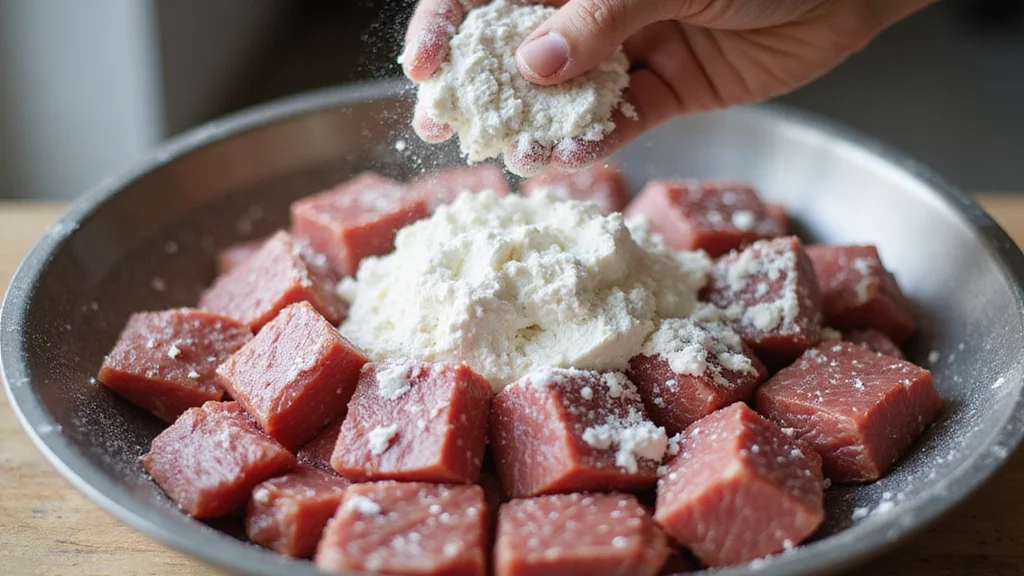
Place the beef cubes in a bowl and sprinkle with flour.
Toss the beef until evenly coated with flour.
This step helps thicken the stew as it cooks.
Set aside the coated beef for browning.
Step 3: Brown the Beef
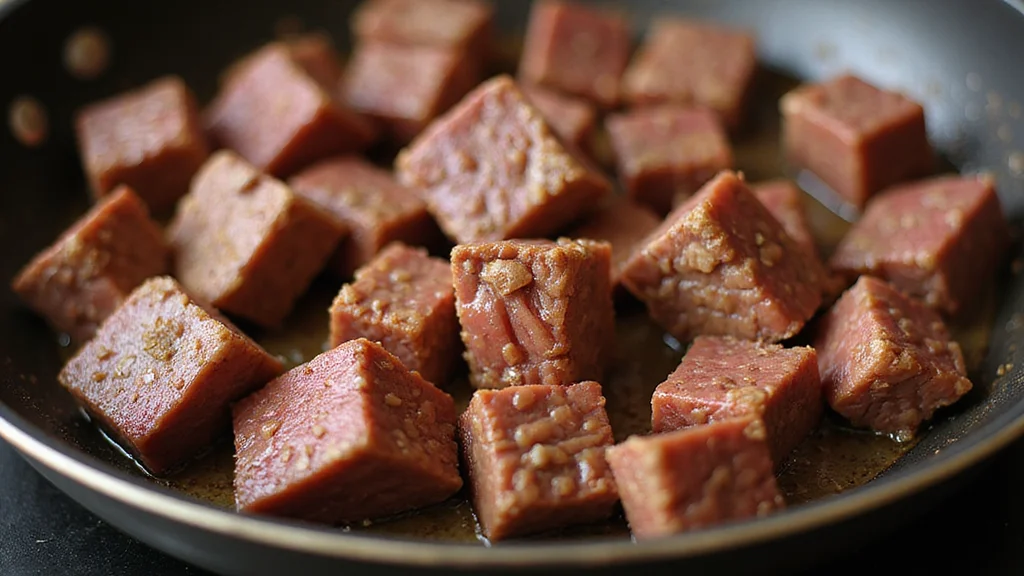
Heat olive oil in a skillet over medium-high heat.
Add the beef cubes in batches, avoiding overcrowding.
Brown all sides of the beef to a deep golden color.
Transfer the browned beef to the crockpot.
Step 4: Deglaze the Pan
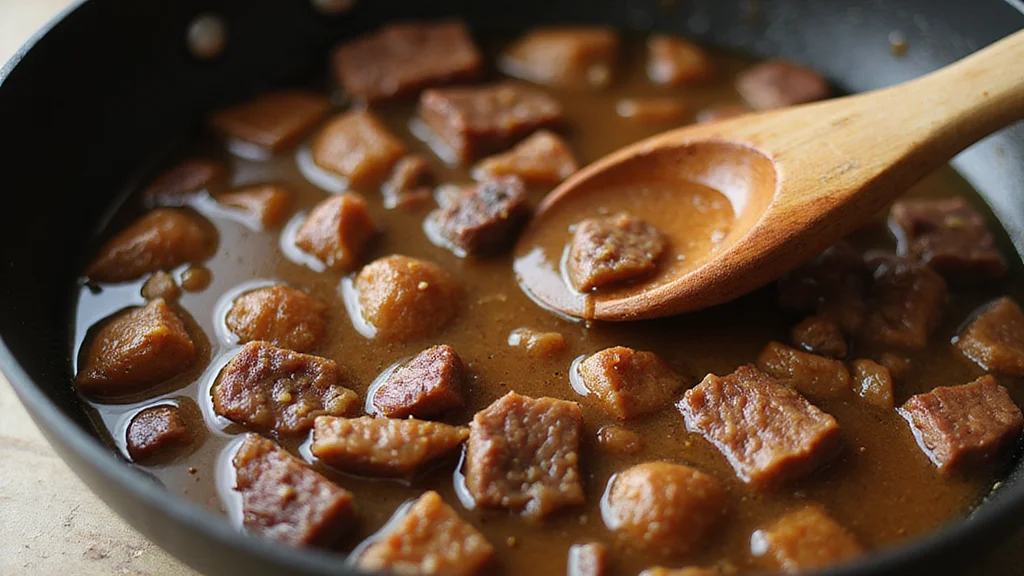
With the skillet still hot, add a splash of beef broth.
Use a wooden spoon to scrape up any browned bits from the bottom.
Pour the deglazed mixture over the beef in the crockpot.
This step captures additional flavor for the stew.
Step 5: Layer the Vegetables
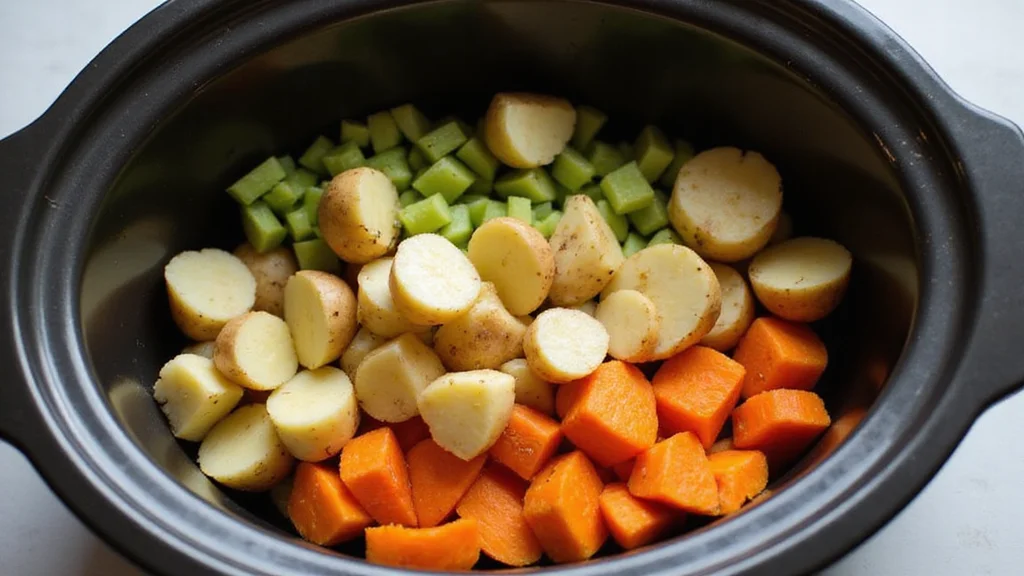
Place the potatoes and carrots at the bottom of the crockpot.
Add the sliced celery and chopped onions on top.
Layering ensures even cooking of all vegetables.
Keep the vegetables in even layers for best results.
Step 6: Season and Add Liquids
Sprinkle garlic, thyme, salt, and pepper over the ingredients.
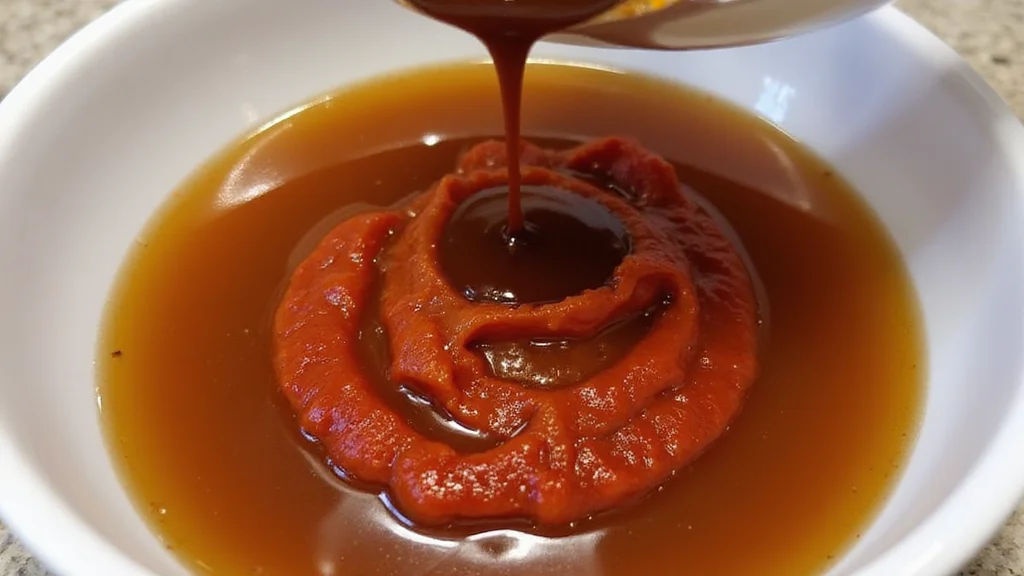
In a bowl, mix the beef broth, tomato paste, and Worcestershire sauce.
Pour the liquid mixture evenly over the contents of the crockpot.
Ensure all ingredients are submerged in liquid.
Step 7: Cook the Stew

Cover the crockpot with its lid and set to low heat.
Allow the stew to cook for 8 hours, absorbing flavors.
Check occasionally to ensure it’s simmering gently.
The stew is ready when the beef is tender and flavors melded.
Step 8: Serve the Stew
Taste the stew and adjust seasoning if necessary.
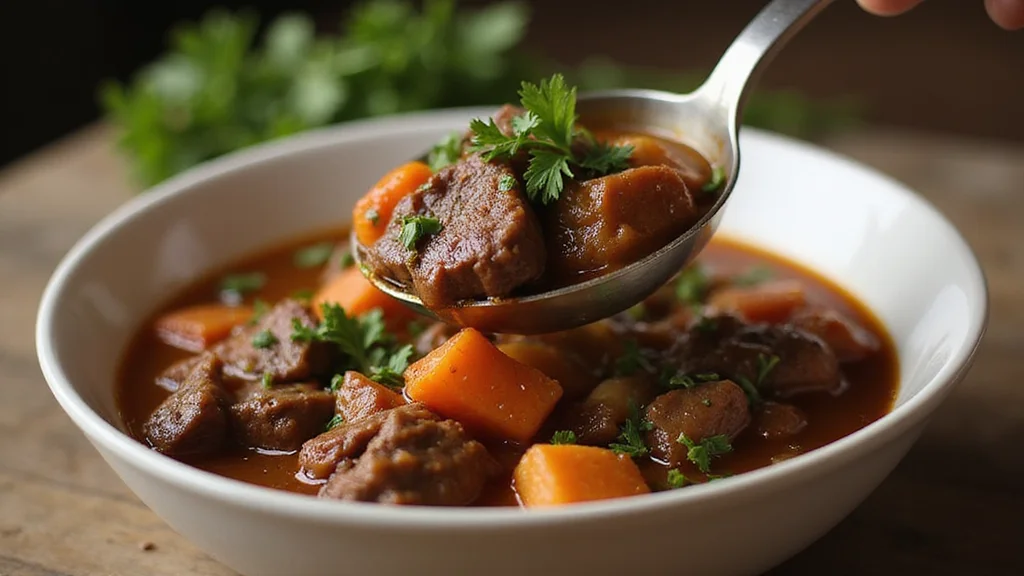
Ladle the stew into bowls, ensuring each has vegetables and beef.
Garnish with fresh parsley for a pop of color.
Serve hot and enjoy with crusty bread, if desired.
Critical Timing and Temperature Guide
Browning Beef: Brown beef at medium-high heat for about 5 minutes per side. Look for a deep brown crust, avoiding pale or grey meat.
Slow Cooking: Set crockpot to low for 8 hours, ensuring a gentle simmer. Avoid lifting the lid frequently, as this releases heat and extends cooking time.
Serving Temperature: Stew should be hot but not boiling when serving. Look for steam rising from the bowl, a sign that it's ready to eat.
Pro Tips for the Ultimate Crockpot
• Ingredient Selection: Choose well-marbled beef chuck for the best flavor and tenderness. High-quality beef makes a significant difference.
• Preparation Secret: Coat beef with flour before browning to enhance the stew's thickness and richness.
• Temperature Management: Ensure liquid is at room temperature before adding to prevent sudden temperature drops.
• Texture Enhancement: Allow the stew to rest for 10 minutes after cooking to let flavors settle.
• Flavor Layering: Add a splash of red wine for depth and complexity, enhancing the stew's overall flavor.
• Make-Ahead Strategies: Prepare vegetables and brown the beef a day early. Store separately in the fridge, then combine and cook the next day.
• Restaurant-Quality Finishing Touches: Garnish with fresh herbs like parsley or thyme just before serving to brighten flavors.
• Equipment Optimization: Use a crockpot with a timer to manage cooking times effectively, especially if you're away from home.
Troubleshooting Common Issues
• Texture Too Dense: Caused by insufficient liquid or overcooking. Add more broth and reduce cooking time if needed.
• Flavors Unbalanced: Overuse of salt or spices. Dilute with additional broth or add a splash of vinegar to balance flavors.
• Beef Too Tough: Often due to undercooking or using the wrong cut. Ensure beef is cooked long enough and choose chuck for best results.
• Vegetables Mushy: Result from overcooking. Cut vegetables into larger pieces or reduce cook time slightly.
• Lack of Depth: Insufficient browning or seasoning. Ensure beef is well-browned and use robust seasonings like Worcestershire sauce.
• Stew Too Thin: Caused by excess liquid. Thicken with a slurry of cornstarch and water, add slowly to achieve desired consistency.
Variations and Regional Differences
• French-Style Daube: Uses red wine and olives, with a longer marinating period for beef, resulting in a rich and aromatic dish.
• Irish Stew: Traditionally made with lamb instead of beef, with the inclusion of barley and stout beer for a hearty twist.
• Spanish Estofado: Incorporates smoked paprika and chorizo, adding a smoky and spicy flavor profile that's distinct from the classic version.
• Hungarian Goulash: Features paprika as a star spice, with a more soup-like consistency and the addition of bell peppers and tomatoes.
Food Science Behind the Recipe
• Maillard Reaction: This chemical reaction between amino acids and reducing sugars gives browned food its distinctive flavor. Proper browning of beef enhances the stew's complexity.
• Gelatinization: As the stew cooks, starches from flour and potatoes thicken the liquid, creating a luscious texture.
• Collagen Breakdown: Slow cooking breaks down collagen in the beef, transforming it into gelatin, which enriches the stew's mouthfeel.
• Flavor Extraction: Long cooking times allow for the transfer of flavors from the ingredients to the liquid, creating a harmonious blend.
Frequently Asked Questions
What's the most common mistake people make when preparing crockpot beef stew? Overcrowding the beef during browning, which steams rather than browns it, leading to less flavorful results.
Can I use a different cut of beef? Yes, but it's best to use well-marbled cuts like chuck for the most tender results.
How can I make this stew gluten-free? Substitute all-purpose flour with a gluten-free flour blend for coating the beef.
Is it okay to add other vegetables? Absolutely, but be mindful of cooking times to prevent them from becoming mushy.
Can I freeze leftovers? Yes, allow the stew to cool completely before storing in airtight containers for up to 3 months.
How do I reheat the stew? Reheat gently on the stove over low heat, stirring occasionally until warmed through.
What if I don't have a crockpot? Use a Dutch oven and cook in the oven at 300°F for similar results.
Serving and Presentation Guide
• Traditional Presentation: Serve in large, rustic bowls with a slice of crusty bread on the side, garnished with fresh parsley.
• Elegant Dinner Presentation: Serve in deep white bowls, with a sprinkle of finely chopped chives and a drizzle of high-quality olive oil.
• Family Style: Present the stew in a large serving bowl at the center of the table, allowing guests to serve themselves.
• Casual Buffet Style: Keep the stew in the crockpot on 'warm' setting, with bowls, spoons, and garnishes nearby for guests to help themselves.
Conclusion
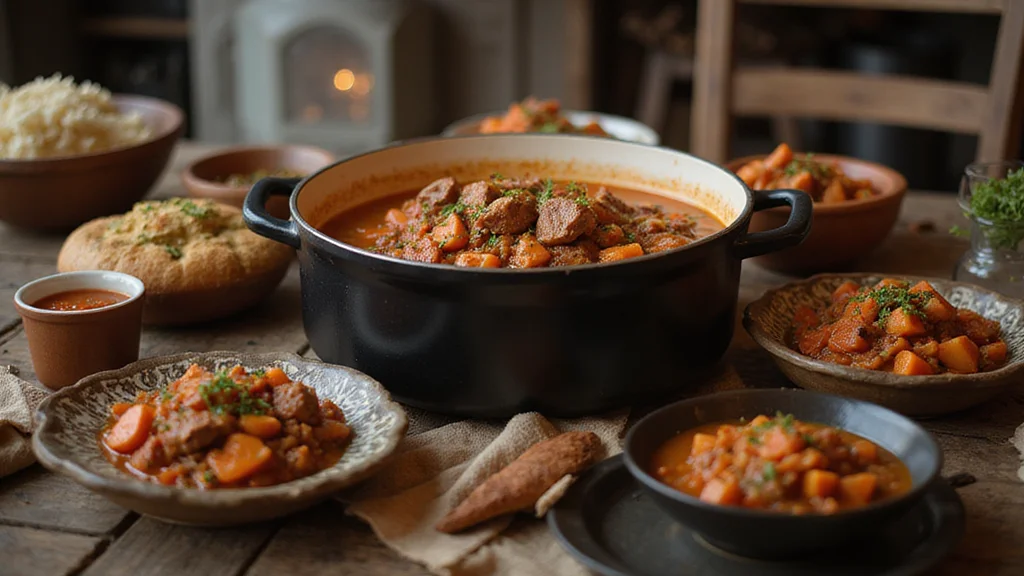
The ultimate crockpot beef stew is a testament to the magic of slow cooking and flavorful ingredients.
With each spoonful, you'll experience a comforting blend of tender beef and aromatic vegetables.
We hope this recipe becomes a staple in your kitchen, bringing warmth and joy to your table.
Don't hesitate to share this comforting dish with friends and family, creating cherished memories along the way.
Ultimate Crockpot Beef Stew
Ingredients
Method
- Cut beef into 1-inch cubes. Peel and slice carrots and potatoes. Chop celery and onion, and mince garlic. Have all ingredients ready before you begin.
- Place beef cubes in a bowl and sprinkle with flour. Toss to coat evenly; this helps thicken the stew as it cooks.
- Heat olive oil in a skillet over medium-high heat. Brown beef in batches to avoid overcrowding, searing all sides until deep golden. Transfer browned beef to the crockpot.
- With the skillet hot, add a splash of beef broth and scrape up browned bits. Pour the deglazed liquid over the beef in the crockpot to capture extra flavor.
- Place potatoes and carrots at the bottom of the crockpot, then add sliced celery and chopped onions on top. Proper layering ensures even cooking of the vegetables.
- Sprinkle garlic, thyme, salt, and pepper over the ingredients. Mix beef broth, tomato paste, and Worcestershire sauce in a bowl and pour evenly over the crockpot contents, ensuring ingredients are submerged.
- Cover the crockpot and set to low. Allow the stew to cook for 8 hours, checking occasionally to ensure a gentle simmer. The stew is ready when the beef is tender and flavors are well blended.
- Taste and adjust seasoning if needed. Ladle into bowls with plenty of vegetables and beef, garnish with fresh parsley, and serve hot with crusty bread if desired.




I love beef stew, especially on chilly days! Do you have any favorite sides to serve with it?
This recipe sounds so good! I once tried to make stew and accidentally used a whole bag of frozen veggies—let’s just say it was more of a veggie soup! 😂
Did you know that the slow cooker was invented in the 1940s? It’s cool to think how long we’ve been enjoying cozy meals like this!
Absolutely, Sola! It’s fascinating to see how the slow cooker has evolved over the decades while still bringing us those comforting meals we love. Cozy recipes like beef stew really show the timeless appeal of this cooking method!
This reminds me of the time I made stew for a potluck, and I forgot to add the beef! Everyone still loved it, but I learned to double-check my ingredients!
For a little kick, try adding a splash of Worcestershire sauce or some chopped jalapeños! It really brings the flavors out!