Scottish Shortbread: The Buttery Classic Cookie That Melts in Your Mouth
Classic Melt-in-Your-Mouth Scottish Shortbread
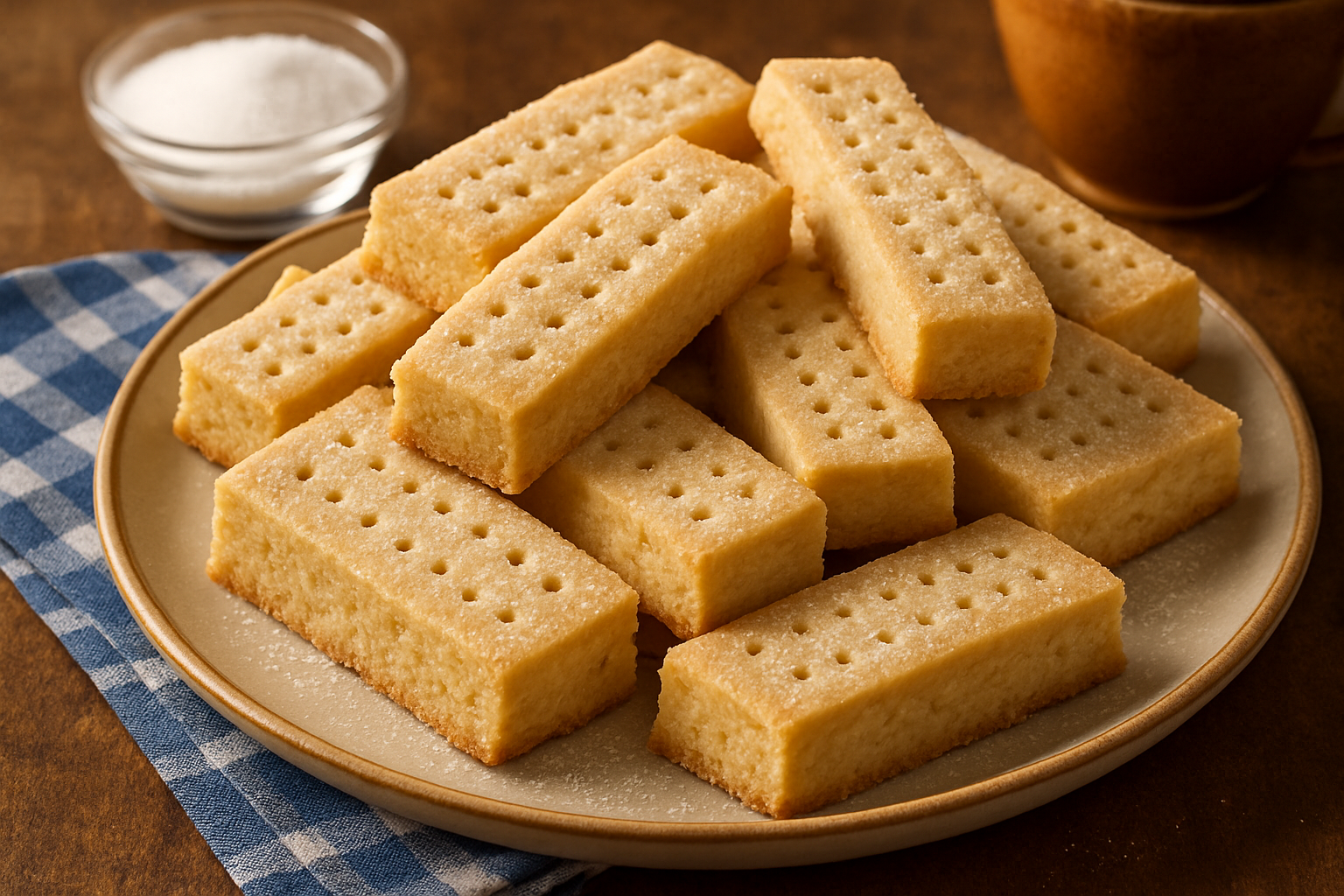
This authentic shortbread recipe features the perfect balance of buttery richness and delicate texture that has made this traditional Scottish treat beloved for generations. With just a few simple ingredients, you can create these irresistible cookies that literally melt in your mouth with each bite.
:max_bytes(150000):strip_icc()/232956-the-best-scottish-shortbread-VAT-Beauty-4x3-fba7a89e73164a72a3ce2292b5555503.jpg)
Why This Shortbread Recipe Works
There’s something magical about the simplicity of traditional Scottish shortbread. What makes this recipe stand out is the perfect ratio of ingredients that creates that signature “short” texture — crumbly yet tender, with a rich buttery flavor that simply can’t be matched.
The beauty of this recipe lies in its minimalist approach — just three primary ingredients combine to create something truly extraordinary. The high butter content gives these cookies their characteristic richness, while the careful baking at a low temperature ensures they develop that perfect golden hue without browning too quickly.
Key Ingredients for Perfect Shortbread
- 2½ cups all-purpose flour
- ½ cup granulated sugar (plus extra for sprinkling)
- 1 cup (2 sticks) unsalted butter, softened to room temperature
- ¼ teaspoon salt (if using unsalted butter)
- ½ teaspoon pure vanilla extract (optional)
About the Ingredients
Butter: The star of authentic shortbread! Use the highest quality unsalted butter you can find. European-style butters with higher fat content will create an even more luxurious cookie.
Flour: All-purpose flour works perfectly, but for an even more tender crumb, you can substitute ¼ cup of the all-purpose flour with rice flour or cornstarch.
Sugar: Traditional recipes use granulated sugar, though some bakers prefer powdered sugar for a more delicate texture.
How to Make Scottish Shortbread
- Preheat your oven to 300°F (150°C). Line a baking sheet with parchment paper or lightly grease an 8×8 inch square baking pan.
- In a large mixing bowl, cream together the softened butter and sugar until light and fluffy, about 3-4 minutes. The mixture should be pale in color and very smooth.
- If using vanilla extract, mix it in at this stage.
- Gradually add the flour and salt, mixing at low speed until just combined. Be careful not to overmix — stop when the dough comes together and pulls away from the sides of the bowl.
- Turn the dough onto a lightly floured surface and gently knead it a few times until smooth. The dough should feel soft but not sticky.
- For traditional wedges: Press the dough evenly into the prepared baking pan. Prick the entire surface with a fork (this prevents bubbling) and score into wedges using a knife.
- For individual cookies: Roll the dough to about ½-inch thickness and cut with cookie cutters, or shape into a log and slice into rounds.
- Bake for 20-25 minutes until firm but not browned. The shortbread should remain pale with just a hint of golden color at the edges.
- While still warm, sprinkle the surface lightly with additional granulated sugar. Allow to cool in the pan for 10 minutes before transferring to a wire rack to cool completely.
Tips for Shortbread Success
- Temperature matters: Ensure your butter is softened but not melted. If it’s too warm, the cookies will spread.
- Handle with care: Work the dough as little as possible to maintain tenderness. Overworking develops gluten, resulting in tough cookies.
- Chill for precision: If cutting shapes, refrigerate the dough for 30 minutes before cutting for cleaner edges.
- Perfect doneness: Watch carefully during baking — shortbread should remain pale. If it starts to brown, it’s overbaked.
- Storage wisdom: Once cooled completely, store in an airtight container at room temperature for up to 1 week, or freeze for up to 3 months.
Variations on Classic Shortbread
Citrus Shortbread
Add 1 tablespoon of lemon or orange zest to the butter mixture for a bright, refreshing flavor profile.
Chocolate Dipped
Once cooled, dip half of each shortbread piece in melted dark or white chocolate for an elegant finish.
Herbal Twist
Incorporate 1 tablespoon of finely chopped rosemary or lavender buds into the dough for a sophisticated herbal note.
Spiced Shortbread
Add ½ teaspoon cinnamon, ¼ teaspoon nutmeg, and a pinch of cloves for a warming holiday variation.
Nutrition Information
Per Serving:
- Calories: 267 kcal
- Carbohydrates: 29 g
- Protein: 3 g
- Fat: 16 g
- Saturated Fat: 10 g
- Cholesterol: 41 mg
- Sodium: 122 mg
- Fiber: 1 g
- Sugar: 9 g
The History Behind Scottish Shortbread
Shortbread has a rich history dating back to medieval Scotland, where it evolved from medieval biscuit bread. The name “shortbread” comes from its high fat content, which creates the characteristic “short” or crumbly texture.
Originally a luxury reserved for special occasions like Christmas and Hogmanay (Scottish New Year), shortbread was often decorated with elaborate designs. The traditional shapes — petticoat tails (wedges from a circle), fingers, and rounds — each have their own historical significance in Scottish culture.
Today, this beloved treat remains a quintessential part of Scottish heritage and continues to delight people worldwide with its simple yet exquisite combination of butter, sugar, and flour.
Serving Suggestions
Traditional Scottish shortbread is delicious on its own, but it also pairs beautifully with:
- A cup of hot tea or coffee
- Fresh berries and whipped cream
- Vanilla ice cream for an elevated dessert
- A glass of sweet dessert wine or whisky (for adult gatherings)
Whether you’re enjoying these buttery treats during the holiday season or baking them for a special afternoon tea, this authentic shortbread recipe is sure to become a cherished favorite in your baking repertoire.
Recipe adapted from AllRecipes
Classic Melt-in-Your-Mouth Scottish Shortbread
Ingredients
Method
- Preheat your oven to 300°F (150°C). Line a baking sheet with parchment paper or lightly grease an 8×8 inch square baking pan.
- In a large mixing bowl, cream together the softened butter and sugar until light and fluffy, about 3-4 minutes. The mixture should be pale in color and very smooth.
- If using vanilla extract, mix it in at this stage.
- Gradually add the flour and salt, mixing at low speed until just combined. Be careful not to overmix — stop when the dough comes together and pulls away from the sides of the bowl.
- Turn the dough onto a lightly floured surface and gently knead it a few times until smooth. The dough should feel soft but not sticky.
- For traditional wedges: Press the dough evenly into the prepared baking pan. Prick the entire surface with a fork (this prevents bubbling) and score into wedges using a knife.
- For individual cookies: Roll the dough to about ½-inch thickness and cut with cookie cutters, or shape into a log and slice into rounds.
- Bake for 20-25 minutes until firm but not browned. The shortbread should remain pale with just a hint of golden color at the edges.
- While still warm, sprinkle the surface lightly with additional granulated sugar. Allow to cool in the pan for 10 minutes before transferring to a wire rack to cool completely.