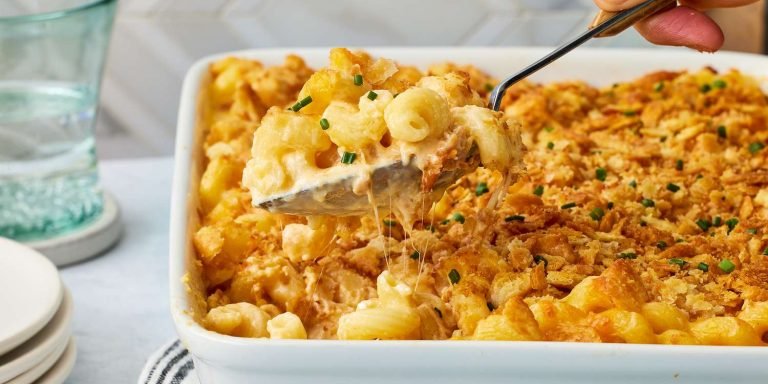

Classic Sugar Cookies Recipe: Easy, Fun, and Irresistibly Sweet
This classic sugar cookies recipe brings together simplicity and nostalgia, evoking memories of sweet treats from childhood.
With a delightful balance of buttery richness and sugary sweetness, these cookies are perfect for any occasion.
I often find myself baking these cookies during the holiday season, filling my home with their irresistible aroma.
Classic Sugar Cookies
Ingredients
Method
- Preheat oven to 350°F (175°C). Line baking sheets with parchment paper.
- Cream together the softened butter and sugar in a mixing bowl until light and fluffy.
- Beat in the egg and vanilla extract until well combined.
- In a separate bowl, whisk together flour, baking powder, and salt.
- Gradually add the dry ingredients to the wet ingredients, mixing until just combined.
- Wrap the dough in plastic wrap and refrigerate for at least 30 minutes.
- Scoop and roll dough into balls, coat in sugar if desired, and place on prepared baking sheets about 2 inches apart.
- Bake for 8–10 minutes, until the edges are lightly golden. Let cool on the sheet before transferring to a wire rack.
Nutrition
Whether decorated with colorful icing or enjoyed plain, these sugar cookies are a timeless favorite that everyone loves.
The History and Cultural Significance
• Sugar cookies trace their origins to the early 1700s in Nazareth, Pennsylvania, where they were created by German settlers.
• The dish evolved over decades as recipes spread across the United States, incorporating local ingredients and preferences, eventually becoming the beloved version we know today.
• In American culture, these cookies traditionally appear at holiday celebrations, symbolizing joy and togetherness.
• While many variations exist across different regions, the authentic version maintains its simple, sweet flavor that sets it apart from imitations.
Recipe Overview
Servings: 24 cookies
Prep Time: 15 minutes
Active Cooking Time: 10 minutes
Total Time: 1 hour (including chilling)
Difficulty: Easy
Best Season: Year-round, especially during holidays
Special Equipment: Baking sheets, mixing bowls, rolling pin
Nutritional Information (per serving)
Calories: 150 kcal
Protein: 2 g
Carbohydrates: 22 g
Fat: 6 g
Fiber: 0 g
Sugar: 10 g
Sodium: 50 mg
Essential Equipment Guide
Baking Sheets: Quality baking sheets ensure even heat distribution, essential for achieving perfectly baked cookies. Look for heavy-duty sheets that resist warping and can withstand high temperatures.
Mixing Bowls: A set of mixing bowls in various sizes is crucial for combining ingredients effectively. Choose sturdy bowls that can handle vigorous mixing and are made from materials like glass or stainless steel for durability.
Rolling Pin: A good rolling pin helps flatten dough evenly for consistent cookie thickness. Opt for a weighted pin that provides the right amount of pressure without being too heavy.
Key Ingredients Explained
For the Cookie Dough:
• 2 ¾ cups all-purpose flour – Choose a high-quality flour with a moderate protein content for the best texture. All-purpose flour provides the right balance of structure and tenderness, but you can substitute with gluten-free blends if needed, noting that texture may vary.
• 1 cup unsalted butter, softened – Use fresh, high-fat butter for rich flavor and a tender crumb. If you’re dairy-free, coconut oil or vegan butter can be used, but this may alter the flavor slightly.
For the Sugar Topping:
• ½ cup granulated sugar – Opt for fine granulated sugar for an even coating that adds sweetness and crunch to the cookies. Brown sugar can be used for a deeper flavor, but it will change the texture and color of the cookies.
• 1 teaspoon vanilla extract – Pure vanilla extract enhances the cookies’ flavor profile. Imitation vanilla can be used in a pinch, though the taste will not be as rich.
Preparation Methods
Creaming Butter and Sugar: This technique involves mixing softened butter and sugar until light and fluffy, which incorporates air into the mixture. This step is crucial for achieving a light texture in the cookies. Use a stand mixer or hand mixer for best results, and scrape down the sides of the bowl to ensure even mixing.
Chilling the Dough: Chilling the dough allows the butter to firm up, which helps the cookies maintain their shape during baking. After mixing, wrap the dough in plastic wrap and refrigerate for at least 30 minutes. This prevents spreading and enhances flavor as the dough rests.
Rolling and Cutting: Rolling out the dough to a consistent thickness ensures even baking. Dust your work surface and rolling pin with flour to prevent sticking. Use cookie cutters for shapes, and remember to flour the cutters as well to achieve clean edges.
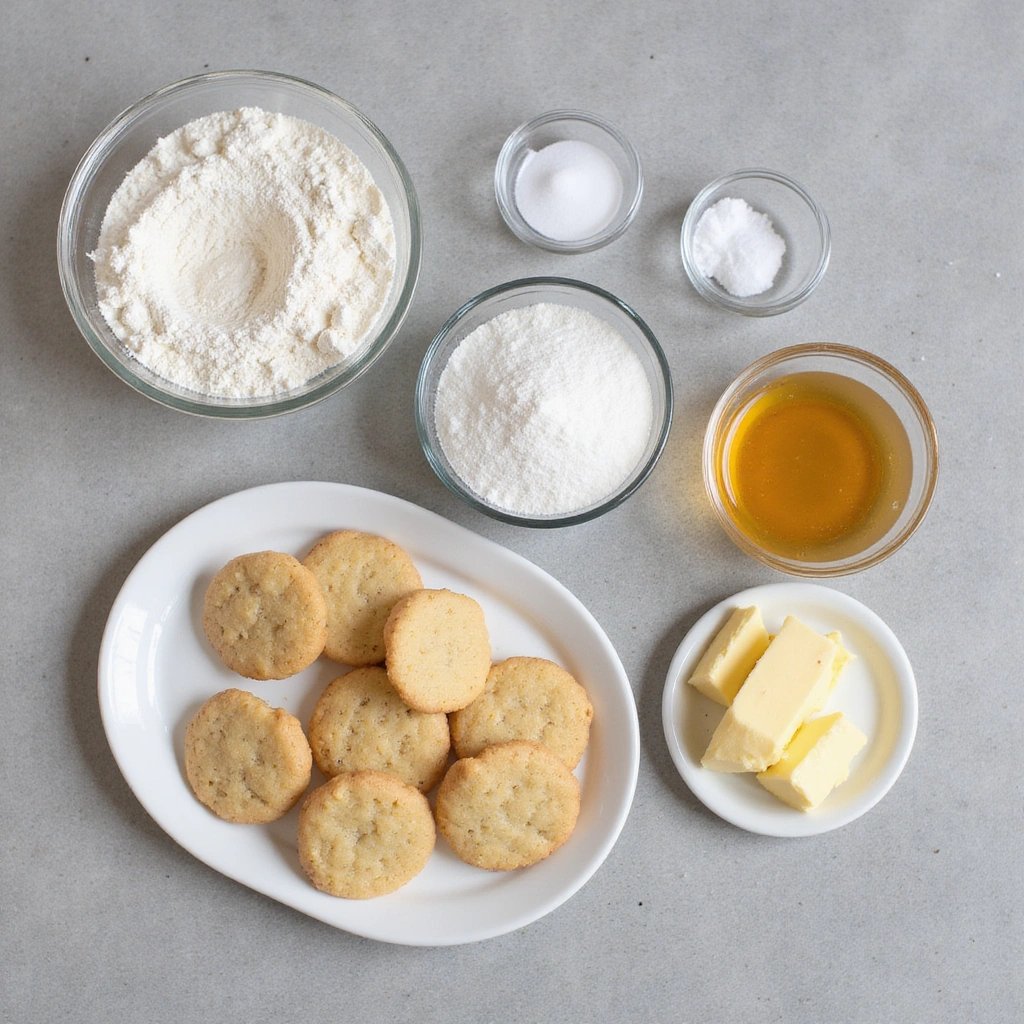
Step 1: Gather Ingredients
Start by collecting all the ingredients needed for the sugar cookies.
Make sure you have flour, butter, sugar, eggs, vanilla extract, baking powder, and salt.
Check the freshness of your ingredients, especially the baking powder, as it affects the cookie’s rise.
This step ensures a smooth baking process without interruptions.
Step 2: Preheat the Oven
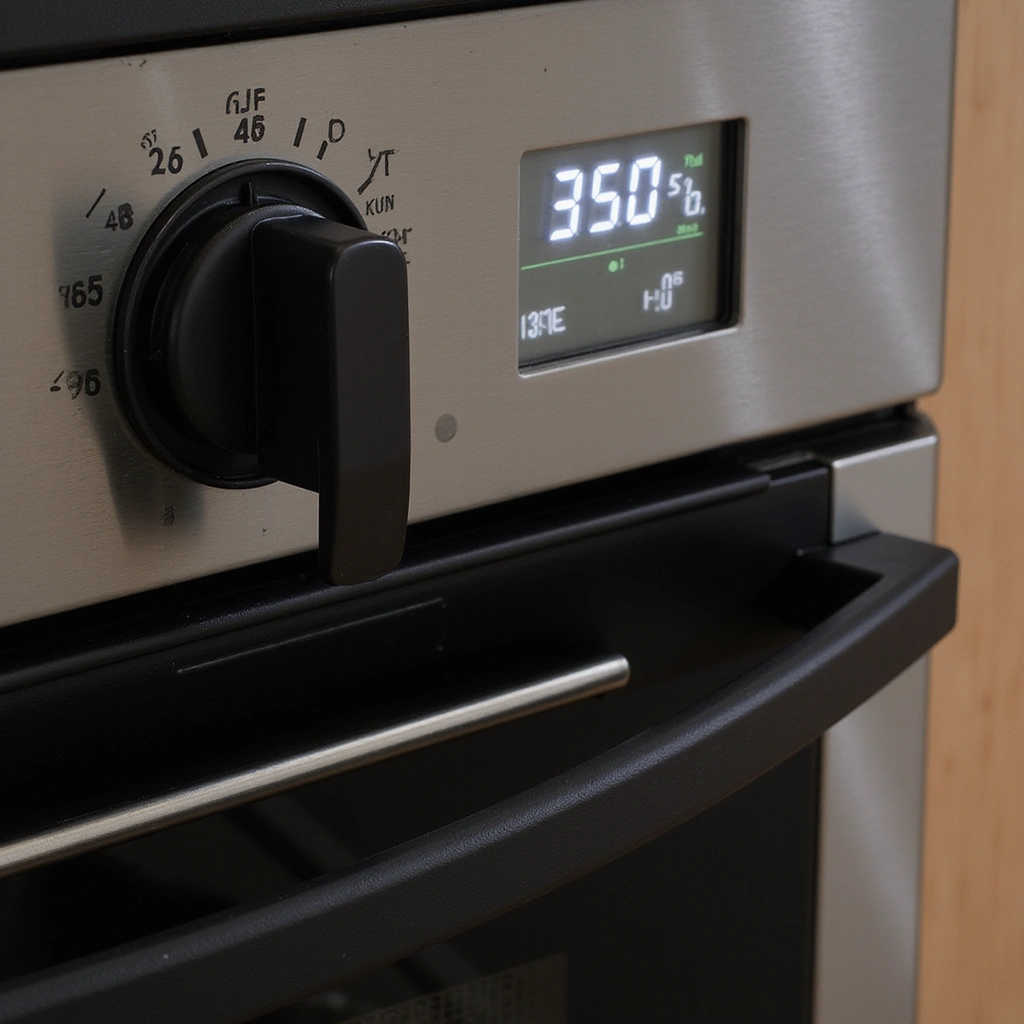
Preheat your oven to 350°F (175°C).
This step is crucial as it ensures that the cookies start baking at the right temperature for even cooking.
Using an oven thermometer can help confirm that your oven is accurate.
While the oven preheats, you can prepare your cookie dough.
Step 3: Cream Butter and Sugar
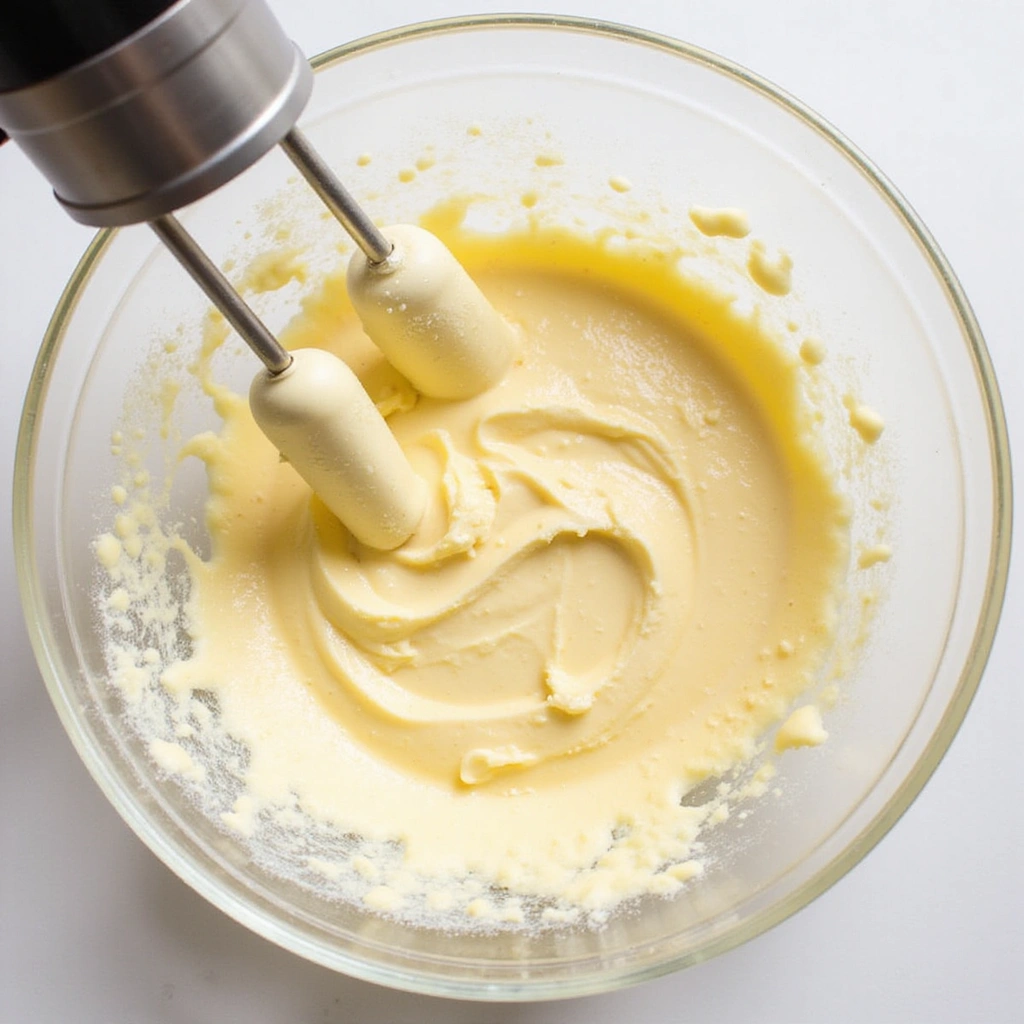
In a large mixing bowl, combine the softened butter and granulated sugar.
Using a stand mixer or hand mixer, beat the mixture on medium speed until it becomes light and fluffy, about 3-5 minutes.
Look for a pale color and a noticeable increase in volume, indicating that air has been incorporated.
Scrape down the sides of the bowl to ensure all ingredients are well mixed.
Step 4: Add Eggs and Vanilla
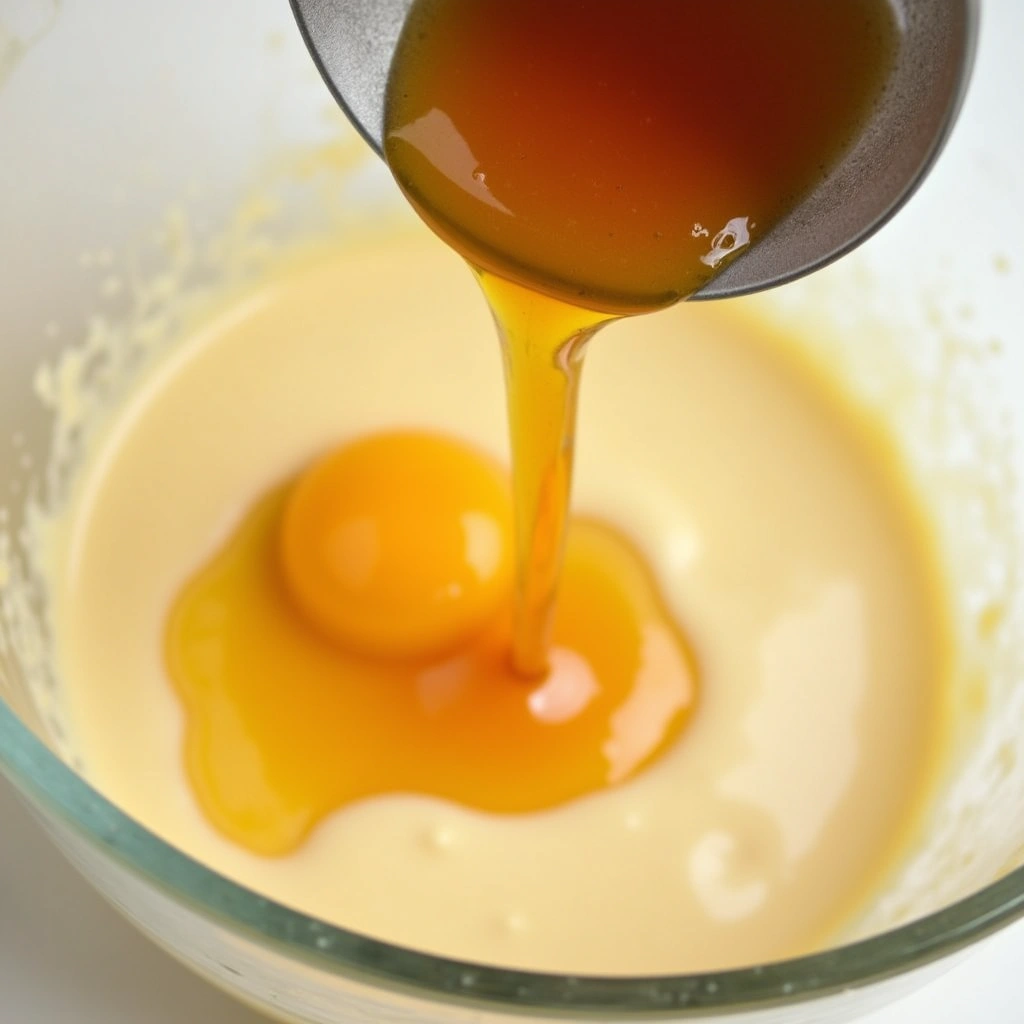
Add the egg and vanilla extract to the creamed butter and sugar mixture.
Mix on low speed until well combined, ensuring to scrape the sides of the bowl again.
The mixture should look smooth and slightly glossy, indicating proper incorporation of the eggs.
This step adds richness and flavor to the cookies.
Step 5: Combine Dry Ingredients
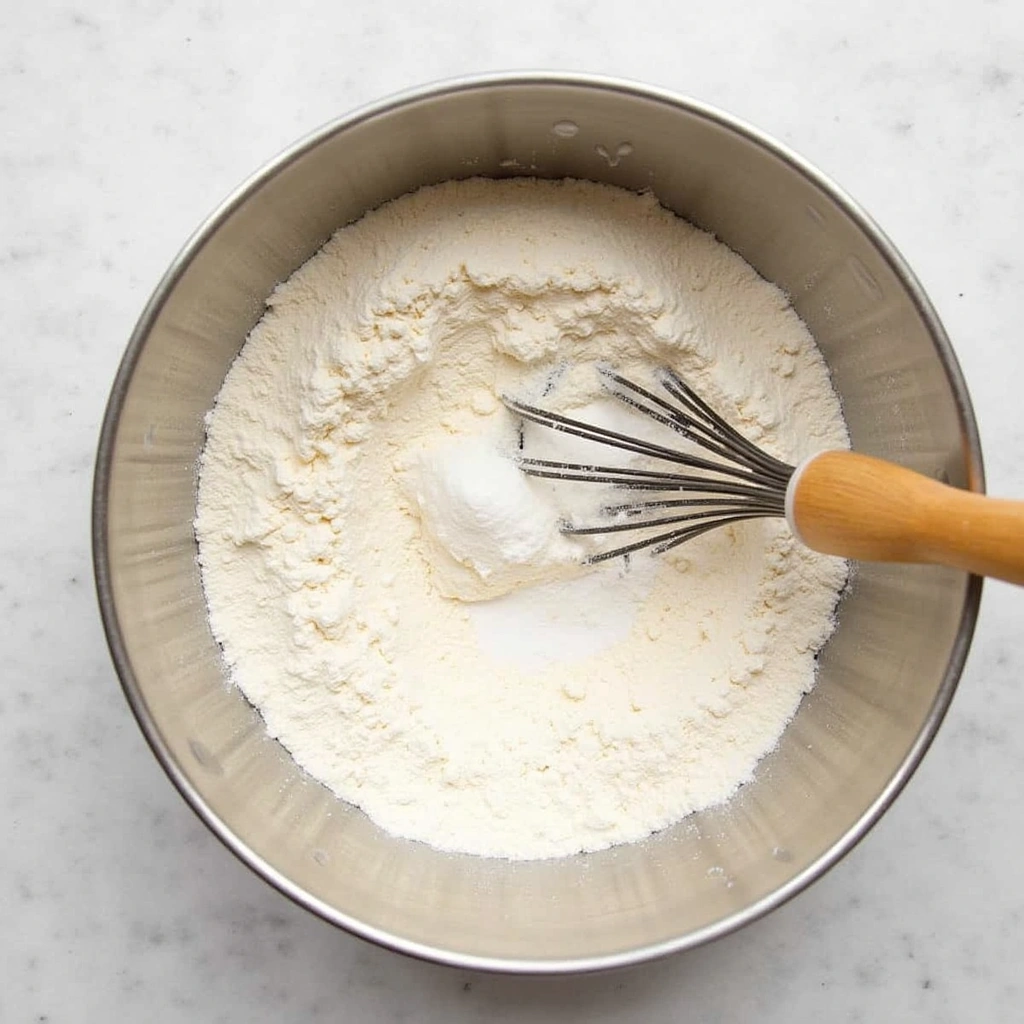
In a separate bowl, whisk together the flour, baking powder, and salt.
This helps to evenly distribute the leavening agent and salt throughout the flour.
Sifting the dry ingredients can also help prevent lumps in the cookie dough.
Gradually add the dry mixture to the wet ingredients, mixing until just combined.
Step 6: Chill the Dough
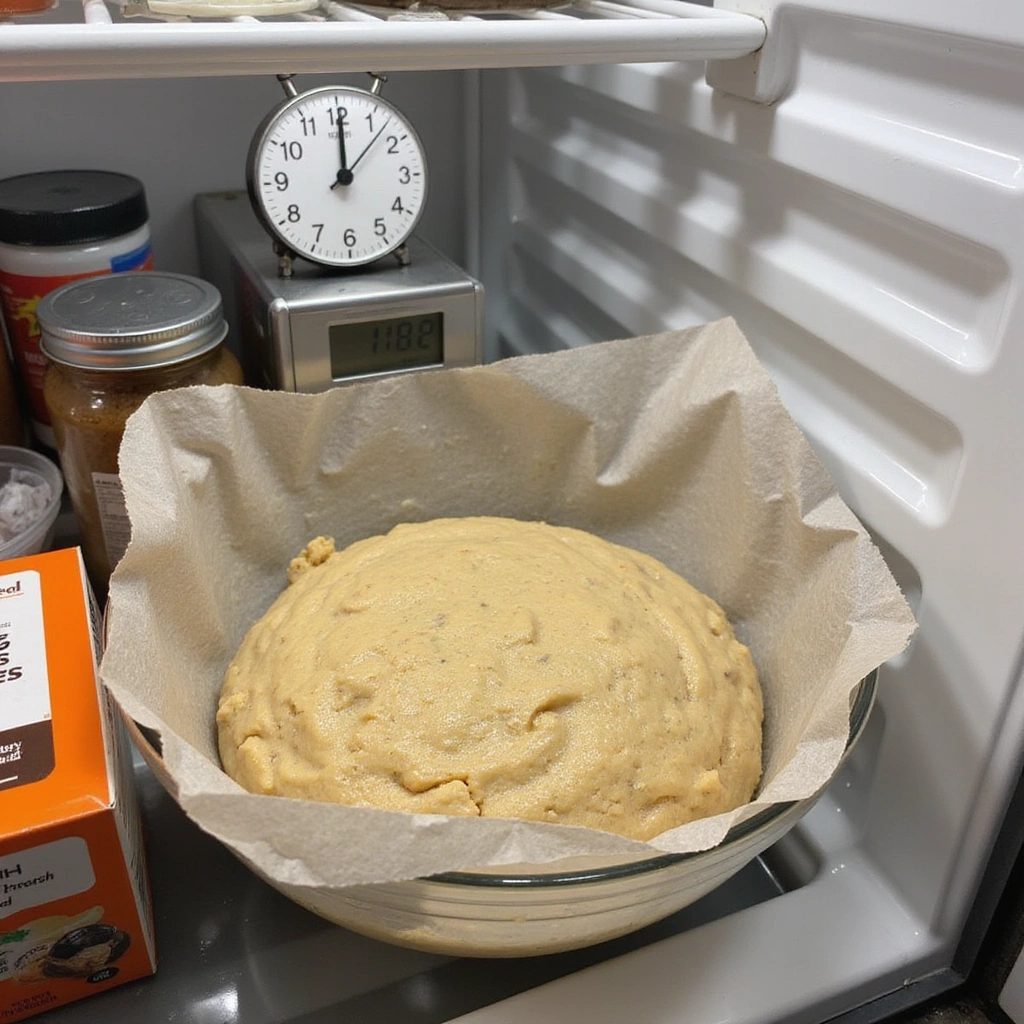
Once combined, wrap the cookie dough in plastic wrap and refrigerate for at least 30 minutes.
Chilling the dough helps to solidify the butter, preventing the cookies from spreading too much during baking.
If you’re short on time, even a 15-minute chill can help, but longer is better for texture.
This step enhances the flavor as the dough rests.
Step 7: Shape the Cookies
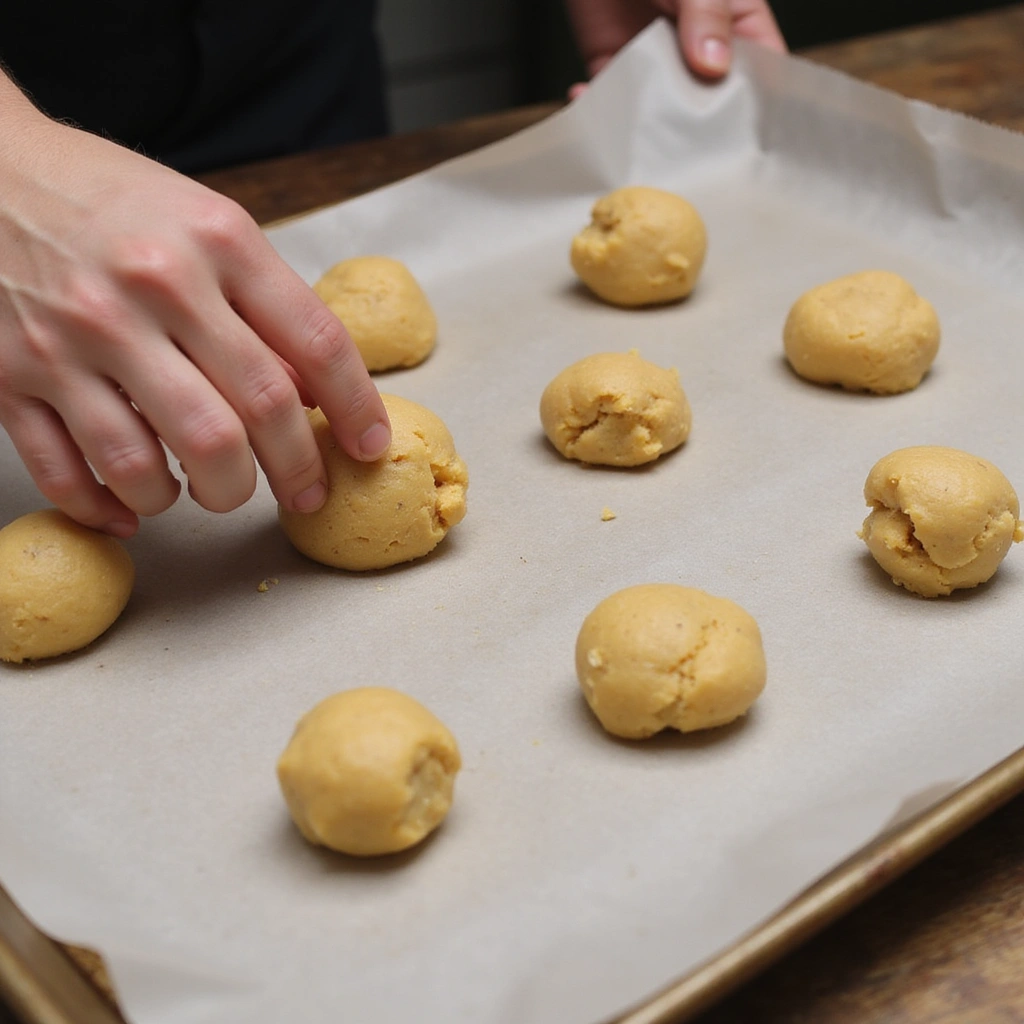
After chilling, remove the dough from the refrigerator and preheat the oven if you haven’t done so already.
Scoop out portions of dough and roll them into balls, about 1 inch in diameter.
For uniform cookies, using a cookie scoop can help maintain consistent size.
Place the cookie balls on a baking sheet lined with parchment paper, spacing them about 2 inches apart.
Step 8: Bake the Cookies
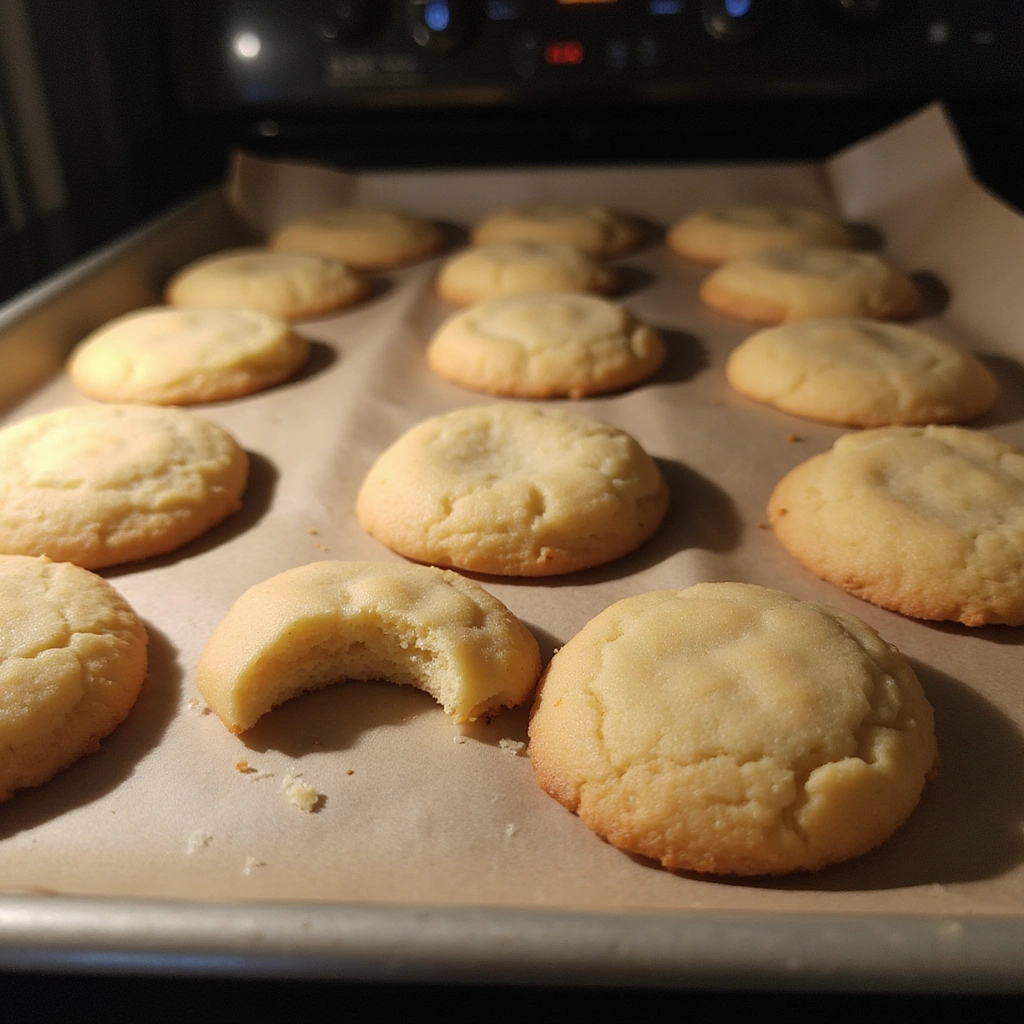
Place the baking sheet in the preheated oven and bake for 8-10 minutes.
Keep an eye on the cookies; they should be lightly golden around the edges but still soft in the center.
Overbaking can lead to dry cookies, so check for doneness a minute or two early.
Once done, remove the cookies and allow them to cool on the baking sheet for a few minutes before transferring to a wire rack.
Step 9: Cool and Decorate
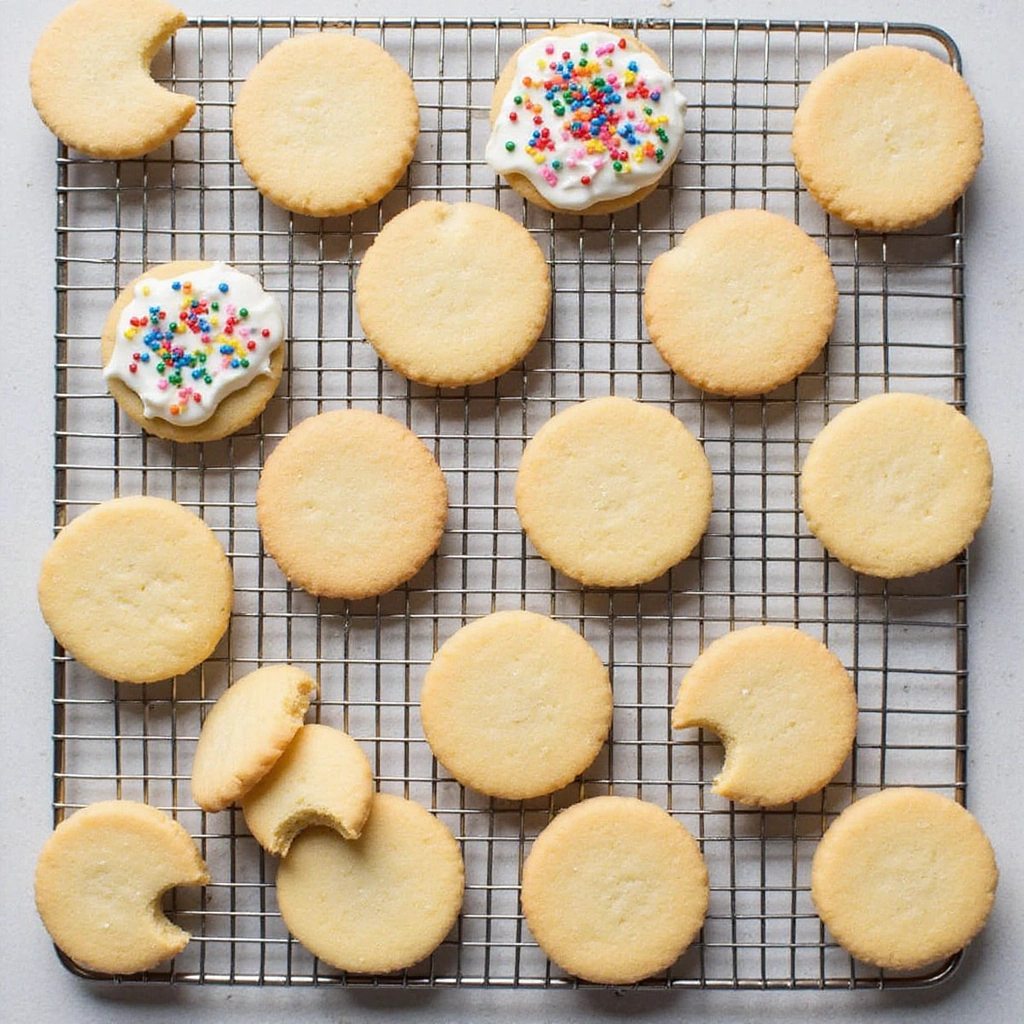
Let the cookies cool on a wire rack completely before decorating.
Once cooled, you can decorate them with icing, sprinkles, or enjoy them plain.
For icing, use a simple glaze made from powdered sugar and water to create a smooth finish.
This step allows the cookies to set and the flavors to meld beautifully.
Critical Timing and Temperature Guide
Chilling the Dough: Chill the dough for a minimum of 30 minutes to enhance flavor and prevent spreading. The dough should be firm to the touch before rolling.
Baking Time: Bake for 8-10 minutes. Cookies are done when the edges are lightly golden, and the center looks slightly underbaked.
Cooling Time: Allow cookies to cool on the sheet for 5 minutes before transferring to a wire rack to cool completely. This prevents them from breaking apart.
Pro Tips for Sugar Cookies Recipe
• Ingredient Selection: Use high-quality butter for rich flavor; it makes a significant difference in the final taste.
• Preparation Secret: Chilling the dough not only prevents spreading but also enhances the flavor of the cookies.
• Temperature Management: Ensure butter is softened but not melted, as this affects the cookie texture.
• Texture Enhancement: For a softer cookie, underbake slightly and let them finish cooking on the baking sheet.
• Flavor Layering: Adding almond extract along with vanilla can create a unique flavor profile.
• Make-Ahead Strategies: The dough can be made ahead and frozen for up to 3 months; just thaw before baking.
• Restaurant-Quality Finishing Touches: Lightly dust with powdered sugar before serving for an elegant touch.
• Equipment Optimization: Use insulated baking sheets to prevent over-browning.
Troubleshooting Common Issues
• Cookies Spread Too Much: This often happens if the dough isn’t chilled long enough. Ensure you chill for at least 30 minutes and keep your butter cold.
• Cookies Too Hard: If overbaked, cookies will harden. Check for doneness early and remove them when the edges are just golden.
• Uneven Baking: Rotate your baking sheets halfway through baking for even heat distribution.
• Flavor Lacks Depth: If the cookies taste flat, try adding a pinch of salt or a bit of almond extract for complexity.
• Texture Too Dry: Ensure you measure flour correctly and avoid overmixing after adding dry ingredients.
• Sticky Dough: If the dough is too sticky, add a little more flour, but do so gradually to avoid tough cookies.
Variations and Regional Differences
• Mexican Wedding Cookies: These are similar to sugar cookies but are rolled in powdered sugar and often include nuts for added texture and flavor.
• Frosted Sugar Cookies: A popular variation where cookies are decorated with royal icing or buttercream, often for special occasions.
• Lemon Sugar Cookies: Adding lemon zest and juice gives these cookies a refreshing citrus flavor, perfect for summer.
• Modern Interpretations: Incorporating unique flavors like matcha or spices such as cardamom can create exciting twists on the classic sugar cookie.
Food Science Behind the Recipe
• Creaming Method: This process incorporates air into the butter and sugar mixture, helping the cookies rise and creating a tender texture.
• Chilling the Dough: Chilling solidifies the fat in the cookies, reducing spread while baking. This step is crucial for maintaining shape.
• Leavening Agents: Baking powder releases carbon dioxide when heated, helping the cookies rise and become light and fluffy, which is essential for the right texture.
Frequently Asked Questions
What’s the most common mistake people make when preparing sugar cookies? The most common mistake is not chilling the dough, which leads to cookies that spread too much during baking.
Can I prepare components of this dish in advance? Yes, the dough can be made ahead of time and stored in the refrigerator for up to 3 days or frozen for 3 months.
How do I adapt this recipe for dietary restrictions? For gluten-free cookies, use a gluten-free flour blend, and for dairy-free options, substitute the butter with a vegan alternative.
What’s the best way to store and reheat leftovers? Store cookies in an airtight container at room temperature for up to a week. They can be reheated in the microwave for a few seconds if needed.
Can I freeze this dish? Yes, sugar cookies freeze well. Store in an airtight container with parchment paper between layers for up to 3 months.
What wine or beverages pair best with this dish? Sweet dessert wines or even a hot spiced cider can complement the sweetness of sugar cookies nicely.
How can I scale this recipe up for a crowd? To double the recipe, simply multiply all ingredients by two, ensuring even mixing and baking times.
What side dishes complement this recipe best? A glass of milk or coffee pairs perfectly with sugar cookies, enhancing their sweetness.
How do professional chefs elevate this dish for restaurant service? Professional chefs often add unique flavors, textures, or garnishes, such as flavored glazes or edible flowers.
Serving and Presentation Guide
• Traditional Presentation: Serve sugar cookies on a festive platter, possibly dusted with powdered sugar or decorated with icing for a classic look.
• Modern Plating Ideas: Use clear glass jars to display cookies attractively with a rustic touch, or stack them on wooden boards for a contemporary feel.
• Accompaniment Suggestions: Pair cookies with a glass of milk, coffee, or tea to enhance the overall experience.
• Special Occasion Presentation: For holidays, arrange cookies in themed shapes or colors and use decorative tins for gifting.
Conclusion
I hope this classic sugar cookies recipe becomes a cherished addition to your baking repertoire.
With its simple ingredients and delightful flavor, it’s perfect for any occasion.
Enjoy the process of baking and the smiles these cookies will bring to your family and friends.