
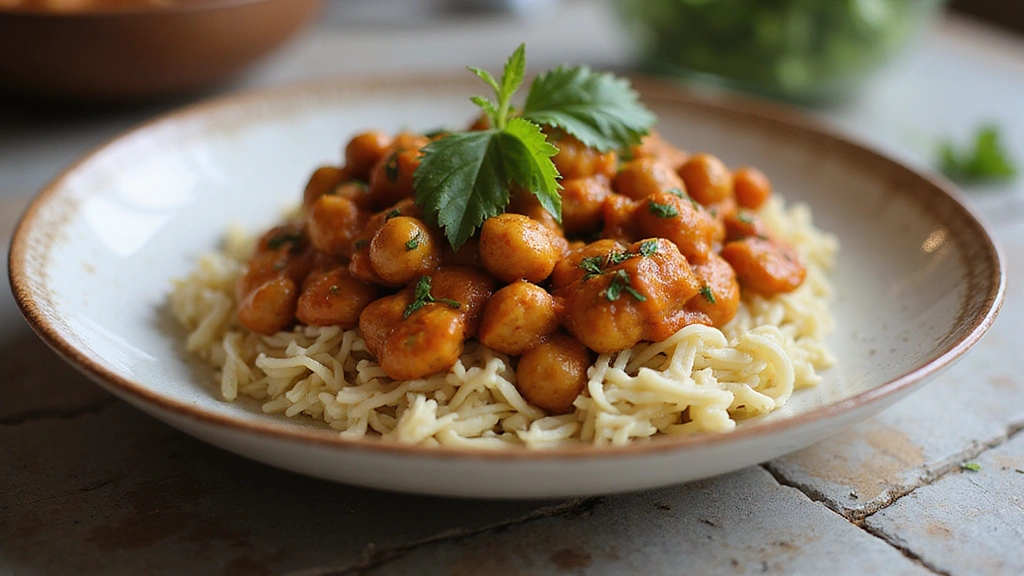
Vegan Chickpea Tikka Masala: Cozy Plant-Powered Dinner
Vegan Chickpea Tikka Masala combines vibrant spices with creamy textures for a dish that’s both comforting and invigorating.
The rich aroma of cumin, coriander, and garam masala fills the kitchen, promising a meal that’s as warming as it is flavorful.
Discovering this recipe was like finding a treasure trove of flavor during my culinary explorations.
Ideal for cozy nights in or a festive gathering, this dish offers a plant-powered twist on a beloved classic.
Prepare for a dining experience that delights both vegans and non-vegans alike.
The simplicity of the preparation belies the complex layers of taste that await with each bite.
The History and Cultural Significance
• Vegan Chickpea Tikka traces its origins to the Indian subcontinent, where it was originally created as a vegetarian alternative to meat-based dishes.
• The dish evolved over decades as plant-based diets gained popularity, eventually becoming the beloved version we know today.
• In Indian culture, this dish traditionally appears at family gatherings, symbolizing hospitality and warmth.
• While many variations exist across different regions, the authentic version maintains a balance of spices and creaminess that sets it apart from imitations.
Recipe Overview
Nutritional Information (per serving)
You Might Also Like

How to Make Authentic Italian Pasta: A Taste of Italy at Home – Nest Notion
Essential Equipment Guide
Large Skillet: A large skillet is crucial for evenly cooking the chickpeas and allowing the sauce to simmer to perfection. A deep pan with a heavy bottom is ideal to prevent sticking and ensure even heat distribution.
Blender: A blender is essential for achieving the smooth, creamy consistency of the sauce. While a standard blender works, a high-speed blender creates an exceptionally silky texture.
Wooden Spoon: A sturdy wooden spoon is perfect for stirring the masala, ensuring the spices are well incorporated without scratching the pan. Alternatives include silicone spatulas or heat-resistant plastic spoons.
Ingredients
For the Base
|
|
| Amount | Ingredient | Notes |
|---|---|---|
| 2 tablespoons | olive oil | for sautéing |
| 1 large | onion | finely chopped |
| 3 cloves | garlic | minced |
| 1 tablespoon | ginger | grated |
For the Sauce
| Amount | Ingredient | Notes |
|---|---|---|
| 2 cups | canned tomatoes | crushed |
| 1 cup | coconut milk | full-fat for creaminess |
| 2 tablespoons | tomato paste | adds depth |
Vegetables
| Amount | Ingredient | Notes |
|---|---|---|
| 2 cups | chickpeas | cooked, or canned, drained |
| 1 large | bell pepper | diced |
Seasonings
| Amount | Ingredient | Notes |
|---|---|---|
| 1 teaspoon | cumin | ground |
| 1 teaspoon | coriander | ground |
| 1 teaspoon | garam masala | aromatic spice blend |
| 1 teaspoon | turmeric | for color |
| 1 teaspoon | salt | enhances flavor |
| 1 teaspoon | sugar | balances acidity |
Preparation Methods
Tempering Spices: Tempering involves cooking spices in hot oil to release their essential oils and flavors. This step is critical for building the foundational taste of the dish. Use medium heat and stir constantly to avoid burning.
Simmering: Allowing the sauce to gently simmer enables the flavors to meld together. Keep the heat low to prevent scorching and stir occasionally to ensure even cooking.
Blending: Achieving a smooth sauce requires blending the cooked mixture until velvety. Ensure the mixture is cool enough to handle before blending to avoid accidents.
Step 1: Prepare Ingredients
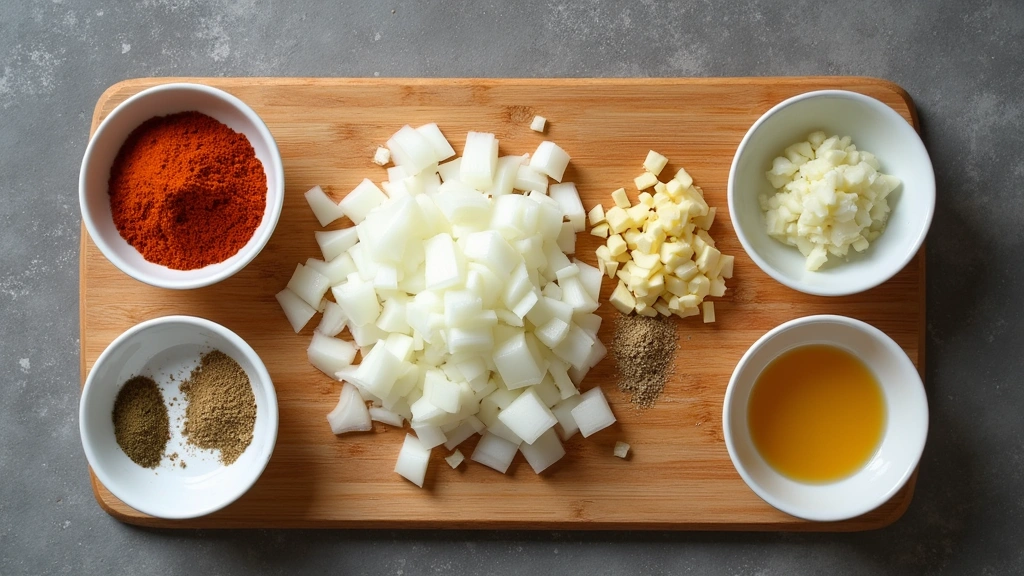
Gather all necessary ingredients before beginning.
Chop the onion finely and mince the garlic.
Grate the ginger to ensure it blends well into the dish.
Measure out all spices and set aside in a small bowl.
Step 2: Sauté Aromatics
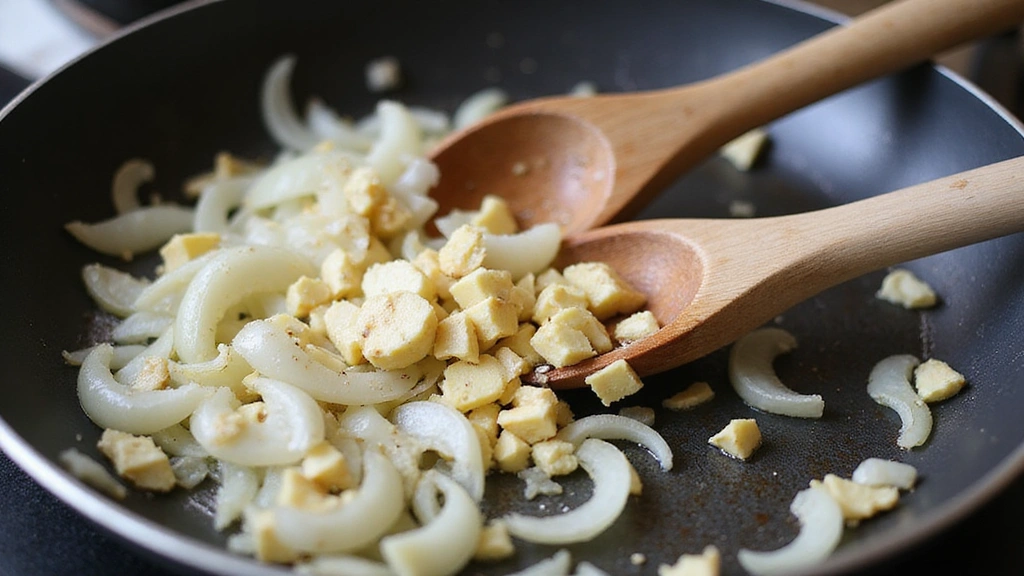
Heat olive oil in a large skillet over medium heat.
Add the chopped onion and cook until translucent.
Stir in the minced garlic and grated ginger.
Cook until fragrant, about 2 minutes.
Step 3: Add Spices

Add cumin, coriander, garam masala, and turmeric to the skillet.
Stir continuously for 1-2 minutes to toast the spices.
Watch for the spices to darken slightly and release their aroma.
Ensure the spices do not burn by keeping the heat moderate.
Step 4: Incorporate Tomatoes

Pour in the crushed tomatoes and tomato paste.
Stir well to combine with the spices.
Bring the mixture to a gentle simmer.
Cook for 5 minutes, stirring occasionally.
Step 5: Blend the Sauce
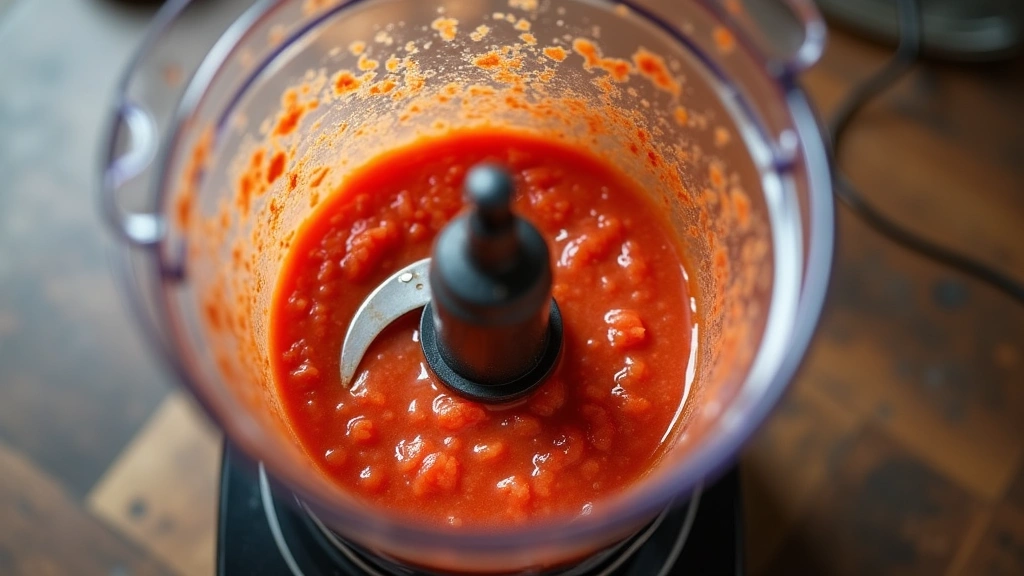
Carefully transfer the tomato mixture to a blender.
Blend until smooth and creamy.
Return the sauce to the skillet.
Ensure the sauce is evenly blended with no chunks.
Step 6: Simmer the Sauce
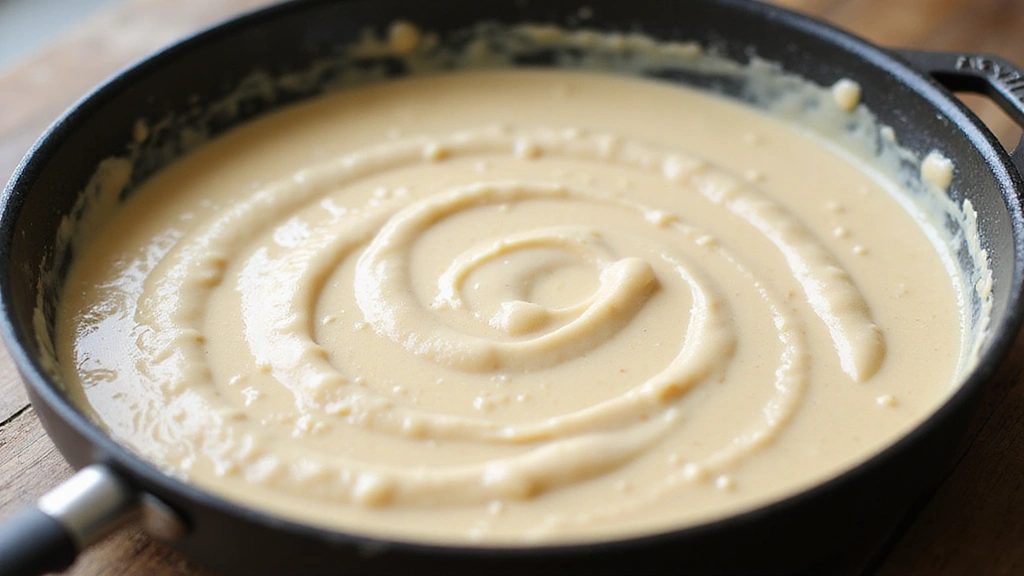
Add the coconut milk to the skillet with the blended sauce.
Stir to combine thoroughly.
Bring to a simmer over low heat.
Allow to cook for 10 minutes, stirring occasionally.
Step 7: Add Chickpeas and Vegetables
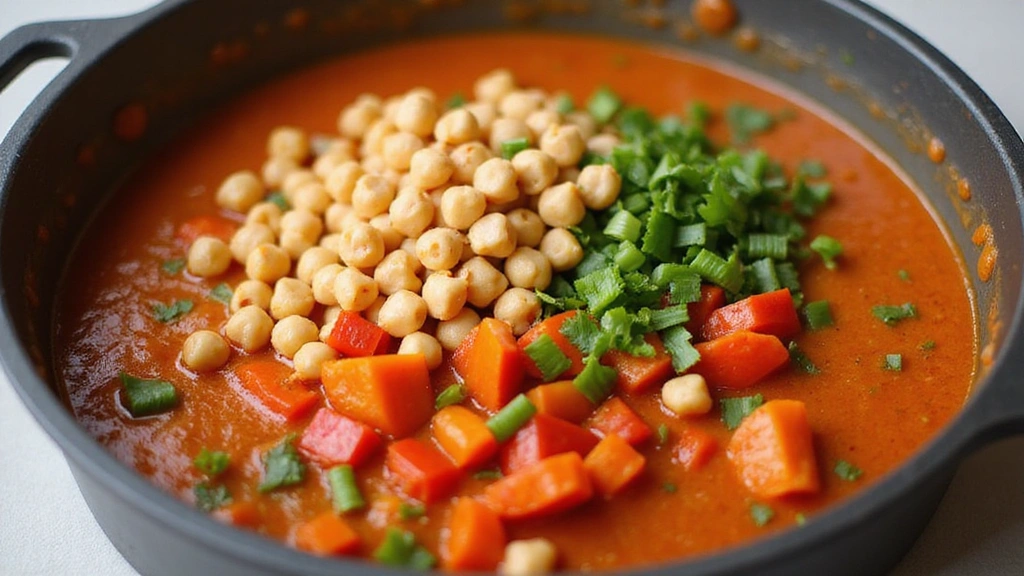
Add cooked chickpeas and diced bell pepper to the sauce.
Stir to incorporate all ingredients evenly.
Continue to simmer for 10 minutes.
Ensure the chickpeas are heated through and bell peppers are tender.
Step 8: Final Seasoning and Serve
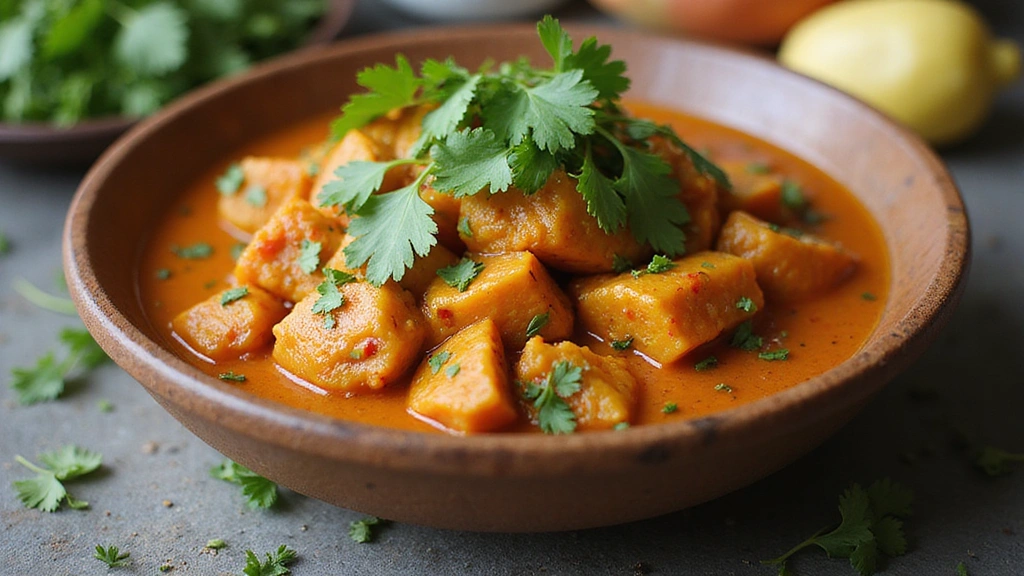
Taste the dish and adjust seasoning with salt and sugar as needed.
Stir well to ensure all flavors are balanced.
Serve hot, garnished with fresh cilantro if desired.
Enjoy the vibrant, aromatic Vegan Chickpea Tikka Masala.
Vegan Chickpea Tikka Masala (Cozy Plant-Powered Dinner)
Ingredients
Method
- Chop onion finely, mince garlic, and grate ginger. Measure all spices and set aside.
- Heat olive oil in a large skillet over medium heat. Add onion and cook until translucent. Stir in garlic and ginger; cook until fragrant, about 2 minutes.
- Add cumin, coriander, garam masala, and turmeric. Stir continuously for 1–2 minutes until fragrant and lightly toasted.
- Add crushed tomatoes and tomato paste. Simmer for 5 minutes, stirring occasionally, until thickened slightly.
- Transfer sauce to a blender and blend until smooth. Return to skillet for further cooking.
- Add coconut milk to the blended sauce. Stir to combine and simmer over low heat for 10 minutes.
- Add chickpeas and diced bell pepper. Stir and simmer for another 10 minutes until chickpeas are heated through and peppers tender.
- Adjust seasoning with salt and sugar. Serve hot, garnished with fresh cilantro and lime wedges.
Nutrition
Critical Timing and Temperature Guide
Sautéing Aromatics: Cook onions until translucent, about 5 minutes, over medium heat. Avoid high heat to prevent burning garlic.
Simmering Sauce: Maintain a gentle simmer, not a boil, for 10 minutes to meld flavors. Stir occasionally to prevent sticking.
Final Simmer with Chickpeas: Ensure chickpeas are fully heated, simmer for 10 minutes. Watch for sauce thickening too much; add water if necessary.
Pro Tips for Vegan Chickpea Tikka
• Ingredient Selection: Choose ripe, juicy tomatoes for the sauce; they provide natural sweetness and depth.
• Preparation Secret: Toast spices in oil before adding liquid to unlock their full flavor potential.
• Temperature Management: Keep coconut milk at room temperature before adding to prevent curdling.
• Texture Enhancement: Use a high-speed blender for the smoothest sauce texture.
• Flavor Layering: Introduce spices at different stages to build complexity and depth.
• Make-Ahead Strategies: Prepare sauce in advance, store in the fridge for up to 3 days. Reheat gently before serving.
• Restaurant-Quality Finishing Touches: Garnish with fresh cilantro and a squeeze of lime for added freshness.
• Equipment Optimization: Use non-stick pans to prevent sticking and ensure easy cleanup.
Troubleshooting Common Issues
• Texture Too Thick: If the sauce thickens too much, gradually add water or coconut milk until desired consistency is reached.
• Flavors Unbalanced: Taste and adjust seasoning with salt, sugar, or lime juice to balance flavors.
• Spices Burnt: Ensure spices are added to medium heat and stirred constantly to avoid burning.
• Sauce Separating: Keep coconut milk at room temperature before adding to prevent curdling.
• Chickpeas Undercooked: Use pre-cooked or canned chickpeas for consistent results.
• Overpowering Spice: Add coconut milk or plain yogurt to mellow intense spice flavors.
Variations and Regional Differences
• South Indian Variation: Incorporates curry leaves and mustard seeds for a distinctive regional flavor.
• North Indian Style: Uses cashew cream instead of coconut milk for a rich, nutty sauce.
• Western Twist: Adds spinach and kale for a nutritious, green version of the dish.
• Street Food Version: Served with flatbread or naan, often spiced with additional chaat masala.
Food Science Behind the Recipe
• Maillard Reaction: The browning of onions and garlic enhances flavor through the Maillard reaction, creating complex, savory notes.
• Emulsification: Coconut milk provides a creamy texture by emulsifying with the tomato sauce.
• Spice Solubility: Spices dissolve better in oil, releasing their full flavor potential during the tempering process.
Frequently Asked Questions
What's the most common mistake people make when preparing Vegan Chickpea Tikka Masala? Overcooking the spices, which can lead to bitterness. Always toast them gently over medium heat.
Can I use dried chickpeas instead of canned? Yes, but they must be soaked and cooked beforehand to ensure tenderness.
Is there a substitute for coconut milk? Almond or soy milk can be used, but they may alter the creaminess slightly.
How can I make the dish less spicy? Reduce the amount of garam masala and add more coconut milk to mellow the heat.
Can this dish be frozen? Yes, allow it to cool completely before transferring to airtight containers for freezing.
What can I serve with Vegan Chickpea Tikka Masala? Serve with basmati rice, quinoa, or naan for a complete meal.
How do I achieve the best consistency for the sauce? Blend thoroughly and simmer gently to allow the sauce to thicken naturally.
Serving and Presentation Guide
• Traditional Presentation: Serve in a deep dish, garnished with fresh cilantro and a wedge of lime on the side.
• Modern Plating: Plate over a bed of basmati rice with a sprinkle of toasted chickpeas for crunch.
• Family Style: Serve in a large bowl for communal sharing, accompanied by a basket of warm naan.
• Individual Bowls: Portion into smaller bowls for a tapas-style presentation, paired with other Indian-inspired small plates.
Conclusion
Vegan Chickpea Tikka Masala offers a delightful blend of spices and creaminess that is both satisfying and nourishing.
Whether you're a seasoned cook or new to plant-based cuisine, this recipe is sure to become a staple in your culinary repertoire.
Share this cozy dish with friends and family, and enjoy the warmth it brings to your table.


I love chickpeas, and this recipe sounds amazing! Do you think it would work well with other beans too?
I tried making tikka masala once, and my kitchen looked like a spice explosion! At least the food was tasty, though! 😂
Did you know that chickpeas are packed with protein and fiber? They’re like little powerhouses in a can!