Authentic Clotted Cream Recipe: How to Make Traditional British Cream at Home
Traditional Homemade Clotted Cream Recipe
Indulgent, velvety clotted cream is the quintessential accompaniment to British scones and a cornerstone of the traditional cream tea experience. This luxurious spread has a rich heritage in the counties of Devon and Cornwall, where it’s been crafted for centuries using the simplest of ingredients – just good quality cream!
:max_bytes(150000):strip_icc()/AR-257734-chef-johns-clotted-cream-DDMFS-step-6-baa0237145ab44808e566bd7bba7832b.jpg)
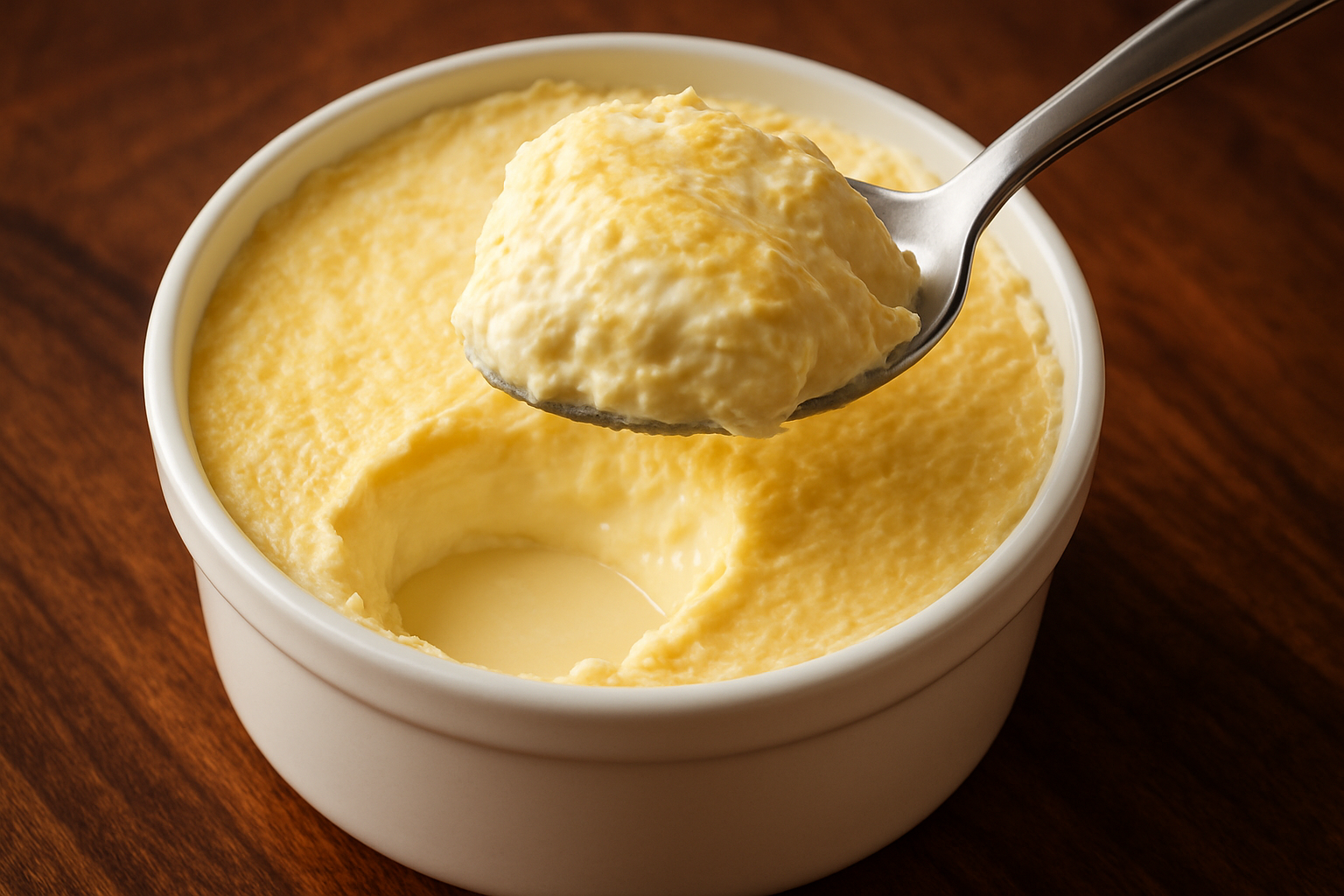
This homemade clotted cream recipe transforms fresh heavy cream into a decadent, spreadable delight through a slow, gentle heating process. The result is a thick, rich cream with a distinctive golden crust that’s perfect for spreading on warm scones alongside your favorite preserves. While it requires patience, the hands-on time is minimal, and the results are absolutely worth the wait!
What Is Clotted Cream?
Clotted cream is a thick, spreadable cream made by gently heating unpasteurized cow’s milk and allowing it to cool slowly. During this process, the cream rises to the surface and “clots,” forming a thick layer with a distinctive yellow crust. With a butterfat content of around 55-64%, it’s richer than whipped cream or even butter cream, offering an incomparable silky texture and subtle sweetness.
The Secret to Perfect Clotted Cream at Home
While traditional British clotted cream is made with unpasteurized cream, this recipe adapts the process for the modern kitchen using standard heavy cream. The key is finding cream that’s not ultra-pasteurized, as the ultra-pasteurization process can prevent proper clotting.
Essential Ingredients for Authentic Clotted Cream
- 4 cups good-quality heavy cream (not ultra-pasteurized)
Kitchen Equipment You’ll Need
- Shallow baking dish (glass or ceramic works best)
- Oven thermometer (to verify temperature)
- Fine mesh strainer (optional)
- Airtight container for storage
Step-by-Step Clotted Cream Instructions
- Preheat your oven to 175-180°F (80°C). This low temperature is crucial for proper clotting.
- Pour the heavy cream into a shallow baking dish. The cream should be about 1-2 inches deep for optimal results.
- Place the dish, uncovered, in the preheated oven and leave it for 12 hours. Overnight works perfectly!
- After 12 hours, carefully remove the dish without agitating it. You should see a yellowish crust has formed on top.
- Allow the cream to cool at room temperature for about 1 hour.
- Cover the dish and refrigerate for at least 8 hours, or ideally overnight.
- Once chilled, gently skim off the thick layer of clotted cream and transfer it to an airtight container.
- Stir the cream gently to create a consistent texture, incorporating the golden crust throughout.
Serving Suggestions for Your Homemade Clotted Cream
Clotted cream shines brightest when served as part of a traditional British cream tea. Pair it with:
- Freshly baked scones – still warm from the oven
- Strawberry or raspberry jam – the classic accompaniment
- A pot of strong English breakfast tea
For a true Devonshire cream tea experience, split your scone in half, spread with clotted cream first, then top with jam. If you prefer the Cornish method, spread jam first, then top with a generous dollop of clotted cream!
Beyond Cream Tea: Creative Uses for Clotted Cream
- Serve alongside fresh berries for an elegant dessert
- Use as a decadent topping for apple or fruit pies
- Incorporate into homemade ice cream for extra richness
- Add a dollop to hot chocolate for a luxurious treat
Storage Tips for Fresh Clotted Cream
Your homemade clotted cream will keep in the refrigerator for up to 5 days when stored in an airtight container. The leftover liquid from the clotting process can be used in baking recipes, pancakes, or for making scrambled eggs extra creamy!
Nutrition Information (per serving):
- Calories: 411 kcal
- Fat: 44g
- Saturated Fat: 27g
- Carbohydrates: 3g
- Protein: 2g
- Cholesterol: 163mg
- Sodium: 45mg
Troubleshooting Your Clotted Cream
Not thick enough? Your oven temperature may have been too low, or you might have used ultra-pasteurized cream.
Too firm or grainy? The oven temperature might have been too high. Next time, check with an oven thermometer.
No yellow crust formed? This typically happens with ultra-pasteurized cream. Look for cream labeled just “pasteurized” or “heavy cream” without the “ultra” designation.
Why Make Homemade Clotted Cream?
- Authenticity: Experience the real taste of traditional British teatime
- Quality control: You know exactly what goes into it – just cream!
- Availability: Clotted cream can be hard to find outside the UK
- Impressive: Wow your guests with this specialty that few make at home
FAQs About Making Clotted Cream
Can I use ultra-pasteurized cream?
While traditional recipes call for non-ultra-pasteurized cream, you can try with ultra-pasteurized if that’s all you can find. Results may vary, and you might get a thinner consistency.
Is clotted cream the same as Devonshire cream?
Yes! Devonshire cream is simply clotted cream that’s been made in Devon, England.
Can I make clotted cream in a slow cooker?
Yes, some recipes use a slow cooker on the “warm” setting instead of an oven. The process remains similar – low, slow heating followed by cooling and refrigeration.
How long does homemade clotted cream last?
When properly refrigerated in an airtight container, it typically lasts up to 5 days.
Making clotted cream at home is a delightful journey into British culinary tradition. Though it requires patience, the actual hands-on time is minimal, and the result is a luxurious treat that’s nearly impossible to find in American stores. Whether paired with scones for a proper afternoon tea or used to elevate your favorite desserts, homemade clotted cream is sure to impress both family and guests alike!
Recipe adapted from Chef John’s Clotted Cream
Traditional Homemade Clotted Cream
Ingredients
Method
- Preheat your oven to 175-180°F (80°C). This low temperature is crucial for proper clotting.
- Pour the heavy cream into a shallow baking dish. The cream should be about 1-2 inches deep for optimal results.
- Place the dish, uncovered, in the preheated oven and leave it for 12 hours. Overnight works perfectly!
- After 12 hours, carefully remove the dish without agitating it. You should see a yellowish crust has formed on top.
- Allow the cream to cool at room temperature for about 1 hour.
- Cover the dish and refrigerate for at least 8 hours, or ideally overnight.
- Once chilled, gently skim off the thick layer of clotted cream and transfer it to an airtight container.
- Stir the cream gently to create a consistent texture, incorporating the golden crust throughout.