
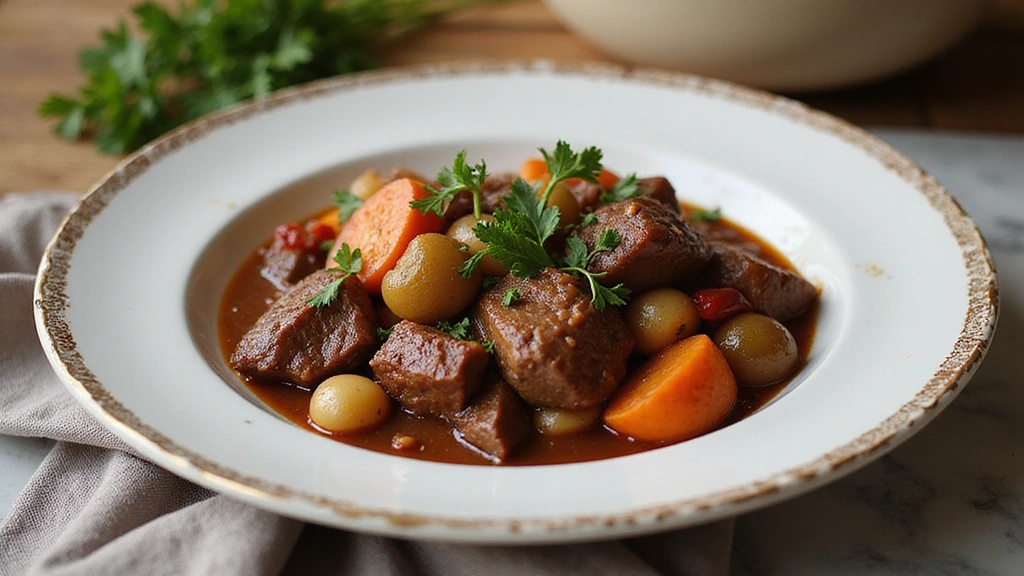
Classic Beef Stew Recipe: Tender Meat and Flavorful Veggies
The classic Beef Stew brings together centuries of culinary tradition with modern techniques to create a dish that’s both comforting and elegant.
The harmonious balance of tender meat and flavorful veggies creates a memorable dining experience that will have everyone asking for your secret.
I discovered this recipe during my travels through the heart of Europe, where local chefs have perfected it through generations of careful refinement.
Whether you’re preparing a casual family dinner or hosting a special celebration, this Beef Stew delivers impressive results with straightforward preparation.
The History and Cultural Significance
• Beef Stew Recipe: traces its origins to medieval Europe, where it was originally created by using slow-cooking methods to tenderize tough cuts of meat.
• The dish evolved over decades as spices and new vegetables were introduced, eventually becoming the beloved version we know today.
• In many European cultures, this dish traditionally appears at family gatherings, symbolizing warmth and togetherness.
• While many variations exist across different regions, the authentic version maintains a hearty, comforting flavor that sets it apart from imitations.
Recipe Overview
Nutritional Information (per serving)
Essential Equipment Guide
Heavy-Duty Dutch Oven: A Dutch oven is crucial for achieving the deep, rich flavors characteristic of a classic beef stew. Its heavy bottom ensures even heat distribution and retention, preventing scorching. You might use a large saucepan as an alternative, but the results won’t be as consistent. Look for a model with a tight-fitting lid to lock in moisture.
Sharp Chef’s Knife: A sharp knife is essential for efficiently preparing ingredients. It allows for precise cuts, ensuring even cooking. A dull knife can be dangerous and lead to uneven pieces that might cook at different rates. Consider a high-carbon stainless steel option for durability.
Wooden Spoon: A sturdy wooden spoon is perfect for stirring the stew without scratching your cookware. It also doesn’t conduct heat, keeping your hands safe. While a metal spoon might work, it can affect the flavor and scratch your pot. Choose one with a comfortable grip for long stirring sessions.
Ingredients
For the Base
|
|
| Amount | Ingredient | Notes |
|---|---|---|
| 2 tablespoons | olive oil | for browning meat |
| 2 pounds | beef chuck | cut into 1-inch cubes |
Vegetables
| Amount | Ingredient | Notes |
|---|---|---|
| 1 large | onion | finely chopped |
| 3 cloves | garlic | minced |
| 3 medium | carrots | sliced |
| 2 large | potatoes | diced |
Seasonings
| Amount | Ingredient | Notes |
|---|---|---|
| 1 teaspoon | salt | enhances flavor |
| 1 teaspoon | black pepper | adds depth |
| 2 tablespoons | tomato paste | for richness |
Liquids
| Amount | Ingredient | Notes |
|---|---|---|
| 4 cups | beef broth | for a savory base |
| 1 cup | red wine | adds complexity |
Preparation Methods
Browning the Meat: Browning the meat is essential to develop a deep, complex flavor. This involves searing the beef cubes on high heat until a crust forms. It not only locks in juices but also adds a caramelized depth to the stew. Ensure the pan is hot and the meat is dry for the best results.
Deglazing the Pan: Deglazing involves adding liquid to a hot pan to lift the flavorful bits stuck to the bottom. This step is crucial for incorporating all the flavors from the browning process into the stew. Use a wooden spoon to scrape the fond, and choose a liquid like red wine for added richness.
Low and Slow Cooking: This technique involves simmering the stew at a low temperature for an extended period. It allows the flavors to meld and the meat to become tender. Maintaining a gentle simmer prevents the meat from becoming tough. Avoid boiling, as it can lead to overcooked vegetables.
Step 1: Prepare Ingredients

Gather all ingredients and measure them accurately.
Chop the onions, mince the garlic, and slice the carrots.
Dice the potatoes into uniform pieces for even cooking.
Cut the beef chuck into 1-inch cubes and pat dry with paper towels.
Step 2: Brown the Meat
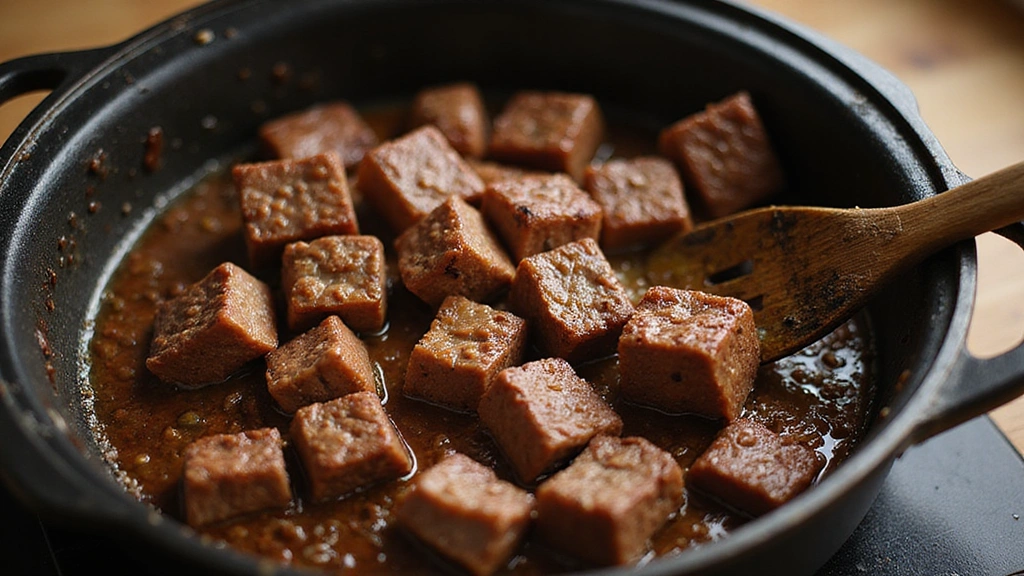
Heat olive oil in a Dutch oven over medium-high heat.
Add the beef cubes in batches to avoid overcrowding.
Sear each side until a golden crust forms, then remove and set aside.
Repeat with all beef pieces, ensuring each batch is evenly browned.
Step 3: Cook the Aromatics

Reduce heat to medium and add onions to the same pot.
Cook until translucent, stirring frequently to prevent burning.
Add minced garlic and continue to sauté until fragrant.
Scrape the bottom of the pan to incorporate browned bits.
Step 4: Deglaze the Pan
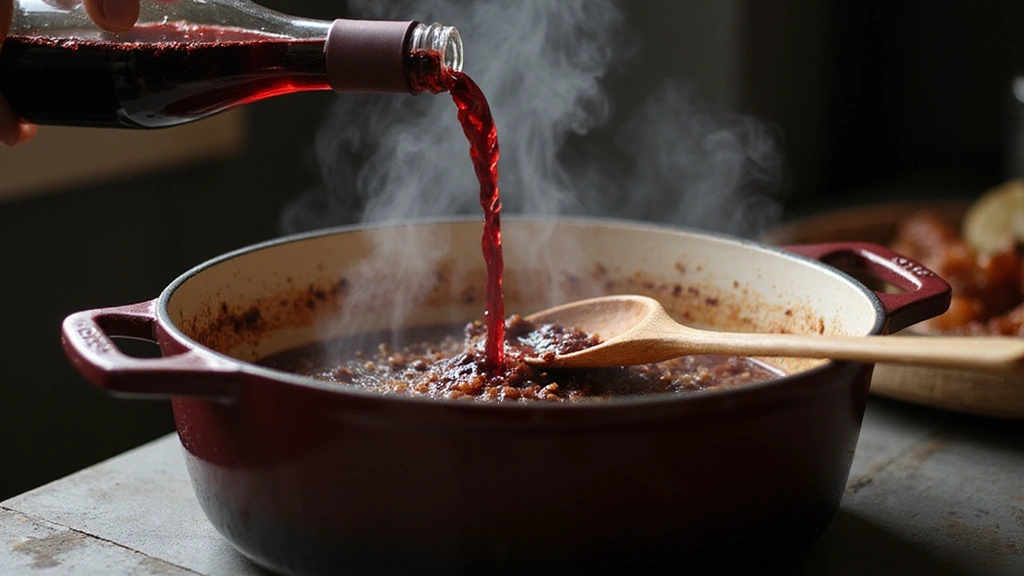
Increase heat and pour in red wine to deglaze the pan.
Use a wooden spoon to scrape up the flavorful bits from the bottom.
Allow the wine to reduce by half, concentrating the flavors.
This step enhances the stew's depth and richness.
Step 5: Add Tomato Paste and Seasonings

Stir in tomato paste, coating the onions and garlic evenly.
Add salt and black pepper to taste, mixing thoroughly.
Cook for a few minutes to caramelize the tomato paste.
This step enhances the stew's umami and richness.
Step 6: Combine Ingredients
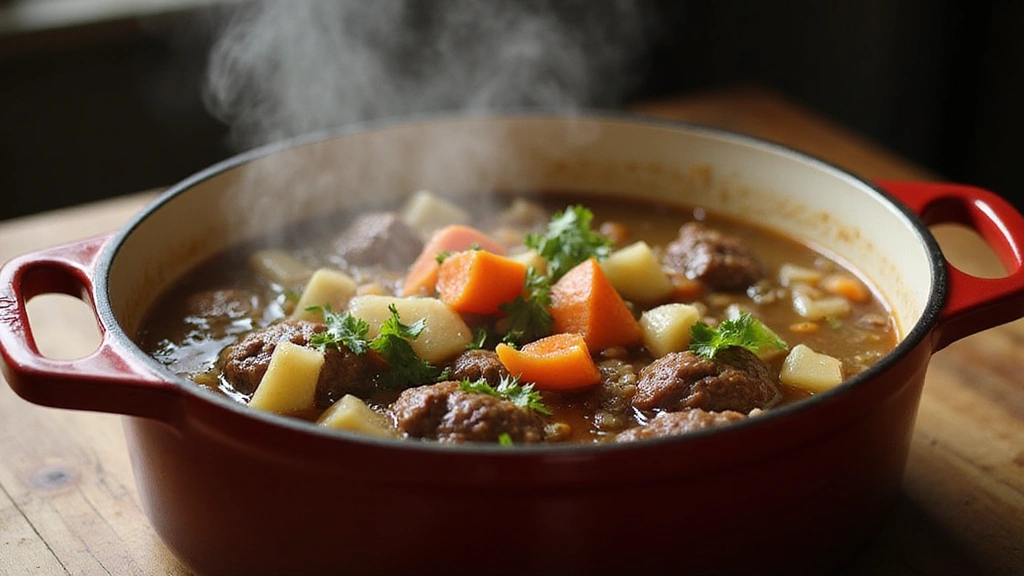
Return the browned beef to the pot, stirring to combine.
Add sliced carrots and diced potatoes, mixing well.
Pour in beef broth, ensuring all ingredients are submerged.
Bring the mixture to a gentle simmer over medium heat.
Step 7: Simmer the Stew
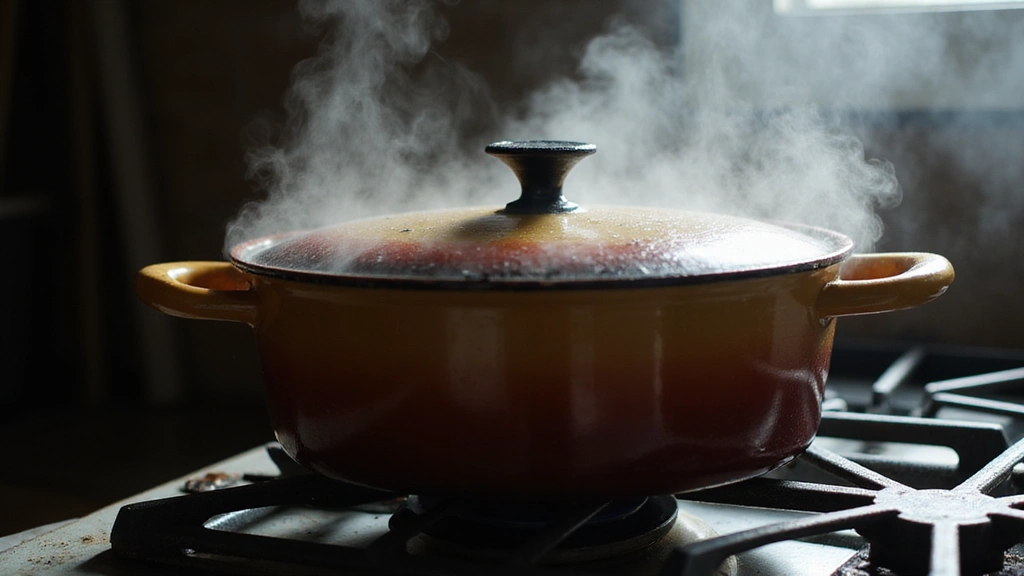
Reduce heat to low, maintaining a gentle simmer.
Cover the pot with a tight-fitting lid to trap moisture.
Cook for 2 hours, occasionally stirring to prevent sticking.
Check the meat for tenderness; it should easily fall apart.
Step 8: Finish and Serve

Once the stew has thickened and flavors melded, remove from heat.
Taste and adjust seasoning with additional salt or pepper if needed.
Ladle the stew into bowls, garnishing with fresh herbs.
Serve hot with crusty bread or over mashed potatoes.
Critical Timing and Temperature Guide
Browning the Meat: Sear each side of the beef cubes for 3-4 minutes over medium-high heat until a deep brown crust forms. Avoid crowding the pan, as this can cause steaming instead of browning.
Simmering: Maintain a gentle simmer at around 180°F (82°C) for approximately 2 hours. The stew should never boil vigorously, as this can toughen the meat.
Vegetable Doneness: Check for tender vegetables by piercing with a fork after 90 minutes of cooking. They should be soft yet hold their shape, indicating they are perfectly cooked.
Pro Tips for Beef Stew Recipe
• Ingredient Selection: Choose well-marbled beef chuck for the best flavor and tenderness. The fat content is crucial for a rich stew.
• Preparation Secret: Dry the beef cubes thoroughly before browning. This ensures a perfect sear and prevents steaming.
• Temperature Management: Keep your simmer low and steady to allow flavors to develop without overcooking the meat.
• Texture Enhancement: Add a tablespoon of flour to the beef before browning for a thicker, more luxurious stew.
• Flavor Layering: Deglaze with wine and incorporate tomato paste to build a deep, complex flavor profile.
• Make-Ahead Strategies: Prepare the stew a day in advance and refrigerate. The flavors meld and improve overnight. Reheat gently before serving.
• Restaurant-Quality Finishing Touches: Add a splash of balsamic vinegar or a knob of butter before serving for a glossy finish.
• Equipment Optimization: Use a heavy-duty Dutch oven for even cooking and superior heat retention.
Troubleshooting Common Issues
• Texture Too Dense: This usually occurs if the stew is cooked at too high a temperature. Ensure a gentle simmer and avoid boiling to keep the meat tender.
• Flavors Unbalanced: If your stew tastes too acidic or bland, adjust with a pinch of sugar or salt. A small amount of acid like lemon juice can brighten flavors.
• Vegetables Too Mushy: Overcooking causes vegetables to lose structure. Add them halfway through cooking or cut them into larger pieces.
• Stew Too Thin: Thicken by simmering uncovered to allow excess liquid to evaporate, or stir in a slurry of cornstarch and water.
• Lack of Depth in Flavor: Ensure proper browning and deglazing steps aren't skipped. Additional spices like bay leaves or thyme can enhance complexity.
Variations and Regional Differences
• Irish Stew: Uses lamb instead of beef and often includes root vegetables like parsnips and turnips, with a lighter broth base.
• French Boeuf Bourguignon: Incorporates bacon or pancetta and is cooked in a rich red wine sauce, often served with pearl onions and mushrooms.
• Hungarian Goulash: Features sweet paprika as a primary spice, with a thinner consistency, often served with noodles or dumplings.
• Asian-Influenced Beef Stew: Uses soy sauce, ginger, and star anise for a unique flavor profile, often incorporating bok choy or mushrooms.
Food Science Behind the Recipe
• Maillard Reaction: This chemical reaction occurs during the browning of meat, producing complex flavors and aromas that enhance the stew's overall taste.
• Gelatinization of Collagen: Slow cooking breaks down collagen in the beef, turning it into gelatin, which thickens the stew and adds a silky texture.
• Flavor Extraction: Simmering allows the extraction of flavors from bones, vegetables, and spices, creating a cohesive and rich broth.
Frequently Asked Questions
What's the most common mistake people make when preparing Beef Stew? Overcooking or boiling the stew, leading to tough meat and mushy vegetables.
Can I use a slow cooker for this recipe? Yes, using a slow cooker can yield similar results, though browning steps should be done on the stovetop first.
What can I substitute for red wine? You can use additional beef broth with a tablespoon of balsamic vinegar for a similar complexity.
How do I store leftovers? Store in an airtight container in the refrigerator for up to 3 days or freeze for up to 3 months.
Why is my stew not thick enough? Ensure proper browning and use a thickening agent like flour or cornstarch if necessary.
Is it possible to make this stew vegetarian? Yes, replace beef with plant-based protein and use vegetable broth.
What cuts of beef are best for stew? Beef chuck is ideal for its balance of flavor and tenderness when slow-cooked.
Serving and Presentation Guide
• Traditional Presentation: Serve the stew in deep bowls, garnished with fresh parsley or thyme, alongside crusty bread for dipping.
• Modern Twist: Pair with a side of creamy polenta or mashed potatoes for a comforting meal.
• Family-Style: Present in a large, rustic pot at the center of the table for communal serving, encouraging sharing and conversation.
• Elegant Plating: Use a wide, shallow bowl and garnish with microgreens or a drizzle of balsamic reduction for a sophisticated touch.
Conclusion
This classic Beef Stew recipe offers a comforting and flavorful meal that's perfect for any occasion.
By following these detailed steps, you'll achieve tender meat and a rich, savory broth that everyone will love.
I encourage you to try this recipe and enjoy the warmth and satisfaction it brings to your table.




I made a beef stew last week, and my dog gave me the saddest look when I didn’t share any! Why do they think they can have all the good stuff? 😂
Did you know that beef stew has been around for centuries? It’s a classic comfort food in so many cultures! Makes you feel connected to history with every bite.