
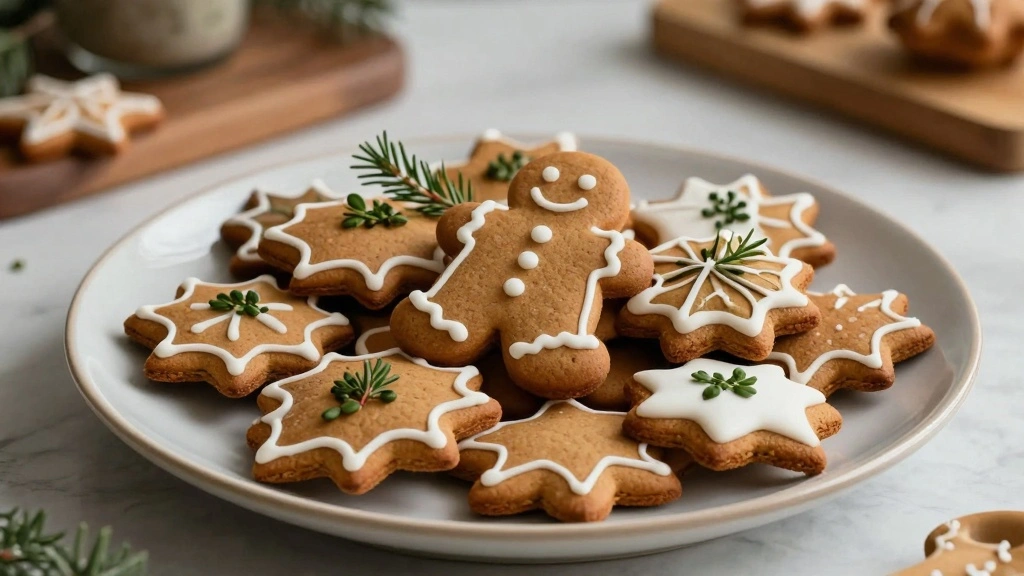
How to Make the Perfect Gingerbread Cookies for the Holidays
The comforting aroma of freshly baked gingerbread cookies signals the arrival of the holiday season.
Each bite offers a perfect balance of warm spices and sweet molasses, creating a delightful taste experience.
For me, making gingerbread cookies is a cherished tradition that brings family and friends together in the kitchen.
Their rich history and cultural significance make them a timeless favorite at holiday gatherings.
Whether you’re a seasoned baker or trying this recipe for the first time, these cookies promise to delight with their festive charm.
Get ready to create a batch of gingerbread cookies that will fill your home with the spirit of the holidays.
The History and Cultural Significance
• The Perfect Gingerbread traces its origins to Europe in the Middle Ages, where it was originally created by European monks.
• The dish evolved over decades as spices like cinnamon and ginger were introduced, eventually becoming the beloved version we know today.
• In Germany, this dish traditionally appears at Christmas markets, symbolizing warmth and togetherness.
• While many variations exist across different regions, the authentic version maintains its distinctive spicy-sweet flavor that sets it apart from imitations.
Recipe Overview
Nutritional Information (per serving)
You Might Also Like
Essential Equipment Guide
Rolling Pin: A sturdy rolling pin is essential for achieving the perfect thickness for your cookies. Alternatives like a wine bottle can work, but a rolling pin with adjustable rings ensures uniform thickness.
Cookie Cutters: These are important for creating fun, holiday-themed shapes. While you can use a knife in a pinch, cookie cutters provide precision and ease.
Silicone Baking Mat: This tool prevents sticking and ensures even baking. Parchment paper is a good alternative, but silicone mats are reusable and provide consistent results.
Ingredients
Dry Ingredients
|
|
| Amount | Ingredient | Notes |
|---|---|---|
| 3 cups | all-purpose flour | provides structure |
| 1 teaspoon | baking soda | leavening agent |
| 1/2 teaspoon | salt | enhances flavor |
| 1 tablespoon | ground ginger | warm spice |
| 1 teaspoon | ground cinnamon | adds spiciness |
| 1/2 teaspoon | ground cloves | adds depth |
Wet Ingredients
| Amount | Ingredient | Notes |
|---|---|---|
| 3/4 cup | unsalted butter | softened, adds richness |
| 3/4 cup | brown sugar | adds sweetness |
| 1 large | egg | binds ingredients |
| 1/2 cup | molasses | adds color and flavor |
| 1 teaspoon | vanilla extract | enhances flavor |
Preparation Methods
Creaming Butter and Sugar: This technique involves beating butter and sugar together until light and fluffy. It incorporates air into the dough, which helps create a tender cookie. Use a stand mixer for best results.
Chilling Dough: Chilling the dough for at least an hour is crucial for preventing the cookies from spreading too much during baking. It also enhances the flavor as the spices meld together.
Rolling and Cutting: Roll the dough evenly to about 1/4 inch thick for consistent baking. Use cookie cutters to create shapes, and place them on a lined baking sheet.
Step 1: Prepare Dry Ingredients
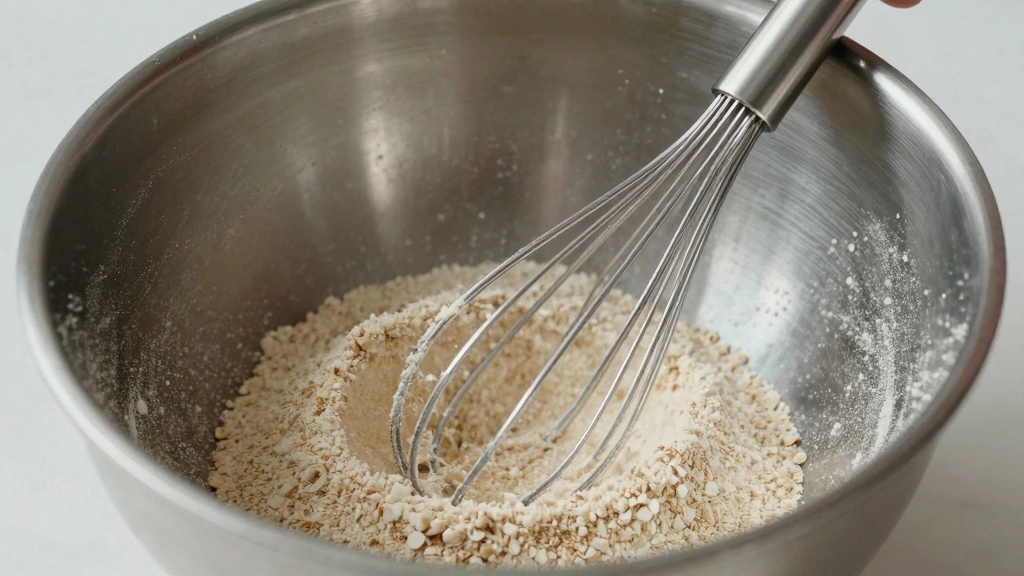
Combine flour, baking soda, salt, ginger, cinnamon, and cloves in a large bowl.
Whisk the dry ingredients until well blended.
Ensure there are no clumps in the mixture.
Set aside for later use.
Step 2: Cream Butter and Sugar
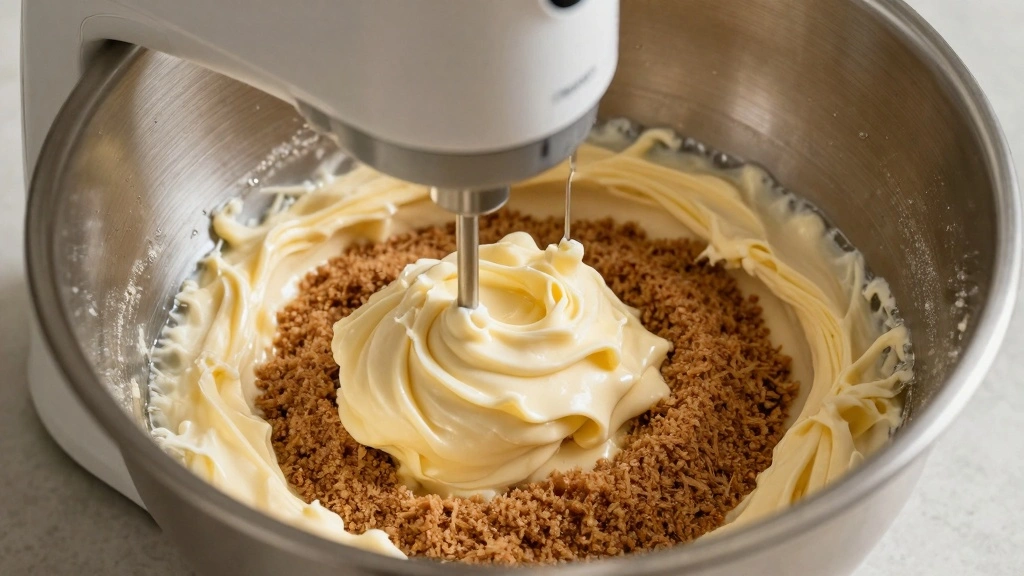
Place softened butter and brown sugar in a mixing bowl.
Beat with an electric mixer until light and fluffy.
The mixture should be pale in color.
Scrape down the sides of the bowl if necessary.
Step 3: Add Wet Ingredients
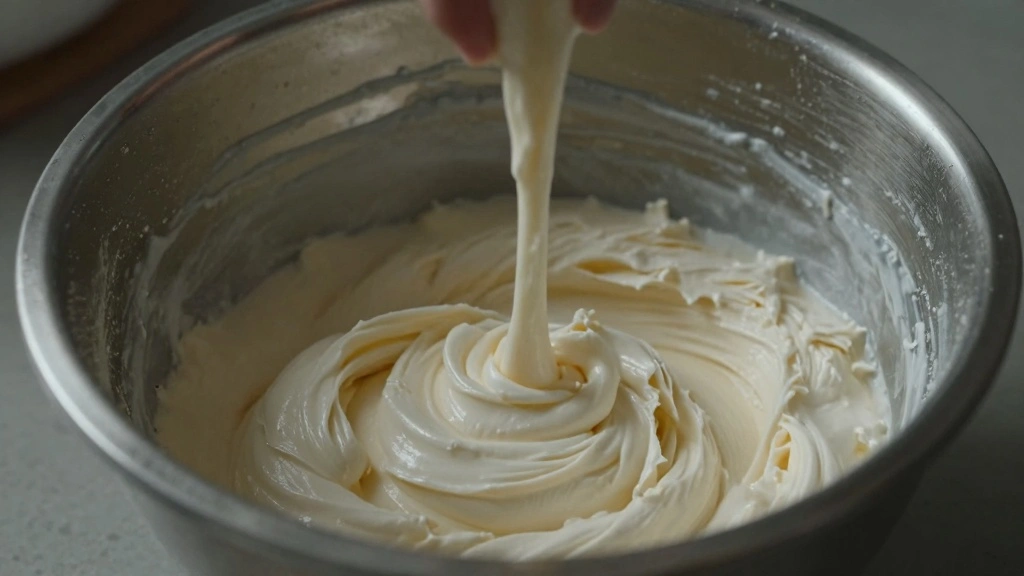
Add the egg, molasses, and vanilla extract to the creamed mixture.
Mix until fully incorporated.
The mixture should be smooth and homogenous.
Ensure no visible streaks of molasses remain.
Step 4: Combine Wet and Dry Ingredients
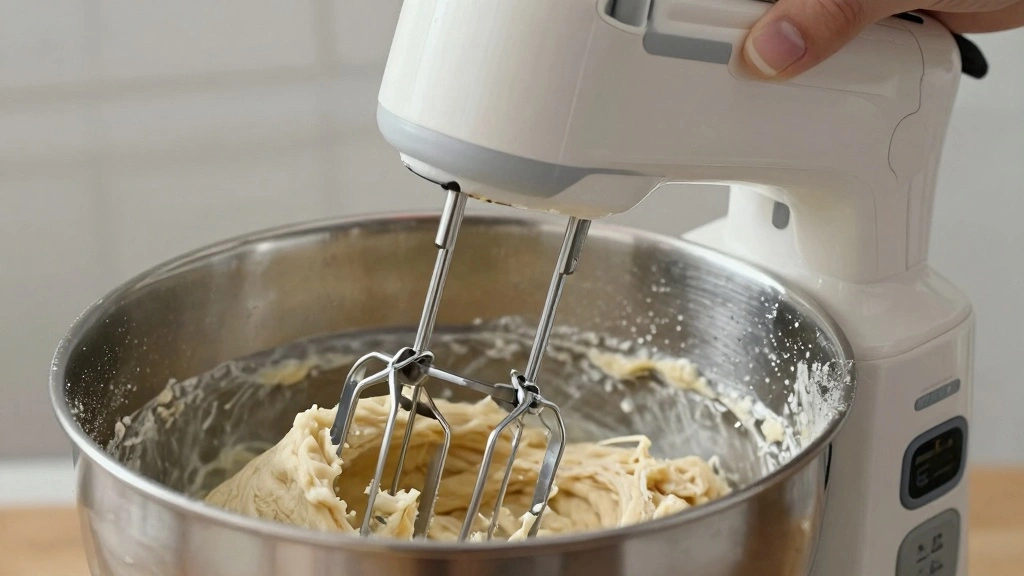
Gradually add the dry ingredients to the wet mixture.
Mix on low speed until a dough forms.
Do not overmix the dough.
The dough should be slightly sticky but firm.
Step 5: Chill the Dough
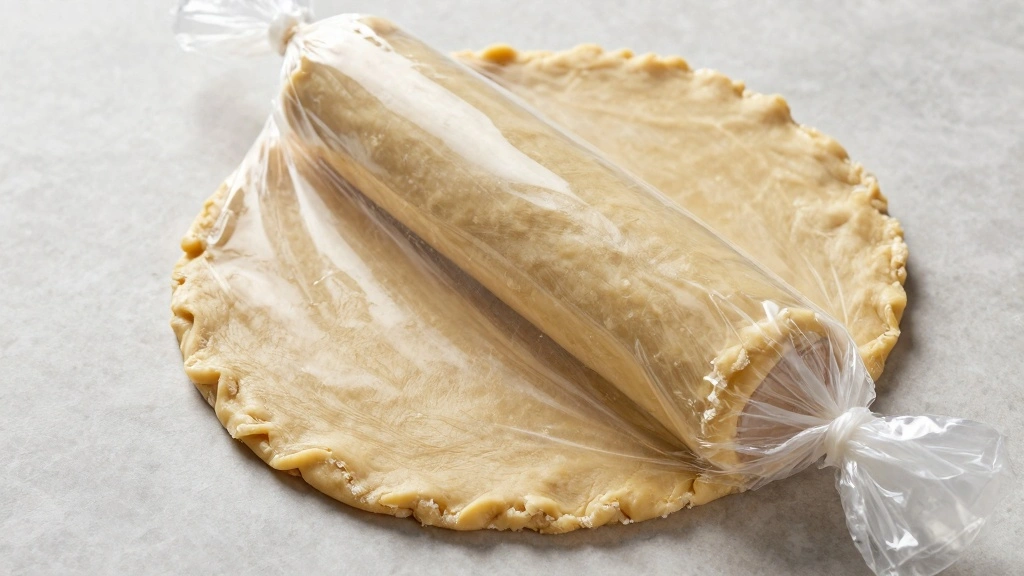
Wrap the dough in plastic wrap.
Refrigerate for at least 1 hour.
Chilling helps the dough firm up and prevents spreading during baking.
The dough should be firm to the touch.
Step 6: Roll the Dough
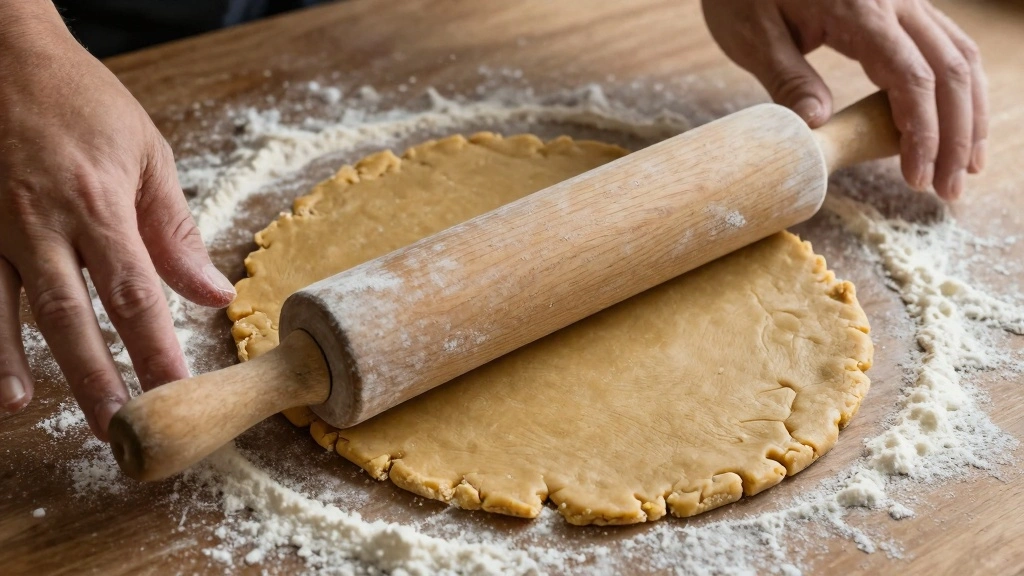
Preheat the oven to 350°F (175°C).
Roll out the chilled dough on a floured surface to 1/4 inch thickness.
Ensure even thickness throughout for uniform baking.
Dust the rolling pin with flour to prevent sticking.
Step 7: Cut Out Cookies
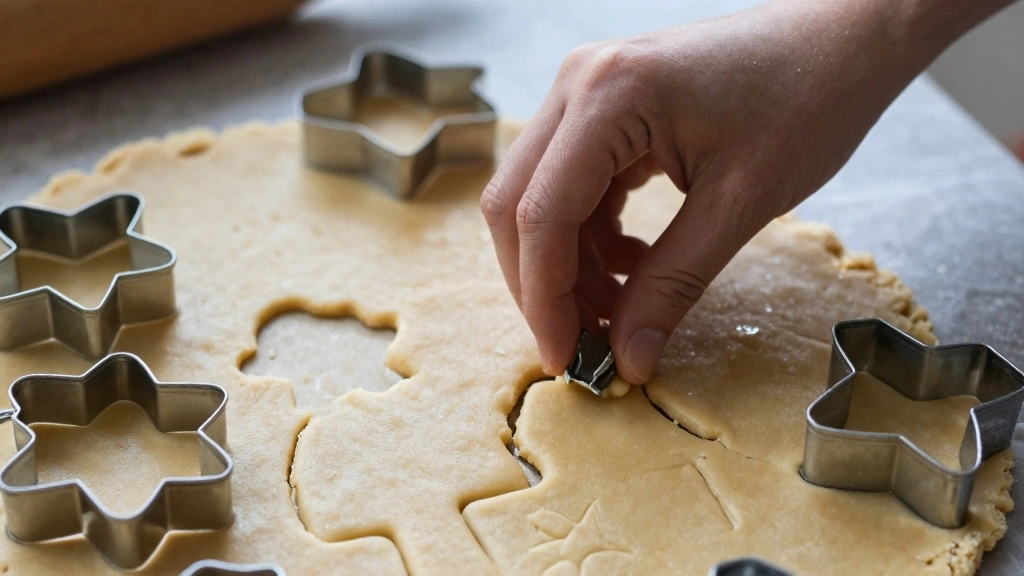
Use cookie cutters to cut out shapes.
Place cutouts on a baking sheet lined with a silicone mat.
Leave about 1 inch between each cookie.
Gather scraps and re-roll as needed.
Step 8: Bake the Cookies
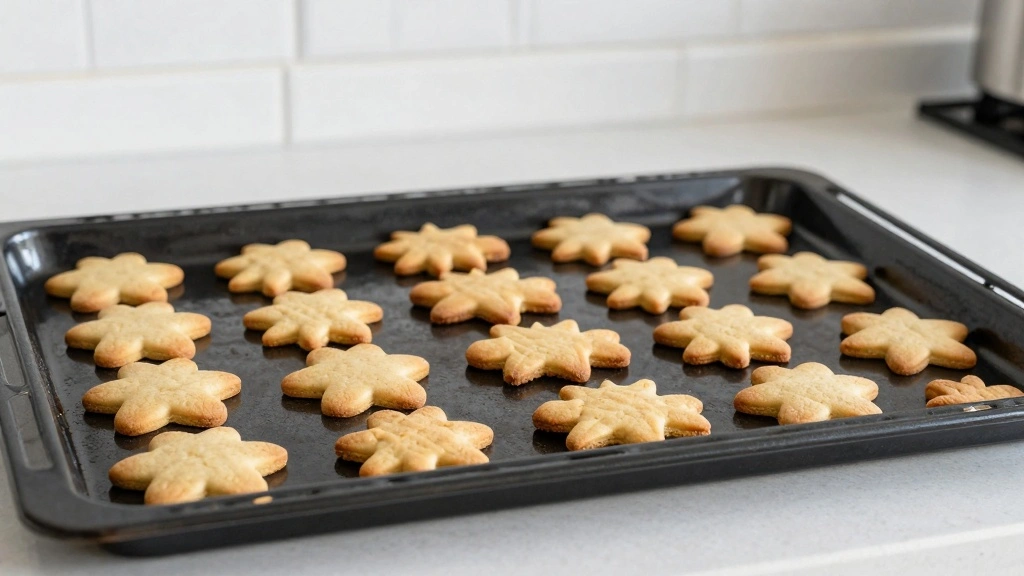
Bake in the preheated oven for 10-12 minutes.
Cookies are done when edges are firm and centers are set.
Do not overbake to avoid hard cookies.
Cool on the baking sheet for a few minutes before transferring to a wire rack.
Critical Timing and Temperature Guide
Creaming Butter and Sugar: Beat for 2-3 minutes at medium speed. Look for a pale, fluffy texture. Avoid overbeating, which can cause the butter to separate.
Baking Cookies: Bake at 350°F (175°C) for 10-12 minutes. Edges should be firm, and centers should be set. Overbaking results in hard cookies.
Chilling Dough: Chill for at least 1 hour. Dough should be firm to the touch. Insufficient chilling leads to excessive spreading during baking.
Pro Tips for the Perfect Gingerbread
• Ingredient Selection: Use fresh spices for the best flavor. Old spices can lose potency, resulting in bland cookies.
• Preparation Secret: Allow the dough to rest overnight in the fridge for deeper flavor development.
• Temperature Management: Ensure all ingredients are at room temperature before starting.
• Texture Enhancement: Roll the dough evenly to avoid uneven baking.
• Flavor Layering: Include a pinch of black pepper for a subtle, spicy kick.
• Make-Ahead Strategies: Prepare dough in advance and freeze. Thaw in the fridge before baking.
• Restaurant-Quality Finishing Touches: Dust cookies with powdered sugar or decorate with royal icing for a festive touch.
• Equipment Optimization: Use a silicone baking mat for even heat distribution and easy cleanup.
Troubleshooting Common Issues
• Texture Too Dense: Caused by overmixing the dough. Avoid overworking the dough and ensure proper creaming of butter and sugar.
• Cookies Spread Too Much: Dough was too warm or not chilled sufficiently. Chill dough longer and use a cold baking sheet.
• Flavors Unbalanced: Spices were not fresh or measured inaccurately. Always use fresh spices and measure precisely.
• Cookies Too Hard: Overbaking is the culprit. Bake just until edges are firm but centers are still soft.
• Dough Too Sticky: Insufficient flour or butter too warm. Add a bit more flour and ensure butter is properly softened, not melted.
• Uneven Baking: Oven temperature may be inconsistent. Use an oven thermometer to ensure accurate baking temperatures.
Variations and Regional Differences
• German Lebkuchen: This version uses honey instead of molasses and includes nuts and candied fruits for a chewy texture.
• Swedish Pepparkakor: Known for its crispness and often includes cardamom. Typically thinner than traditional gingerbread.
• American Ginger Snaps: Smaller and crisper, often with added black pepper for extra spice.
• Polish Pierniki: Contains a blend of spices and is often glazed with chocolate or sugar icing.
Food Science Behind the Recipe
• Creaming Method: Creaming butter and sugar incorporates air, creating a tender texture. The sugar crystals cut into the butter, creating pockets of air.
• Maillard Reaction: The browning on the cookies' edges is due to the Maillard reaction, which develops complex flavors as proteins and sugars react under heat.
• Role of Molasses: Molasses not only adds flavor but also moisture, contributing to the cookie's chewiness.
Frequently Asked Questions
What's the most common mistake people make when preparing gingerbread cookies? Overbaking is a common issue, leading to hard cookies. Always check for doneness by ensuring edges are firm but centers are soft.
Can I substitute molasses with another sweetener? Yes, but the flavor will change. Dark corn syrup or honey can be used, but they lack the depth molasses provides.
How can I make the cookies softer? Reduce the baking time slightly and ensure proper creaming of butter and sugar.
Can I freeze the dough? Yes, wrap it tightly in plastic wrap and freeze for up to 3 months. Thaw in the fridge before baking.
Why do my cookies taste bland? This might be due to stale spices. Always use fresh spices for the best flavor.
Is it necessary to chill the dough? Yes, chilling helps prevent spreading and develops the flavors.
How do I prevent cookies from sticking to the baking sheet? Use a silicone baking mat or parchment paper to prevent sticking.
Serving and Presentation Guide
• Traditional Presentation: Serve cookies on a festive holiday platter with a light dusting of powdered sugar.
• Gift Presentation: Pack cookies in decorative tins or boxes lined with parchment paper for a thoughtful holiday gift.
• Decorative Display: Arrange cookies on a tiered stand for a visually appealing centerpiece.
• Pairing Suggestions: Serve with a warm cup of hot cocoa or spiced tea to complement the flavors.
Conclusion

Gingerbread cookies are a delightful holiday treat that brings warmth and joy to any gathering.
With this recipe, you'll create cookies that are both delicious and festive.
Gather your ingredients, follow the steps, and enjoy the process of baking these traditional treats.
Share them with loved ones, and let the holiday spirit fill your home.



I love making gingerbread cookies with my kids every holiday! We always end up with more frosting on ourselves than on the cookies. What’s your favorite holiday baking memory?
That sounds like such a fun tradition, Susie! I love the idea of frosting fights-they’re the best part of baking with kids! One of my favorite holiday baking memories is when my family and I made a massive gingerbread house together, and we ended up with more candy decorations on ourselves than on the house! It was a sticky, sweet disaster, but we laughed the whole time!
Your recipe looks amazing! I tried making gingerbread once, and let’s just say, the kitchen looked like a flour bomb went off. Why did the cookie go to the doctor? Because it felt crumby!