

Festive Holiday Sugar Cookies: Cut-Outs That Are Fun to Decorate!
There’s something truly magical about baking festive holiday sugar cookies that brings the warmth of the season into your home.
These delightful cut-outs are not only delicious but also incredibly fun to decorate, making them perfect for gatherings with family and friends.
Each bite offers a sweet, buttery flavor that can be customized with vibrant icing and colorful sprinkles.
Whether you’re a seasoned baker or a novice in the kitchen, these cookies will bring joy and creativity to your holiday celebrations.
The History and Cultural Significance
• Festive Holiday Sugar Cookies trace their origins to Germany in the early 19th century, where they were traditionally baked for Christmas celebrations.
• The dish evolved over decades as families began to personalize their recipes, incorporating different flavors and decorations, eventually becoming the beloved version we know today.
• In many Western cultures, these cookies traditionally appear at holiday gatherings, symbolizing joy, togetherness, and the spirit of giving.
• While many variations exist across different regions, the authentic version maintains a soft, buttery texture and a simple icing that sets it apart from imitations.
Recipe Overview
Nutritional Information (per serving)
Ingredients
Essential Equipment Guide
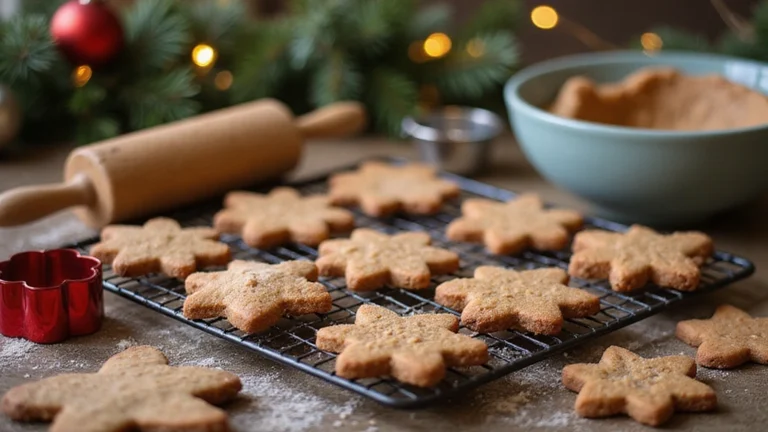
Rolling Pin: A sturdy rolling pin is crucial for achieving an even thickness when rolling out your dough. Look for one with a comfortable grip and a weight that suits your style of baking. Alternatives like a wine bottle can work in a pinch, but a dedicated rolling pin provides better control.
Cookie Cutters: These come in various shapes and sizes, perfect for creating festive designs. Choose a set with sharp edges for clean cuts. Silicone or stainless steel options are popular; avoid plastic ones that may bend or break easily.
Parchment Paper: Essential for easy cookie transfer and to prevent sticking on baking sheets. It helps achieve an even bake and keeps your cookies from burning. If you don’t have parchment paper, consider using a silicone baking mat as an alternative.
Preparation Methods
Chilling the Dough: Chilling the dough is essential for maintaining its shape while baking. It helps the butter solidify, preventing the cookies from spreading too much. Aim for at least 1 hour in the refrigerator, but overnight is even better for the best results.
Rolling Out Dough: Properly rolling out the dough ensures even cookies. Use a lightly floured surface and roll from the center outwards to maintain an even thickness. Aim for about 1/4 inch thickness to allow for soft yet sturdy cookies.
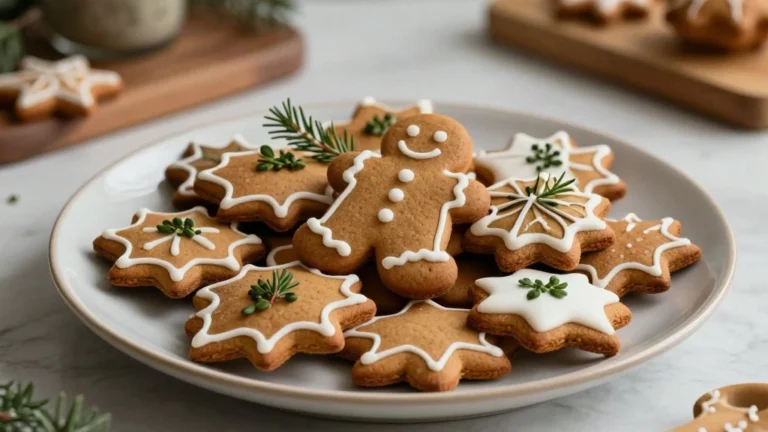
Decorating: Decorating your cookies is where creativity shines. Use a piping bag for precise designs, or simply drizzle icing on with a spoon for a more casual look. Let the icing set for at least 30 minutes before stacking or storing.
Step 1: Prepare Ingredients

Gather all your ingredients together before you start.
Ensure your butter is softened to room temperature for easy mixing.
Measure out your flour, sugar, baking powder, and salt accurately.
Having everything ready will streamline the process and prevent any last-minute scrambles.
Step 2: Mix Dry Ingredients

In a large mixing bowl, combine the flour, baking powder, and salt.
Whisk these dry ingredients together until well blended.
This ensures even distribution of the baking powder for consistent rising.
Set the bowl aside while you prepare the wet ingredients.
Step 3: Cream Butter and Sugar

In a separate bowl, cream together the softened butter and sugar until light and fluffy.
Use an electric mixer on medium speed for about 2-3 minutes.
This process incorporates air into the mixture, leading to a lighter cookie texture.
Scrape down the sides of the bowl as needed to ensure everything is well combined.
Step 4: Add Egg and Vanilla

Once the butter and sugar are creamed, add in the egg and vanilla extract.
Beat on low speed until fully incorporated.
This adds moisture and flavor to the cookie dough.
Make sure there are no visible streaks of egg before proceeding.
Step 5: Combine Wet and Dry Ingredients

Gradually add the dry ingredients to the wet mixture.
Mix on low speed until just combined; be careful not to overmix.
The dough should come together but remain a little crumbly.
If it seems too dry, a tablespoon of milk can be added to help it bind.
Step 6: Chill the Dough

Once the dough is combined, shape it into a disc and wrap it in plastic wrap.
Refrigerate for at least 1 hour or overnight for the best results.
Chilling helps solidify the butter and prevents excessive spreading while baking.
Do not skip this step if you want perfectly shaped cookies.
Step 7: Preheat the Oven

Preheat your oven to 350°F (175°C) during the chilling time.
This ensures that when the cookies go in, they start baking immediately for the best texture.
Prepare your baking sheets by lining them with parchment paper.
Make sure the oven is fully preheated before placing the cookies inside.
Step 8: Roll Out the Dough

After chilling, take out the dough and let it sit for about 5 minutes to soften slightly.
On a floured surface, roll out the dough to about 1/4 inch thickness.
Use cookie cutters to cut out shapes, and place them on the prepared baking sheets.
Make sure to leave space between each cookie for even baking.
Step 9: Bake the Cookies

Bake the cookies in the preheated oven for 8-10 minutes.
Look for the edges to be lightly golden while the centers remain soft.
Do not overbake, as cookies will continue to firm up after removing from the oven.
Allow them to cool on the baking sheet for a few minutes before transferring them to a wire rack.
Step 10: Prepare the Icing

While the cookies cool, prepare the icing by whisking together powdered sugar, milk, and vanilla extract.
Adjust the consistency by adding more milk if too thick or more powdered sugar if too thin.
You want the icing to be pourable but thick enough to hold its shape when piped.
Divide the icing into bowls and add food coloring as desired.
Step 11: Decorate the Cookies

Once the cookies are completely cool, it’s time to decorate.
Use piping bags or simple spoons to drizzle icing over the cookies.
Add sprinkles, edible glitter, or other decorations while the icing is still wet.
Let the decorated cookies rest until the icing sets completely.
Step 12: Serve and Enjoy!

Once the icing is set, your festive holiday sugar cookies are ready to serve.
Arrange them on a decorative platter or pack them in festive boxes for gifting.
Enjoy with a glass of milk or share them with friends and family.
These cookies not only taste great but also spread holiday cheer!
Festive Holiday Sugar Cookies
Ingredients
Method
- Preheat the oven to 350°F (175°C). Line baking sheets with parchment paper and set aside.
- In a bowl, whisk together flour, baking powder, and salt. Set aside.
- In another large bowl, cream butter and sugar together until light and fluffy, about 2-3 minutes using an electric mixer.
- Add egg and vanilla extract to the creamed mixture. Beat until combined.
- Gradually mix dry ingredients into the wet ingredients until a soft dough forms. If dough feels too dry, add 1 tablespoon of milk.
- Shape the dough into a disc, wrap in plastic wrap, and chill for at least 1 hour or overnight.
- Roll out chilled dough on a lightly floured surface to 1/4 inch thickness. Cut into desired shapes using cookie cutters.
- Place cookies on prepared baking sheets and bake for 8-10 minutes until edges are lightly golden. Cool on a wire rack.
- Prepare icing by whisking powdered sugar, milk, and vanilla until smooth. Adjust consistency as needed.
- Once cookies are completely cool, decorate with icing, sprinkles, and colored sugars. Allow icing to set before stacking or storing.
Nutrition
Critical Timing and Temperature Guide
Baking Time: Bake cookies at 350°F (175°C) for 8-10 minutes. Look for edges that are lightly golden and centers that are soft but not doughy. Overbaking can lead to hard cookies, so keep an eye on them as time approaches.
Cooling Time: Let cookies cool on the baking sheet for 5 minutes before transferring to a wire rack. This helps them set and makes them easier to move without breaking. If they are too soft, give them an extra minute or two on the baking sheet.
Icing Setting: Allow decorated cookies to sit at room temperature for at least 30 minutes to an hour for the icing to fully set. Humidity can affect drying time, so adjust as needed.
Pro Tips for Festive Holiday Sugar Cookies
• Ingredient Selection: Use high-quality butter for richer flavor and texture. Opt for pure vanilla extract over imitation for a more authentic taste.
• Preparation Secret: Chilling the dough is a crucial step that many overlook; it prevents spreading and helps maintain cookie shapes.
• Temperature Management: Ensure your butter is softened but not melted; this affects how well it incorporates with sugar.
• Texture Enhancement: For a softer cookie, slightly underbake them and let them cool on the sheet.
• Flavor Layering: Experiment with adding spices like nutmeg or cinnamon to the dough for a festive twist.
• Make-Ahead Strategies: You can make the dough ahead of time and freeze it for up to 3 months; just thaw before rolling out.
• Restaurant-Quality Finishing Touches: Use a variety of sprinkles or edible glitter for a professional look.
• Equipment Optimization: Invest in a good quality rolling pin and cookie cutters for the best results.
Troubleshooting Common Issues
• Cookies Spread Too Much: This usually occurs if the dough isn’t chilled adequately. Ensure you refrigerate the dough for at least 1 hour before rolling out.
• Cookies Too Hard: If cookies turn out hard, they may have been overbaked. Check them at the lower end of the baking time.
• Icing Too Runny: This can happen if too much milk is added. Start with a small amount and gradually add more powdered sugar to thicken.
• Dough Crumbly: If the dough is too crumbly, it may need more moisture. Add a teaspoon of milk at a time until it comes together.
• Sticking to Cutters: Flour the cookie cutters before use to prevent sticking. If the dough is too warm, it may also stick more, so keep it chilled.
• Uneven Baking: Ensure your oven is calibrated correctly, and rotate the baking sheets halfway through baking for even results.
Variations and Regional Differences
• Italian Anisette Cookies: These cookies incorporate anise extract for a distinct flavor and are often glazed with a sweet icing, providing a unique twist on the traditional recipe.
• Mexican Wedding Cookies: Known for their nutty flavor and powdered sugar coating, these cookies differ by using ground nuts and are rolled into balls rather than cut-outs.
• American Gingerbread Cookies: A spiced variation that adds ginger and molasses for a deeper flavor profile, often decorated elaborately during the holiday season.
• Modern Interpretations: Gluten-free versions of sugar cookies can be made using almond flour or gluten-free all-purpose blend, catering to dietary restrictions while keeping the essence of the original.
Food Science Behind the Recipe
• Creaming Butter and Sugar: This process incorporates air into the batter, leading to a light and fluffy cookie texture. It’s crucial for achieving the right consistency in baked goods.
• Chilling the Dough: Chilling solidifies the fats in the dough, which helps prevent spreading during baking and results in cookies that hold their shape.
• Maillard Reaction: This chemical reaction between amino acids and reducing sugars gives baked goods their golden color and complex flavors, which is essential for cookies.
Frequently Asked Questions
What’s the most common mistake people make when preparing Festive Holiday Sugar Cookies? The most common mistake is not chilling the dough, which leads to excessive spreading during baking. Always allow enough time for the dough to chill.
Can I prepare components of this dish in advance? Yes, you can prepare the dough in advance and freeze it. Just wrap it tightly in plastic and store it for up to 3 months. Thaw in the refrigerator before rolling out.
How do I adapt this recipe for dietary restrictions? To make gluten-free cookies, substitute all-purpose flour with a gluten-free blend and ensure that other ingredients are also gluten-free.
What’s the best way to store and reheat leftovers? Store cookies in an airtight container at room temperature for up to a week. No reheating is necessary, but if you prefer them warm, pop them in the microwave for a few seconds.
Can I freeze this dish? Yes, baked cookies freeze well. Place them in a single layer in a freezer-safe container, separating layers with parchment paper. Thaw at room temperature when ready to enjoy.
What wine or beverages pair best with this dish? A glass of milk is a classic pairing, but a sweet dessert wine or hot chocolate also complements the sweetness of the cookies.
How can I scale this recipe up for a crowd? Simply double or triple the ingredients as needed. Keep in mind to adjust baking time slightly if baking multiple trays at once.
What side dishes complement this recipe best? Sugar cookies are best enjoyed on their own, but serving them with a fruit platter or alongside a warm beverage adds to the festive experience.
How do professional chefs elevate this dish for restaurant service? Professional chefs often add unique flavor infusions, such as citrus zests or liqueurs, and use high-quality decorative elements like edible gold leaf for an upscale presentation.
Serving and Presentation Guide
• Traditional Presentation: Arrange the cookies on a decorative platter with seasonal decorations like holly or festive napkins for a classic touch.
• Modern Plating Ideas: Stack cookies in a clear jar or create a cookie tower with varying heights for visual appeal. Use a rustic wooden board for a contemporary look.
• Accompaniment Suggestions: Serve with a selection of teas, hot cocoa, or a glass of milk for a cozy pairing.
• Special Occasion Presentation: For parties, consider individually wrapping cookies in cellophane bags tied with ribbons for a charming gift presentation.
Conclusion
Baking festive holiday sugar cookies is a cherished tradition that brings joy and creativity to the season.
I encourage you to gather your loved ones and create beautiful memories together in the kitchen.
May your cookies be sweet, your decorations vibrant, and your holidays filled with warmth and cheer.

I love the idea of decorating sugar cookies for the holidays! Last year, my family and I ended up with cookies that looked more like abstract art than anything else. What kind of designs do you usually go for?
These cookies sound delicious! I once tried to make a snowman cookie but ended up with a cookie that looked like a round blob. At least it tasted good! 😂
Shaun Combs: Haha, sometimes it’s all about the taste, right? I’ve definitely had my share of baking mishaps too! Your blob snowman sounds like a unique creation. Keep up the fun baking! 🍪❄️
Did you know that sugar cookies date back to the 1700s? It’s amazing how this simple treat has been around for so long! Can’t wait to try out your recipe!