Quick Irish Soda Bread: A Rustic Homemade Loaf in Under an Hour
Traditional Irish Soda Bread: A Quick & Hearty Homemade Loaf
There’s something magical about the aroma of freshly baked soda bread filling your kitchen. This traditional Irish staple has been warming homes for generations with its rustic charm and incredible simplicity. What makes this recipe so special is that you don’t need yeast or hours of proofing time – just a few basic ingredients and about an hour from start to finish!
:max_bytes(150000):strip_icc()/16947-Amazingly-Easy-Irish-Soda-Bread-DDMFS-4x3-1082-9cb658303de1482bba427f4bcadd4dc6.jpg)
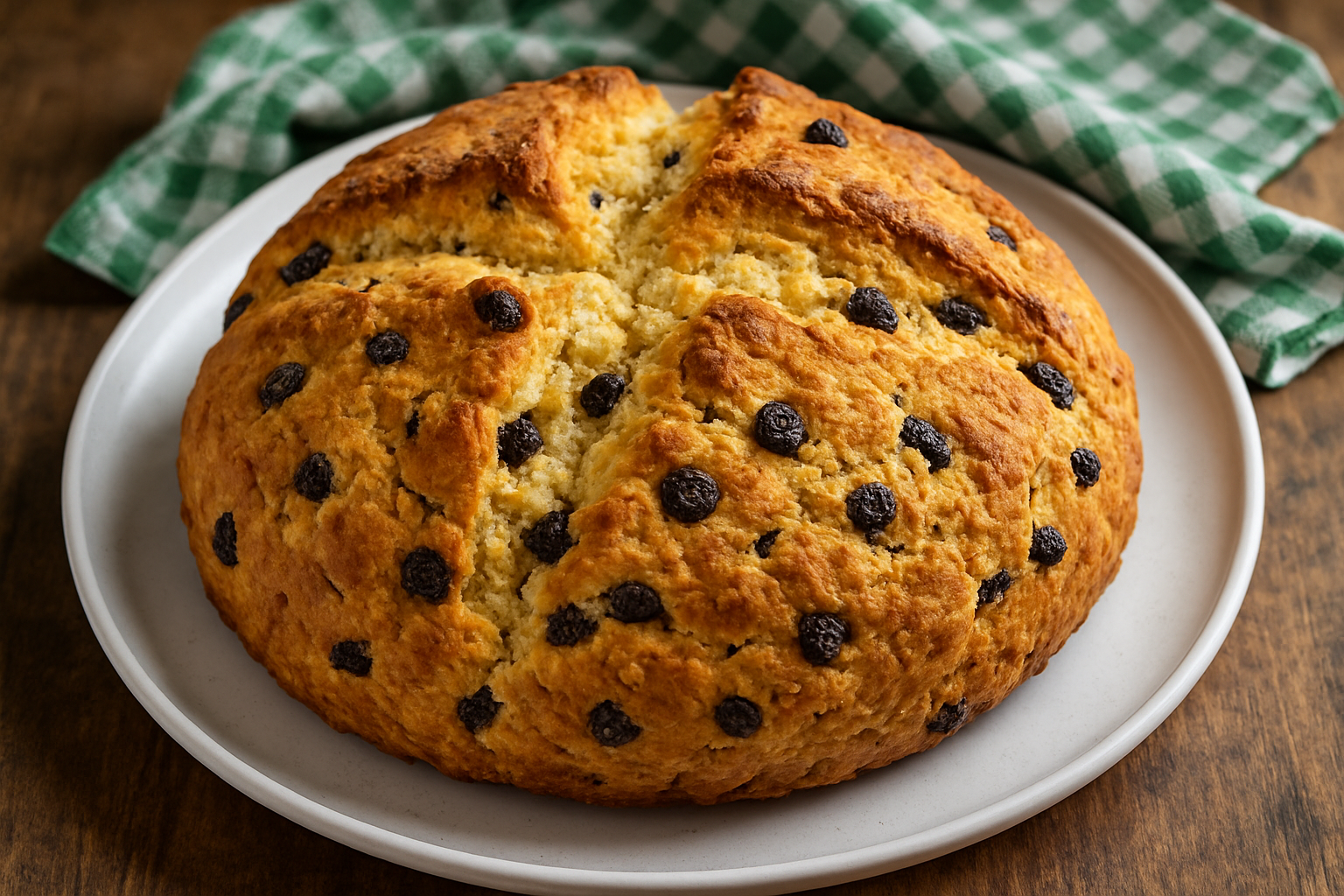
This classic Irish soda bread features a tender, slightly dense interior with a wonderfully crisp crust. The buttermilk gives it a subtle tang while the chemical reaction with baking soda creates the perfect rise without yeast. Whether served with a hearty stew or simply slathered with butter for breakfast, this quick bread never disappoints!
Why You’ll Love This Easy Soda Bread Recipe
Before we dive into the specifics, let me share why this soda bread recipe deserves a spot in your baking rotation:
- No-Fuss Preparation: No kneading or rising time required
- Pantry-Friendly: Uses simple ingredients you likely already have
- Versatile: Perfect alongside soups, stews, or with butter and jam
- Authentic Taste: True to traditional Irish bread-making
- Quick Solution: Fresh bread in under an hour when you’re short on time
Ingredients for Perfect Homemade Soda Bread
- 4 cups all-purpose flour
- 4 tablespoons white sugar
- 1 teaspoon baking soda
- 1 tablespoon baking powder
- 1/2 teaspoon salt
- 1/2 cup butter, softened
- 1 cup buttermilk
- 1 egg
- 1/4 cup butter, melted (for brushing)
- 1/4 cup buttermilk (for brushing)
Ingredient Notes & Substitutions
Don’t have buttermilk on hand? No problem! Make your own by adding 1 tablespoon of lemon juice or white vinegar to 1 cup of regular milk. Let it stand for 5-10 minutes until it begins to curdle slightly.
For a heartier variation, you can substitute 1 cup of the all-purpose flour with whole wheat flour. This adds a nuttier flavor and more rustic texture to your soda bread.
Step-by-Step Instructions for Baking Irish Soda Bread
- Preheat your oven to 375°F (190°C). Lightly grease a large baking sheet or line with parchment paper.
- In a large mixing bowl, whisk together the flour, sugar, baking soda, baking powder, and salt until well combined.
- Using your fingertips or a pastry cutter, work the softened butter into the dry ingredients until the mixture resembles coarse crumbs.
- In a separate bowl, whisk together the buttermilk and egg until smooth.
- Create a well in the center of the flour mixture and pour in the buttermilk mixture. Stir with a wooden spoon until just combined. The dough will be sticky and rough-looking.
- Turn the dough out onto a lightly floured surface and gently knead a few times to form a cohesive ball. Don’t overwork the dough or your bread will be tough.
- Shape the dough into a round loaf and place it on the prepared baking sheet. Using a sharp knife, score an “X” on top of the loaf about 1/2 inch deep. This traditional cut helps the bread bake evenly.
- Mix the 1/4 cup melted butter with 1/4 cup buttermilk and brush the mixture generously over the top of the bread.
- Bake in the preheated oven for 45-50 minutes, or until the loaf is golden brown and sounds hollow when tapped on the bottom.
- Transfer to a wire rack to cool for at least 10 minutes before slicing.
Pro Tips for Perfect Soda Bread
- Don’t overmix or overknead: This activates the gluten and can make your bread tough rather than tender.
- The “X” mark: Beyond being traditional, this slash helps the heat penetrate the center of the thick loaf.
- Check for doneness: Besides the hollow sound test, you can insert a toothpick or skewer in the center – it should come out clean.
- Cooling period: Resist cutting into the bread immediately! Let it cool slightly to allow the interior to set properly.
Delicious Variations to Try with Your Soda Bread
While traditional Irish soda bread is delightful on its own, here are some popular variations to explore:
Sweet Additions
- Raisin Soda Bread: Add 1 cup of raisins or currants to the dry ingredients.
- Orange-Cranberry: Mix in 1 cup dried cranberries and 1 tablespoon orange zest.
- Cinnamon Sugar: Sprinkle the top with cinnamon sugar before baking for a sweet crust.
Savory Options
- Herb & Cheese: Incorporate 1 cup of shredded cheddar and 2 tablespoons of fresh herbs like rosemary or thyme.
- Seeded Soda Bread: Add 3 tablespoons of mixed seeds (sunflower, pumpkin, sesame) to the dough and sprinkle more on top.
- Garlic & Onion: Mix in 2 tablespoons of dried minced garlic and onion for a flavor boost.
Serving Suggestions for Fresh Soda Bread
This versatile bread pairs beautifully with so many dishes and can be enjoyed throughout the day:
- Breakfast: Toasted and topped with butter and honey or jam
- Lunch: Alongside a bowl of tomato soup or Irish stew
- Dinner: As a side to soak up savory gravies and sauces
- Snack: With a selection of cheeses and cold cuts
Storage and Freezing Instructions
Like most homemade breads without preservatives, soda bread is best enjoyed fresh. However, here’s how to store any leftovers:
- Room Temperature: Store in an airtight container or wrapped in foil for up to 2 days.
- Freezing: Wrap cooled bread tightly in plastic wrap, then aluminum foil, and freeze for up to 3 months. Thaw at room temperature and refresh in a 300°F oven for 5-10 minutes before serving.
- Reviving: If the bread becomes stale, sprinkle it lightly with water and heat in a 300°F oven for about 10 minutes.
Nutrition Information
| Nutrient | Amount per Serving |
|---|---|
| Calories | 172 kcal |
| Carbohydrates | 23 g |
| Protein | 3 g |
| Fat | 8 g |
| Saturated Fat | 5 g |
| Cholesterol | 28 mg |
| Sodium | 277 mg |
| Fiber | 1 g |
| Sugar | 3 g |
FAQs About Irish Soda Bread
Why is it called “soda bread”?
The name comes from the use of baking soda (sodium bicarbonate) as the leavening agent instead of yeast. When combined with the acidic buttermilk, it creates carbon dioxide bubbles that make the bread rise.
Why do you put an X on top of soda bread?
The X (or cross) cut into the top of the bread serves practical and traditional purposes. It helps the heat penetrate the thickest part of the bread and allows it to expand properly while baking. In Irish tradition, the cross was also said to “let the fairies out” or to ward off evil and bless the bread.
Can I make soda bread without buttermilk?
The acidity in buttermilk is crucial as it reacts with the baking soda to create rise. If you don’t have buttermilk, you can make a substitute by adding 1 tablespoon of lemon juice or vinegar to 1 cup of regular milk and letting it sit for 5-10 minutes.
How do I know when my soda bread is done baking?
Your soda bread is done when it’s golden brown on top and sounds hollow when you tap the bottom. A skewer or toothpick inserted into the center should come out clean.
Experience the Simple Joy of Homemade Soda Bread Today
From its humble origins to modern dinner tables, soda bread remains a beloved staple for good reason. This easy recipe lets you experience authentic Irish baking without complicated techniques or hard-to-find ingredients. Whether you’re celebrating St. Patrick’s Day or simply craving a warm, homemade loaf, this soda bread delivers comfort and satisfaction with every slice. Give it a try and discover why this centuries-old recipe continues to be cherished around the world!
Traditional Irish Soda Bread: A Quick & Hearty Homemade Loaf
Ingredients
Method
- Preheat your oven to 375°F (190°C). Lightly grease a large baking sheet or line with parchment paper.
- In a large mixing bowl, whisk together the flour, sugar, baking soda, baking powder, and salt until well combined.
- Using your fingertips or a pastry cutter, work the softened butter into the dry ingredients until the mixture resembles coarse crumbs.
- In a separate bowl, whisk together the buttermilk and egg until smooth.
- Create a well in the center of the flour mixture and pour in the buttermilk mixture. Stir with a wooden spoon until just combined. The dough will be sticky and rough-looking.
- Turn the dough out onto a lightly floured surface and gently knead a few times to form a cohesive ball. Don't overwork the dough or your bread will be tough.
- Shape the dough into a round loaf and place it on the prepared baking sheet. Using a sharp knife, score an 'X' on top of the loaf about 1/2 inch deep.
- Mix the 1/4 cup melted butter with 1/4 cup buttermilk and brush the mixture generously over the top of the bread.
- Bake in the preheated oven for 45-50 minutes, or until the loaf is golden brown and sounds hollow when tapped on the bottom.
- Transfer to a wire rack to cool for at least 10 minutes before slicing.