Easy Homemade Crème Fraîche: Authentic French Cream in 2 Simple Steps
Homemade French Crème Fraîche: A Silky Cultured Cream Delight
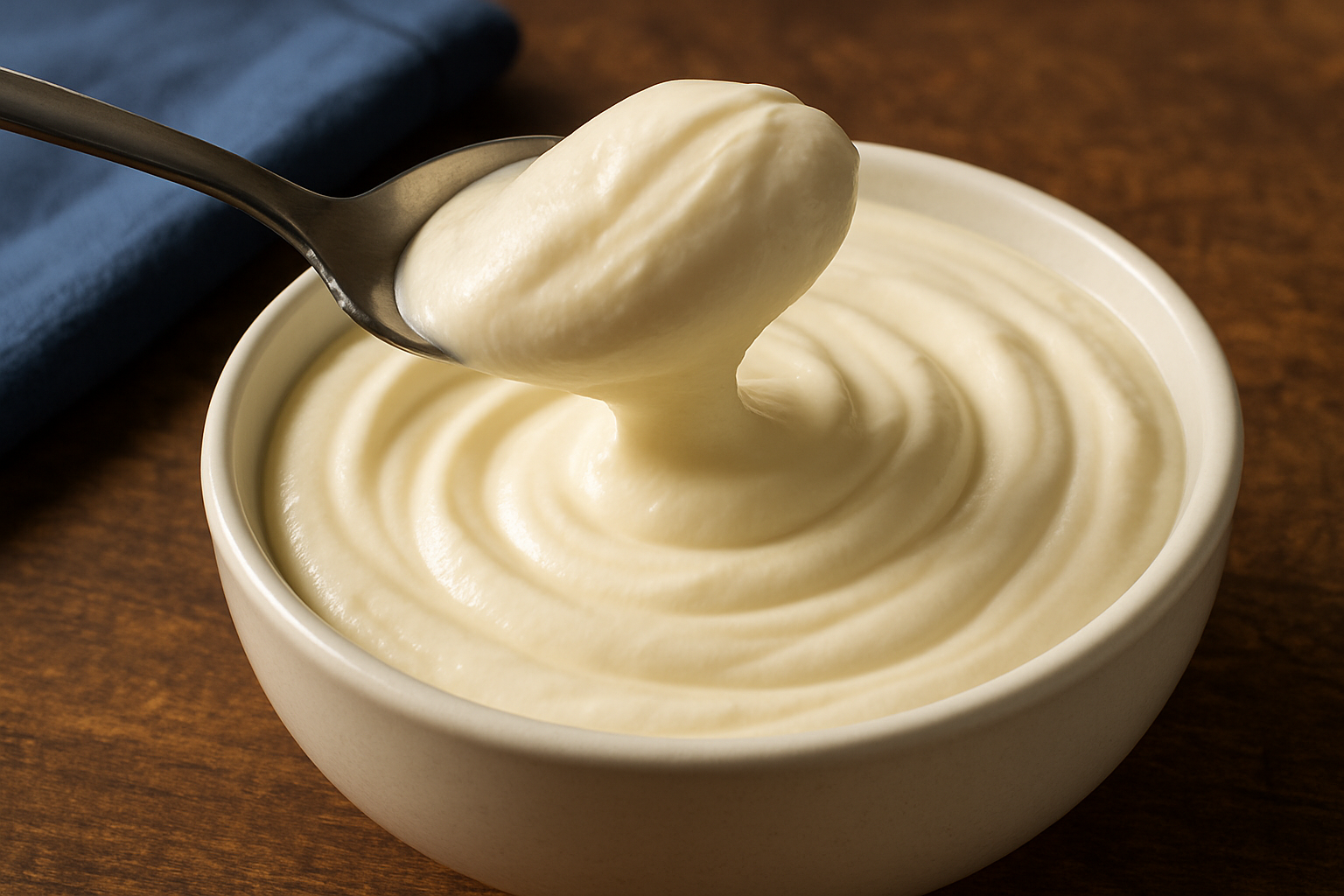
Making crème fraîche at home is surprisingly simple and delivers a luxuriously rich cultured cream that elevates everything from savory dishes to sweet desserts. This French-inspired culinary treasure offers a tangy yet mellow flavor profile that store-bought versions simply can’t match.
:max_bytes(150000):strip_icc()/AR-222387-Chef-Johns-Creme-Fraiche-4x3-1f5c18ea36bf4adda0bc8b2255084a22.jpg)
What is Crème Fraîche?
Crème fraîche (pronounced “krem fresh”) is a cultured dairy product that originated in France. Unlike commercial sour cream, it has a higher fat content (around 30%) which gives it remarkable stability when added to hot foods—it won’t curdle when used in warm sauces or soups. Its velvety texture and subtle tanginess make it the secret ingredient professional chefs rely on.
Why Make Crème Fraîche at Home?
- Superior flavor – fresher and more complex than store-bought alternatives
- Cost-effective – significantly cheaper than pre-made versions
- No additives – pure, natural ingredients you control
- Customizable tanginess – adjust fermentation time to your preference
- Impressive culinary skill – elevate your cooking with this chef-approved technique
Ingredients for Perfect Crème Fraîche
- 2 cups heavy cream (preferably not ultra-pasteurized)
- 2 tablespoons cultured buttermilk
Kitchen Tools You’ll Need
- Glass jar or container with lid
- Whisk or spoon for mixing
- Measuring cups
How to Make Crème Fraîche at Home
- Combine the heavy cream and buttermilk in a clean glass jar or container. Stir well with a whisk or spoon to thoroughly incorporate.
- Cover the container with its lid, but don’t seal it too tightly—the culture needs to breathe a little.
- Leave the mixture at room temperature (around 65-75°F) for 24-48 hours. The warmer the room, the faster it will thicken.
- Check after 24 hours by tilting the container—the cream should be noticeably thickened. For a tangier flavor, allow it to culture for the full 48 hours.
- Once it reaches your desired thickness and tanginess, stir once more and refrigerate. The crème fraîche will continue to thicken slightly in the refrigerator.
- Store in the refrigerator for up to two weeks.
Tips for Crème Fraîche Success
- Use fresh ingredients – The fresher your cream and buttermilk, the better your results
- Avoid ultra-pasteurized cream – While it will work, regular pasteurized cream cultures more reliably
- Be patient – The culturing process takes time; don’t rush it
- Trust your senses – Your crème fraîche should smell pleasantly tangy, not sour or off
- Keep it clean – Use thoroughly cleaned equipment to avoid unwanted bacterial competition
Nutritional Information per Tablespoon
- Calories: 52 kcal
- Fat: 6g
- Saturated Fat: 3g
- Carbohydrates: 1g
- Protein: 0g
- Cholesterol: 20mg
- Sodium: 7mg
- Sugar: 0g
Delicious Ways to Use Crème Fraîche
For Savory Dishes:
- Swirl into hot soups just before serving
- Dollop onto baked potatoes with chives
- Use as a base for luxurious pasta sauces
- Serve alongside smoked salmon and blini
- Top beef stroganoff or other rich stews
For Sweet Treats:
- Accompany fresh berries or fruit compotes
- Whip with a little sugar for cake frosting
- Layer in parfaits with granola and honey
- Serve alongside warm fruit pies or crumbles
- Add to pancake or waffle batter for extra richness
Frequently Asked Questions About Crème Fraîche
Is crème fraîche the same as sour cream?
No, though they’re similar, crème fraîche has a higher fat content (about 30% compared to sour cream’s 20%), making it less prone to curdling in hot dishes. It’s also less tangy and has a smoother, more luxurious texture.
Why isn’t my crème fraîche thickening?
The most common reasons include using ultra-pasteurized cream (which has fewer live bacteria), room temperature being too cool, or buttermilk that isn’t fresh enough. Give it more time or try moving it to a slightly warmer spot.
Can I use yogurt instead of buttermilk?
Yes, you can substitute 2 tablespoons of plain, live-culture yogurt for the buttermilk as your starter culture.
How can I tell if my crème fraîche has gone bad?
Trust your senses. Bad crème fraîche will have an unpleasantly sour smell (different from its normal tangy aroma), may develop mold, or have separated beyond normal. When in doubt, throw it out.
Why You’ll Never Go Back to Store-Bought
Once you’ve experienced the silky texture and complex flavor of homemade crème fraîche, commercial versions simply won’t compare. This simple two-ingredient recipe transforms ordinary cream into a cultured delicacy that will elevate your cooking to restaurant quality with minimal effort. Whether dolloped on soups, folded into sauces, or spooned over desserts, homemade crème fraîche is the versatile French-inspired secret every home cook should master.
Recipe inspired by Chef John’s Crème Fraîche
Homemade French Crème Fraîche: A Silky Cultured Cream Delight
Ingredients
Method
- Combine the heavy cream and buttermilk in a clean glass jar or container. Stir well with a whisk or spoon to thoroughly incorporate.
- Cover the container with its lid, but don't seal it too tightly—the culture needs to breathe a little.
- Leave the mixture at room temperature (around 65-75°F) for 24-48 hours. The warmer the room, the faster it will thicken.
- Check after 24 hours by tilting the container—the cream should be noticeably thickened. For a tangier flavor, allow it to culture for the full 48 hours.
- Once it reaches your desired thickness and tanginess, stir once more and refrigerate. The crème fraîche will continue to thicken slightly in the refrigerator.
- Store in the refrigerator for up to two weeks.