

Butter Chicken (Murgh Makhani) from Scratch
Butter Chicken, also known as Murgh Makhani, is a dish that embodies the richness and depth of Indian cuisine.
Its creamy, spiced tomato sauce envelops tender pieces of chicken, creating a symphony of flavors that is both comforting and indulgent.
The dish’s appeal lies in its ability to balance heat with creaminess, making it a favorite across the globe.
Whether you’re new to Indian cooking or a seasoned pro, this recipe will guide you to recreate an authentic restaurant experience at home.
Perfect for a cozy night in or a festive gathering, Butter Chicken is sure to delight any palate.
Get ready to embark on a culinary journey that brings the heart of India to your kitchen.
The History and Cultural Significance
• Butter Chicken traces its origins to Delhi in the 1950s, where it was originally created by chefs at the famous Moti Mahal restaurant.
• The dish evolved over decades as chefs experimented with spices and the addition of cream, eventually becoming the beloved version we know today.
• In Indian culture, this dish traditionally appears at weddings and festivals, symbolizing hospitality and warmth.
• While many variations exist across different regions, the authentic version maintains a rich, creamy sauce that sets it apart from imitations.
Recipe Overview
Nutritional Information (per serving)
Essential Equipment Guide
Heavy-bottomed Pan: A heavy-bottomed pan ensures even heat distribution, crucial for preventing the sauce from scorching.
An alternative is a cast-iron skillet, which retains heat well.
Look for a pan with a lid to keep moisture in during cooking.
Blender: A blender is essential for achieving the smooth, silky texture of the sauce.
An immersion blender works well if you prefer not to transfer hot liquids.
Select a blender with multiple speed settings for better control.
Marinating Bowl: Use a non-reactive bowl for marinating the chicken to avoid any unwanted flavors leaching into the food.
Glass or stainless steel are great alternatives to plastic.
Ensure the bowl is large enough to allow even coating of the marinade.
Ingredients
For the Chicken Marinade
|
|
| Amount | Ingredient | Notes |
|---|---|---|
| 500 grams | chicken thighs | cut into bite-sized pieces |
| 1 cup | yogurt | adds tenderness |
| 1 tablespoon | ginger-garlic paste | for depth of flavor |
| 1 teaspoon | red chili powder | for heat |
| 1 teaspoon | garam masala | for warmth |
| 1 teaspoon | salt | enhances flavor |
For the Sauce
| Amount | Ingredient | Notes |
|---|---|---|
| 2 cups | tomatoes | pureed |
| 1 cup | heavy cream | adds richness |
| 2 tablespoons | butter | for smooth texture |
| 1 teaspoon | cumin seeds | for earthy aroma |
| 1 tablespoon | sugar | balances acidity |
| 1 teaspoon | fenugreek leaves | crushed, for aroma |
Preparation Methods
Marinating: This process involves coating the chicken in a mixture of yogurt and spices.
Marinating helps tenderize the meat and infuse it with flavor.
Use a non-reactive bowl and allow sufficient time for marinating, ideally overnight.
Sautéing: Sautéing the chicken before adding it to the sauce helps to seal in juices and adds a depth of flavor.
Use high heat and a small amount of oil to achieve a golden brown exterior.
Avoid overcrowding the pan to ensure even cooking.
Blending: Blending the tomato base ensures a silky, smooth sauce.
Cool the mixture slightly before blending to prevent steam build-up.
If using a blender, process in batches for safety.
Step 1: Marinate the Chicken

Combine yogurt, ginger-garlic paste, red chili powder, garam masala, and salt in a bowl.
Add the chicken pieces and mix well to coat evenly.
Cover the bowl with plastic wrap and refrigerate for at least 1 hour or overnight.
This allows the flavors to infuse deeply into the chicken.
Step 2: Sauté the Chicken

Heat a heavy-bottomed pan over medium-high heat and add a tablespoon of oil.
Add the marinated chicken pieces in batches to avoid overcrowding.
Cook until the chicken is golden brown on all sides, about 5-7 minutes.
Remove from the pan and set aside.
Step 3: Prepare the Sauce Base
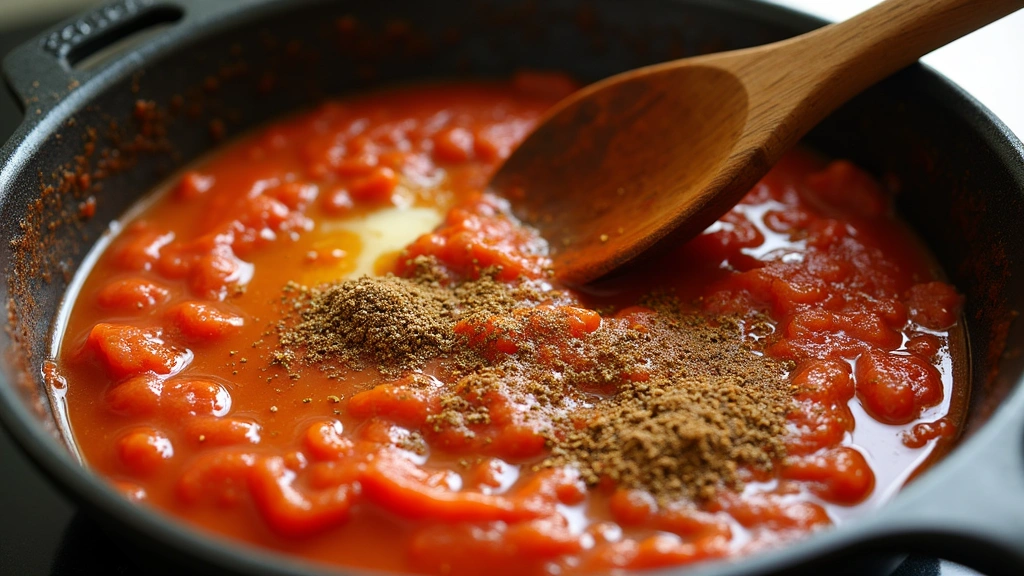
In the same pan, add butter and let it melt over medium heat.
Add cumin seeds and allow them to sizzle for 30 seconds until fragrant.
Pour in the pureed tomatoes and stir well.
Cook for 10 minutes until the sauce thickens and the oil starts to separate from the mixture.
Step 4: Blend the Sauce

Allow the tomato mixture to cool slightly before transferring it to a blender.
Blend until the sauce reaches a smooth, creamy consistency.
Return the blended sauce to the pan over medium heat.
This step ensures a velvety texture in the final dish.
Step 5: Incorporate Cream and Spices

Stir in the heavy cream into the blended sauce gently.
Add sugar and crushed fenugreek leaves to the pan.
Simmer for 5 minutes until the flavors meld together.
Check for seasoning and adjust salt as needed.
Step 6: Combine Chicken and Sauce

Return the sautéed chicken pieces to the pan with the sauce.
Ensure each piece is well-coated with the creamy mixture.
Cover the pan and simmer on low heat for 15 minutes.
This allows the chicken to absorb the sauce flavors fully.
Step 7: Finish with Butter

Add a final pat of butter to the pan for extra richness.
Stir gently to incorporate the butter into the sauce.
The butter should melt and add a glossy finish to the dish.
This step elevates the creamy texture of the sauce.
Step 8: Garnish and Serve

Transfer the Butter Chicken to a serving dish.
Garnish with fresh cilantro leaves for color and aroma.
Serve hot with naan or steamed rice for a complete meal.
Enjoy the rich flavors and creamy texture with each bite.
Critical Timing and Temperature Guide
Marination: Marinate for at least 1 hour, ideally overnight, in the refrigerator.
Ensure the chicken is evenly coated and covered tightly to prevent drying out.
Sautéing Chicken: Cook over medium-high heat for 5-7 minutes per side.
Look for a golden brown crust as a visual indicator.
Avoid cooking at too high a temperature to prevent burning the spices.
Simmering Sauce: Simmer the sauce for 15 minutes on low heat after combining with chicken.
Ensure the sauce is gently bubbling but not boiling vigorously.
This allows flavors to meld without evaporating the sauce.
Pro Tips for Butter Chicken (Murgh Makhani)
• Ingredient Selection: Choose fresh, ripe tomatoes for the sauce and high-quality, full-fat yogurt for marinating.
• Preparation Secret: Toasting the cumin seeds in butter releases essential oils, enhancing the sauce's depth.
• Temperature Management: Use medium heat to cook the sauce; high heat can cause the cream to curdle.
• Texture Enhancement: Blending the sauce thoroughly ensures a smooth, restaurant-quality texture.
• Flavor Layering: Add spices at different stages to build complexity; start with cumin, finish with fenugreek.
• Make-Ahead Strategies: Prepare the sauce a day in advance, store in the refrigerator, and reheat gently before adding chicken.
• Restaurant-Quality Finishing Touches: Swirl a teaspoon of melted butter over the finished dish before serving.
• Equipment Optimization: Use a heavy-bottomed pan to maintain even heat distribution and prevent sticking.
Troubleshooting Common Issues
• Curdled Sauce: This can occur if the cream is added at too high a heat.
Ensure the sauce is simmering gently, not boiling, before adding cream.
• Chicken Too Tough: Overcooking or not marinating long enough can cause toughness.
Marinate for at least 1 hour and monitor cooking time closely.
• Flavors Unbalanced: If the sauce tastes too acidic, add a pinch more sugar to balance it out.
• Sauce Too Thin: If the sauce is watery, cook it uncovered for a few more minutes to evaporate excess moisture.
• Spice Level Too High: Add a dollop of yogurt or cream to mellow out the heat.
Variations and Regional Differences
• Punjabi Style: Includes additional spices such as cardamom and cloves, and often uses more butter for a richer sauce.
• North Indian Variation: May include cashew paste for a thicker, creamier sauce.
• Low-Calorie Version: Substitutes yogurt with a lighter cream and reduces the amount of butter.
• Vegetarian Substitute: Replace chicken with paneer or tofu for a meat-free alternative.
Food Science Behind the Recipe
• Maillard Reaction: The browning of chicken during sautéing enhances flavor through complex chemical reactions.
• Emulsification: The blending of tomatoes and cream creates a stable emulsion, giving the sauce its creamy texture.
• Saponification: The process of cooking tomatoes helps break down pectin, thickening the sauce naturally.
Frequently Asked Questions
What's the most common mistake people make when preparing Butter Chicken? Using low-fat ingredients which can result in a less creamy sauce.
Can I make Butter Chicken without cream? Yes, substitute with coconut milk for a different flavor profile.
How can I reduce the spiciness? Add more cream or a tablespoon of sugar to balance the heat.
Is it possible to freeze Butter Chicken? Yes, store in an airtight container for up to 3 months.
What can I serve with Butter Chicken? Naan, basmati rice, or a simple cucumber salad are great accompaniments.
Can I use chicken breast instead of thighs? Yes, but be mindful of cooking time to prevent dryness.
How do I reheat Butter Chicken? Reheat on the stovetop over low heat, adding a splash of water or cream to loosen the sauce.
Serving and Presentation Guide
• Traditional Presentation: Serve in a shallow dish with a swirl of cream and a sprinkle of chopped cilantro.
• Modern Twist: Present in a deep bowl with a side of garlic naan rolled into cones for dipping.
• Family Style: Serve in a large communal bowl with rice and naan on the side, allowing guests to help themselves.
• Plated Elegance: Serve on individual plates with a side of saffron rice and a garnish of toasted almond slivers for added texture.
Conclusion
Butter Chicken is not just a meal; it's an experience that brings people together with its rich flavors and comforting warmth.
By preparing this dish from scratch, you not only learn about Indian cuisine but also create a memorable dining experience.
So gather your ingredients, follow the steps, and delight in crafting a dish that is as rewarding to make as it is to eat.
Enjoy the journey and savor each bite of your homemade Butter Chicken.


This butter chicken recipe looks amazing! I love cooking Indian food at home, but I always seem to mess up the spice balance. Have you ever tried adding a pinch of cinnamon for a twist?
Thank you, Ava! I’m glad you liked the recipe! Adding a pinch of cinnamon is a great idea for a unique twist on the classic flavor profile. It can add warmth and depth to the dish. Let me know how it turns out if you try it! Happy cooking!
I tried making butter chicken once and accidentally added way too much salt. Let’s just say it turned into a salt lick! Do you think my dog would have enjoyed it?
Did you know that butter chicken was created in the 1950s by a restaurant in Delhi? It’s crazy to think how one dish can become so popular worldwide!
I remember the first time I made butter chicken; I was so proud until I realized I forgot to add the butter! It turned out okay, but now I always double-check my ingredients. Anyone else have a cooking mishap story?
If you’re looking to spice things up, try marinating the chicken overnight! It really brings out the flavors and makes it extra tasty. Happy cooking!
Great tip, Tạ Ngọc Bích! Marinating overnight really does enhance the flavors. Happy cooking to you too!