Classic Meringue Recipe: Simple Steps to Perfectly Glossy Peaks
Perfect Classic Meringue: Light, Airy, and Incredibly Simple
:max_bytes(150000):strip_icc()/19796_good-meringue_Kim-Shupe_4x3-0070abbcefd6477a876c8b82d50bb6e7.jpg)
Creating the perfect meringue is both an art and a science that transforms simple egg whites into a cloud-like confection. This classic recipe uses just three ingredients to produce those beautiful glossy peaks that can elevate pies, cookies, and countless desserts to new heights of deliciousness.
Why This Meringue Recipe Works Every Time
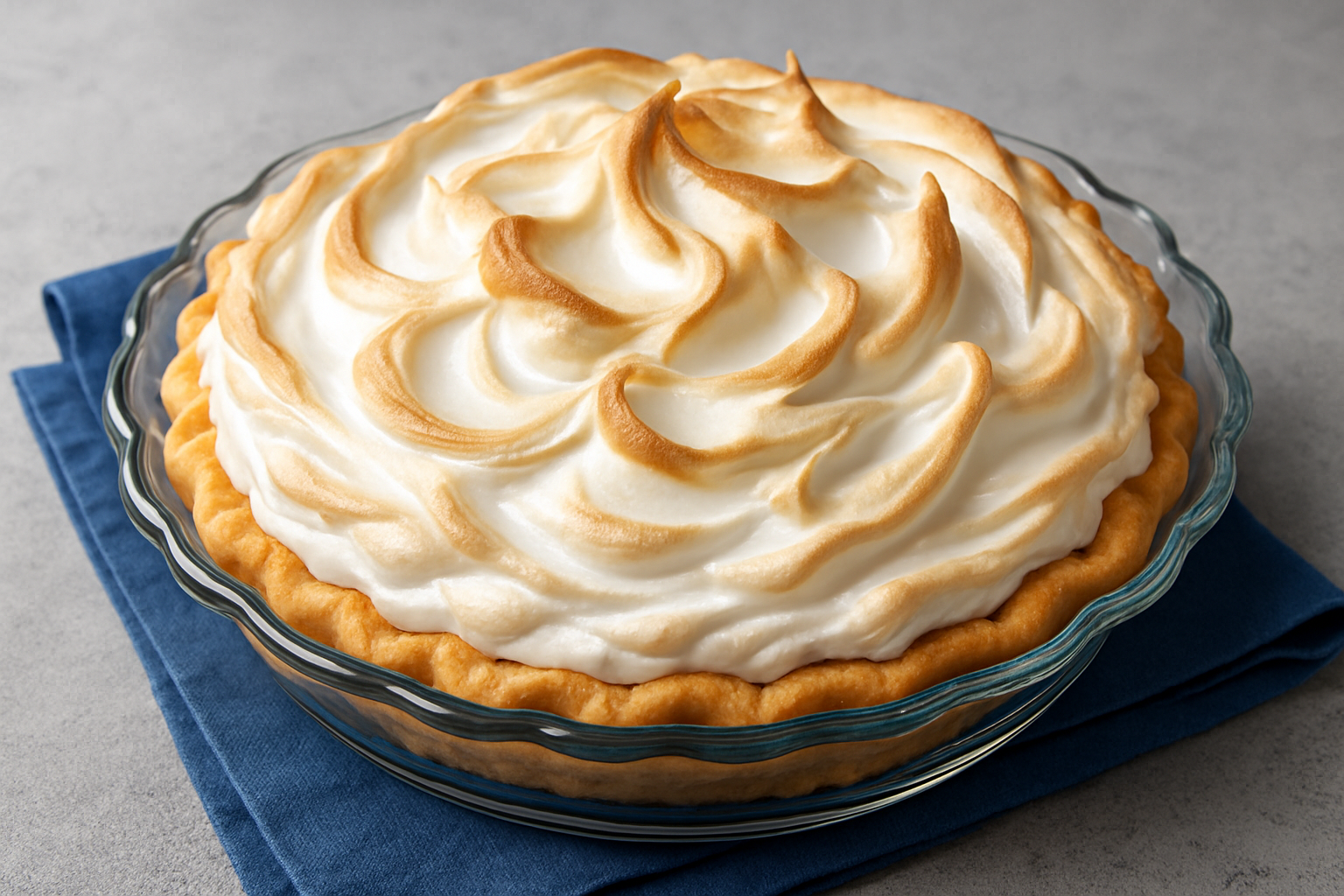
The secret to achieving those stiff, glossy peaks in your meringue lies not in complicated techniques or fancy ingredients, but in patience and proper mixing. This foolproof recipe delivers a versatile base for everything from lemon meringue pie topping to light-as-air meringue cookies.
The Science Behind Perfect Meringue
When egg whites are whipped, the proteins unfold and create a network that traps air bubbles. Adding an acid like cream of tartar stabilizes these bubbles, while sugar adds sweetness and helps create that signature glossy texture. The result? A magical transformation from liquid to fluffy cloud that holds its shape.
Ingredients You’ll Need
- 3 large egg whites, room temperature
- ¼ teaspoon cream of tartar
- 6 tablespoons granulated sugar
Kitchen Equipment
- Large mixing bowl – preferably glass or metal (avoid plastic)
- Electric mixer – a stand mixer is ideal, but a hand mixer works too
- Rubber spatula – for gently folding if needed
- Clean, dry tools – any moisture can ruin your meringue
Step-by-Step Meringue Instructions
- Ensure your mixing bowl and beaters are completely clean and dry. Even a tiny bit of grease or water can prevent your egg whites from whipping properly.
- Separate your eggs carefully, ensuring no yolk gets into the whites. For best results, use room temperature egg whites.
- Place the egg whites in your large bowl and add the cream of tartar.
- Beat with an electric mixer on medium speed until the mixture becomes foamy, approximately 1-2 minutes.
- Once foamy, gradually add the sugar, about 1 tablespoon at a time, while continuing to beat the mixture.
- Increase mixer speed to high and continue beating until stiff, glossy peaks form. This typically takes 4-7 minutes depending on your mixer.
- To test if your meringue is ready, lift your beater from the mixture – the meringue should form a stiff peak that holds its shape and doesn’t flop over at the tip.
Tips for Meringue Success
- Use fresh eggs – they whip up better than older eggs
- Separate eggs when cold – but let the whites come to room temperature before whipping
- Add sugar slowly – this ensures it fully dissolves for a silky-smooth texture
- Don’t rush – patience is key to achieving those perfect stiff peaks
- Avoid humid days – moisture in the air can make meringue sticky and prevent it from setting properly
Common Meringue Problems and Solutions
Weeping meringue: If your meringue starts to “weep” (release liquid), you likely added the sugar too quickly or didn’t beat it long enough.
Won’t form stiff peaks: Your bowl or utensils might have had traces of fat, or a bit of egg yolk may have slipped in. Even the tiniest amount can prevent proper whipping.
Beading: Those little sugary droplets on baked meringue usually mean the sugar wasn’t fully dissolved or the oven was too hot.
Ways to Use Your Perfect Meringue
- Pie topping: Spread over filled pies and bake until golden
- Meringue cookies: Pipe onto baking sheets and slow-bake until crisp
- Pavlova: Create a large nest shape, bake, and fill with whipped cream and fruit
- Frosting: Use as a light, marshmallow-like frosting for cakes
- Floating islands: Poach dollops in milk to create a classic French dessert
Nutritional Information
79 kcal per serving |
19g carbohydrates |
1g protein |
21mg sodium |
19g sugar
Frequently Asked Questions About Meringue
Can I make meringue in advance?
Unbaked meringue doesn’t store well, but baked meringue cookies can be stored in an airtight container for up to 2 weeks.
Why add cream of tartar?
Cream of tartar stabilizes the egg whites, helping them maintain their structure. You can substitute a few drops of lemon juice or white vinegar if needed.
Can I use a hand whisk instead of an electric mixer?
Yes, but prepare for an arm workout! It will take significantly longer to achieve stiff peaks by hand.
Master the Art of Meringue Today!
With just three simple ingredients and a bit of patience, you can create a stunning meringue that will elevate any dessert. Whether you’re topping a pie, making cookies, or creating a showstopping pavlova, this versatile recipe is all you need. Remember, the journey from egg whites to glossy peaks is a magical transformation – enjoy the process!
Recipe adapted from: AllRecipes Good Meringue
Perfect Classic Meringue: Light, Airy, and Incredibly Simple
Ingredients
Method
- Ensure your mixing bowl and beaters are completely clean and dry. Even a tiny bit of grease or water can prevent your egg whites from whipping properly.
- Separate your eggs carefully, ensuring no yolk gets into the whites. For best results, use room temperature egg whites.
- Place the egg whites in your large bowl and add the cream of tartar.
- Beat with an electric mixer on medium speed until the mixture becomes foamy, approximately 1-2 minutes.
- Once foamy, gradually add the sugar, about 1 tablespoon at a time, while continuing to beat the mixture.
- Increase mixer speed to high and continue beating until stiff, glossy peaks form. This typically takes 4-7 minutes depending on your mixer.
- To test if your meringue is ready, lift your beater from the mixture - the meringue should form a stiff peak that holds its shape and doesn't flop over at the tip.