Easy Homemade Dijon Mustard: French Condiment in 8 Simple Days
Homemade Classic Dijon Mustard with White Wine
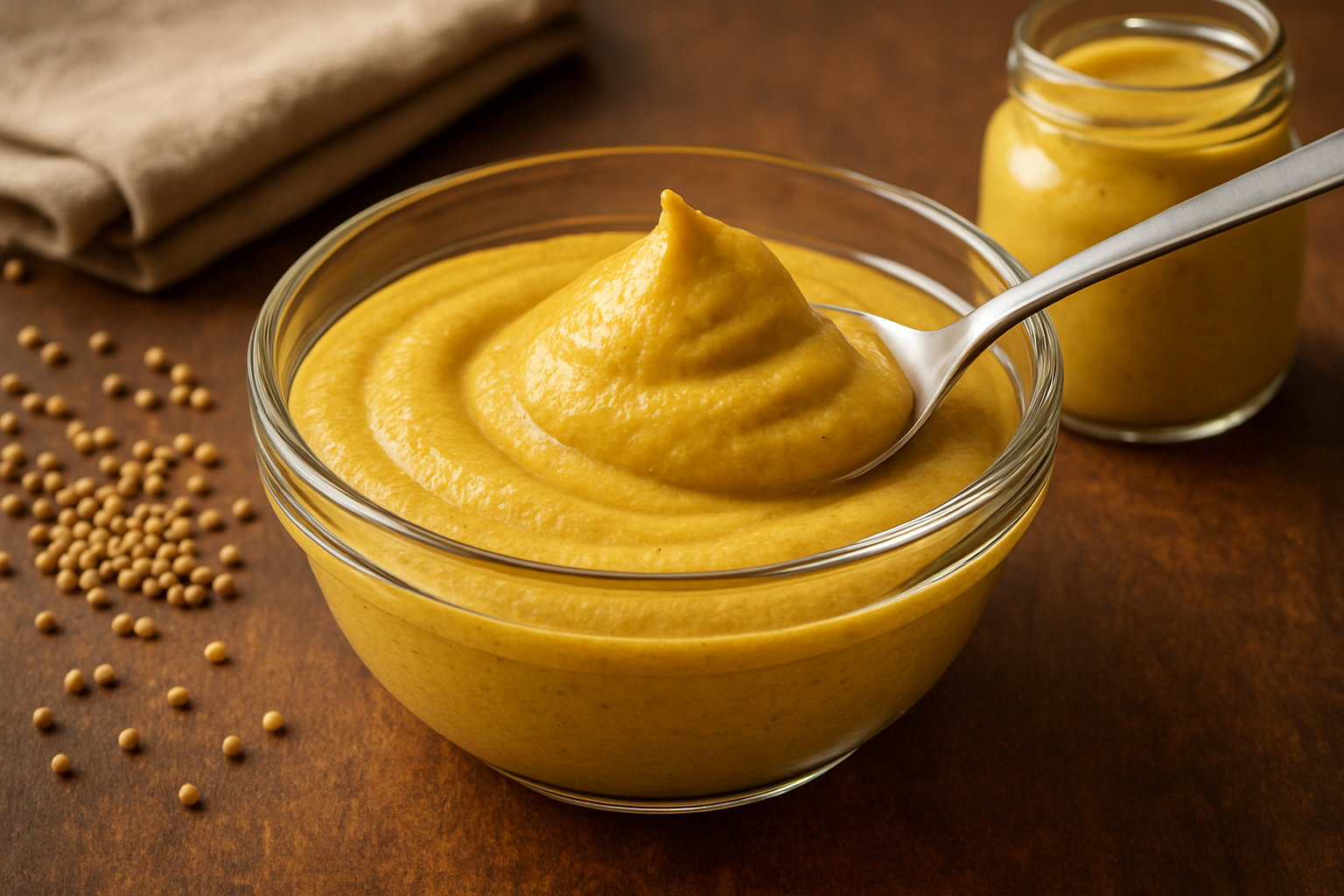
Creating your own dijon mustard at home is a rewarding culinary adventure that delivers far superior flavor than anything store-bought. This gourmet condiment combines the tangy zip of white wine with the pungent heat of mustard seeds for an authentic French-inspired sauce that elevates sandwiches, vinaigrettes, and marinades to new heights.
:max_bytes(150000):strip_icc()/AR-240790-chef-johns-dijon-mustard-ddmfs-3x4-b6e96e9393d645b0a8f362455641eb7e.jpg)
Why Make Your Own Dijon Mustard?
There’s something magical about crafting your own condiments. This traditional French mustard originated in Dijon, France, and has become a culinary staple worldwide. Making it yourself allows you to:
- Control the ingredients – no preservatives or additives
- Customize the heat level – make it as spicy or mild as you prefer
- Create an impressive homemade gift for food-loving friends
- Save money while enjoying superior quality
Essential Ingredients for Authentic Dijon Mustard
- 1 cup brown mustard seeds
- 1/2 cup yellow mustard seeds
- 1 1/2 cups high-quality dry white wine (Chardonnay or Sauvignon Blanc work well)
- 1/2 cup white wine vinegar
- 1 small yellow onion, finely minced
- 3 cloves garlic, minced
- 1 tablespoon sea salt
- 1 teaspoon white pepper
- 1/2 teaspoon ground allspice
- 2 tablespoons honey (optional, for slightly sweeter mustard)
Equipment You’ll Need
- Glass jar or container for soaking mustard seeds
- Food processor or high-powered blender
- Fine mesh strainer
- Sterilized glass jars for storage
Step-by-Step Dijon Mustard Preparation
- In a large glass bowl, combine brown and yellow mustard seeds. Pour in the white wine and white wine vinegar. Stir to ensure all seeds are submerged.
- Cover the bowl with plastic wrap or a clean kitchen towel and let it sit at room temperature for 24-48 hours. The seeds will absorb the liquid and soften considerably.
- After soaking, transfer the mixture to a food processor. Add the minced onion, garlic, salt, white pepper, and allspice.
- Process until you reach your desired consistency. For traditional Dijon texture, process for 3-5 minutes until smooth with some whole seeds remaining for texture. For a smoother mustard, blend longer.
- If using honey, add it now and pulse a few more times to incorporate.
- Transfer the mustard to sterilized jars, seal tightly, and refrigerate for at least one week before using. This aging period allows the flavors to mellow and develop fully.
- After aging, your homemade Dijon mustard is ready to enjoy! It will keep refrigerated for up to 6 months.
Culinary Uses for Your Homemade Dijon Mustard
This versatile condiment works beautifully in so many applications:
- Classic vinaigrettes – Whisk with olive oil and vinegar for a perfect salad dressing
- Marinades for meat – Particularly excellent with chicken, pork, and lamb
- Sandwich spread – Elevates ham, roast beef, or vegetable sandwiches
- Sauce enhancer – Add depth to cream sauces, pan gravies, or hollandaise
- Cheese companion – Pairs beautifully with charcuterie boards
Pro Tips for Perfect Dijon Mustard
- Quality matters: Use the best white wine you can afford – it significantly impacts the final flavor.
- Patience pays off: Don’t skip the aging process; the flavors truly develop over time.
- Texture control: For smoother mustard, soak seeds longer and process more thoroughly.
- Heat adjustment: For milder mustard, use more yellow seeds; for spicier mustard, use more brown seeds.
- Storage solution: Always keep refrigerated in airtight containers to maintain freshness.
Nutrition Information
Per serving (1 teaspoon):
- Calories: 23 kcal
- Carbohydrates: 2g
- Protein: 1g
- Fat: 1g
- Fiber: 1g
- Sodium: 37mg
Frequently Asked Questions About Dijon Mustard
What makes Dijon mustard different from regular mustard?
Dijon mustard is distinguished by its use of white wine instead of water or vinegar alone, giving it a more complex, sophisticated flavor profile with balanced acidity.
Can I adjust the spiciness of homemade Dijon mustard?
Absolutely! Increase the ratio of brown to yellow mustard seeds for spicier mustard, or do the opposite for milder flavor. The processing time also affects heat—shorter processing preserves more heat.
How long does homemade Dijon mustard last?
When properly stored in sterilized jars in the refrigerator, homemade Dijon mustard maintains peak quality for up to 6 months.
Whether you’re spreading it on sandwiches, whisking it into dressings, or using it to enhance your favorite recipes, this homemade dijon mustard delivers exceptional flavor that simply can’t be matched by commercial varieties.
Recipe adapted from: Chef John’s Dijon Mustard
Homemade Classic Dijon Mustard with White Wine
Ingredients
Method
- In a large glass bowl, combine brown and yellow mustard seeds. Pour in the white wine and white wine vinegar. Stir to ensure all seeds are submerged.
- Cover the bowl with plastic wrap or a clean kitchen towel and let it sit at room temperature for 24-48 hours. The seeds will absorb the liquid and soften considerably.
- After soaking, transfer the mixture to a food processor. Add the minced onion, garlic, salt, white pepper, and allspice.
- Process until you reach your desired consistency. For traditional Dijon texture, process for 3-5 minutes until smooth with some whole seeds remaining for texture. For a smoother mustard, blend longer.
- If using honey, add it now and pulse a few more times to incorporate.
- Transfer the mustard to sterilized jars, seal tightly, and refrigerate for at least one week before using. This aging period allows the flavors to mellow and develop fully.
- After aging, your homemade Dijon mustard is ready to enjoy! It will keep refrigerated for up to 6 months.