Easy Homemade Hollandaise Sauce: Classic French Recipe in 20 Minutes
Classic Homemade Hollandaise Sauce Recipe
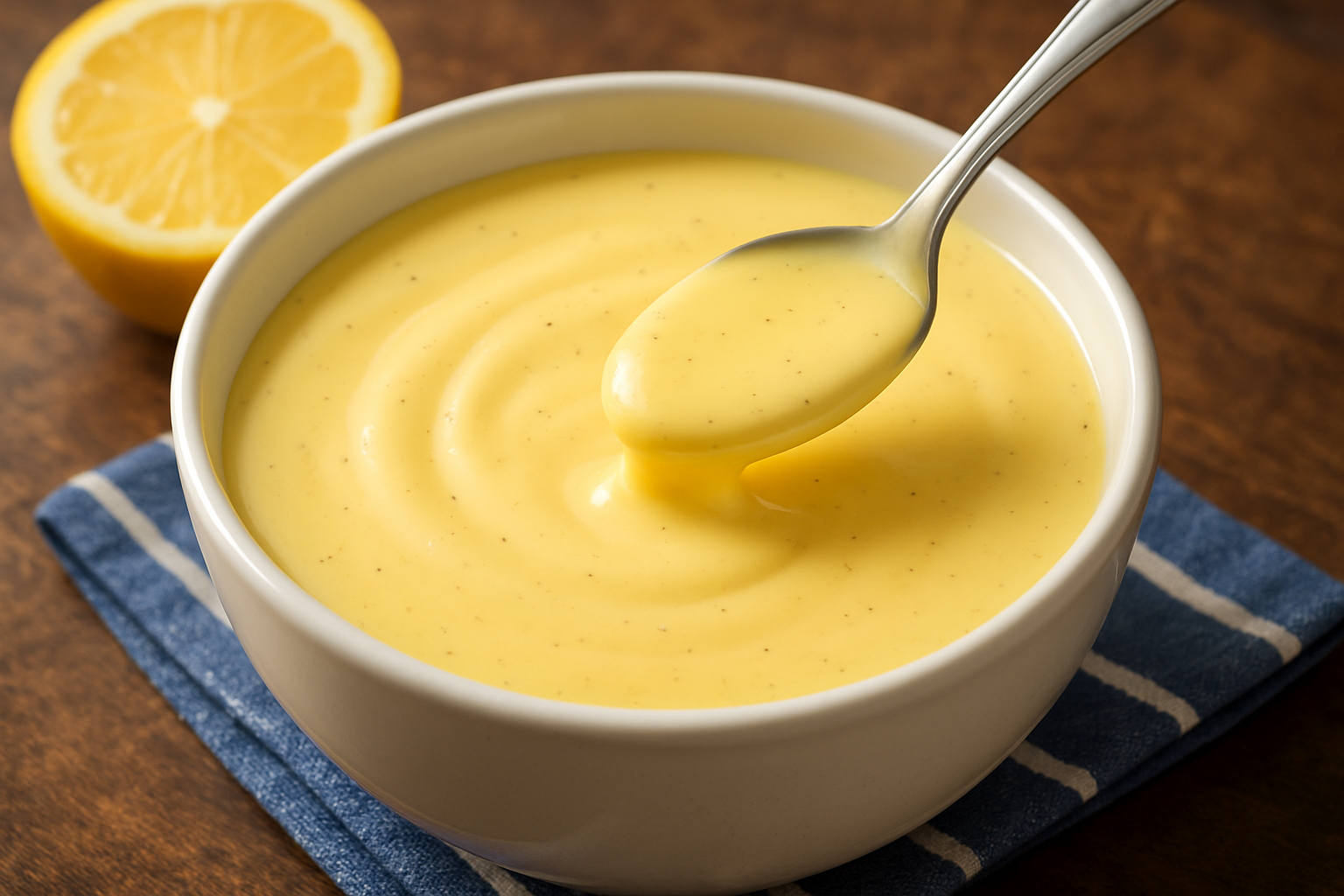
This rich, velvety hollandaise sauce is the perfect accompaniment to elevate your breakfast or brunch dishes. With just a few simple ingredients and our foolproof technique, you’ll master this classic French sauce that transforms ordinary dishes into extraordinary culinary experiences.
:max_bytes(150000):strip_icc()/RM-14661-HollandaiseSauce-ddmfs-3x4-5847-4712f211580e47aa99b147c1e11c072e.jpg)
Why You’ll Love This Hollandaise Sauce
This luxurious sauce is often considered intimidating, but our method makes it accessible for home cooks of all skill levels. The butter-forward, lemony flavor creates the perfect balance of richness and acidity. Once you master this mother sauce, you’ll find yourself making it regularly for weekend brunches and special occasions!
What is Hollandaise Sauce?
Hollandaise is one of the five mother sauces in classical French cuisine. This emulsified sauce combines egg yolks, butter, and lemon juice to create a thick, creamy consistency that’s perfect for drizzling over eggs Benedict, asparagus, salmon, or any dish that benefits from a touch of luxury.
Ingredients for Perfect Hollandaise Sauce
- 3 large egg yolks (room temperature)
- 1 tablespoon fresh lemon juice
- ½ cup (1 stick) unsalted butter, melted and kept warm
- Pinch of cayenne pepper (optional)
- Salt to taste
- 1-2 tablespoons warm water (if needed for consistency)
Kitchen Tools You’ll Need
- Small saucepan or double boiler
- Whisk
- Heat-resistant bowl
- Measuring spoons
How to Make Hollandaise Sauce Step-by-Step
- Prepare your workspace: Gather all ingredients and equipment before starting. Having everything ready will ensure smooth preparation since timing is crucial for this sauce.
- Separate the eggs: Carefully separate the egg yolks from the whites. Place the yolks in a small heat-resistant bowl. (Save the egg whites for meringues or healthy omelets!)
- Add lemon juice: Whisk the fresh lemon juice into the egg yolks until the mixture is smooth and slightly lighter in color.
- Create a double boiler: Fill a small saucepan with about 1-2 inches of water and bring to a gentle simmer (not boiling). Place your bowl with the egg yolk mixture on top, ensuring the bottom of the bowl doesn’t touch the water.
- Start whisking: Over the gentle heat, whisk the egg yolk mixture continuously until it begins to thicken. This should take 3-4 minutes. The mixture will increase in volume and become pale.
- Incorporate the butter: Remove the bowl from heat. Slowly drizzle in the warm melted butter while whisking constantly. Add it in a thin stream to ensure proper emulsification. The sauce will thicken as you add the butter.
- Season the sauce: Add a pinch of cayenne pepper (if using) and salt to taste. Whisk to combine.
- Adjust consistency: If the sauce is too thick, whisk in 1-2 tablespoons of warm water until you reach your desired consistency.
- Serve immediately: Hollandaise sauce is best enjoyed fresh and warm. Transfer to a serving container with a spout for easy pouring.
Pro Tips for Perfect Hollandaise Every Time
- Temperature matters: Use room temperature egg yolks to help them emulsify more easily.
- Gentle heat: Never let your sauce get too hot or the eggs will scramble. If you see the bottom of the bowl getting too warm, remove it from heat briefly while continuing to whisk.
- Continuous whisking: Don’t stop whisking! Continuous movement is key for a smooth, well-emulsified sauce.
- Butter temperature: Your melted butter should be warm but not hot to ensure proper emulsification.
- Fixing broken sauce: If your sauce “breaks” (separates), whisk 1 tablespoon of hot water in a clean bowl, then slowly whisk in the broken sauce to re-emulsify.
Variations of Traditional Hollandaise
- Béarnaise Sauce: Replace lemon juice with white wine vinegar and add tarragon for a classic steak sauce.
- Dijon Hollandaise: Add 1 teaspoon of Dijon mustard for a subtle tang.
- Herb Hollandaise: Stir in 1 tablespoon of finely chopped fresh herbs like chives, dill, or parsley.
- Spicy Hollandaise: Increase the cayenne pepper or add a dash of hot sauce for heat.
Serving Suggestions for Hollandaise Sauce
This versatile sauce pairs beautifully with many dishes:
- Classic Eggs Benedict
- Steamed or roasted asparagus
- Poached or grilled salmon
- Steamed artichokes
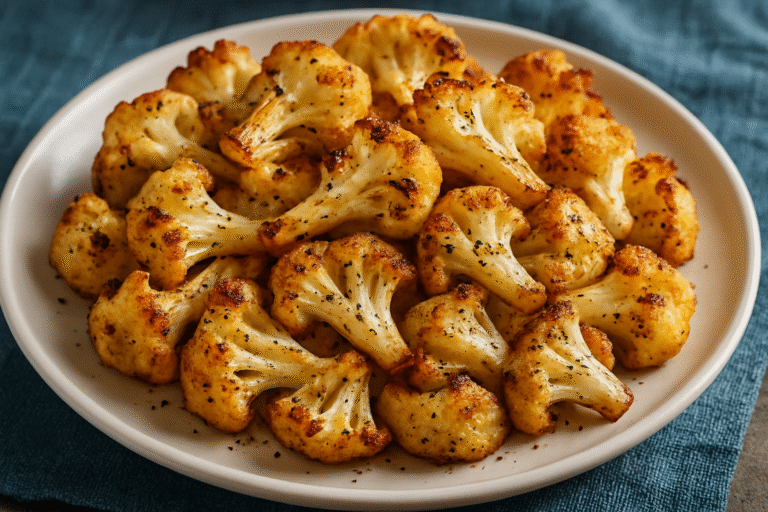
- Roasted vegetables like broccoli or cauliflower
- Crab cakes
Storage and Reheating
While hollandaise sauce is best enjoyed fresh, you can store leftovers in an airtight container in the refrigerator for up to 2 days. To reheat:
- Place the cold sauce in a heat-resistant bowl over barely simmering water.
- Whisk gently until the sauce reaches 110°F to 120°F (warm but not hot).
- If the sauce separates during reheating, add 1-2 teaspoons of hot water and whisk vigorously to re-emulsify.
Nutritional Information
Per Serving (¼ of recipe):
- 450 calories
- 1g carbohydrates
- 3g protein
- 49g fat
- 30g saturated fat
- 276mg cholesterol
- 12mg sodium
- 0g sugar
Frequently Asked Questions About Hollandaise Sauce
Why did my hollandaise sauce separate?
Separation usually happens when the sauce gets too hot or the butter is added too quickly. To fix it, try adding a teaspoon of hot water and whisk vigorously, or start over with a fresh egg yolk and slowly incorporate the broken sauce.
Is hollandaise sauce safe to eat?
Since hollandaise sauce contains partially cooked egg yolks, there is some risk. Using the freshest eggs possible and heating them to at least 140°F reduces risk. If you’re concerned, consider using pasteurized eggs.
Can I make hollandaise sauce in advance?
While not ideal, you can make it up to 1 hour ahead and keep it warm in a thermos or over a bowl of warm (not hot) water. For best results, make it just before serving.
Can I freeze hollandaise sauce?
Hollandaise sauce doesn’t freeze well as it will separate when thawed. It’s best made fresh.
Whether you’re preparing a special breakfast, enhancing vegetables, or elevating seafood dishes, this classic hollandaise sauce recipe will become your go-to for adding rich, buttery elegance to countless meals.
Classic Homemade Hollandaise Sauce Recipe
Ingredients
Method
- Prepare your workspace: Gather all ingredients and equipment before starting. Having everything ready will ensure smooth preparation since timing is crucial for this sauce.
- Separate the eggs: Carefully separate the egg yolks from the whites. Place the yolks in a small heat-resistant bowl.
- Add lemon juice: Whisk the fresh lemon juice into the egg yolks until the mixture is smooth and slightly lighter in color.
- Create a double boiler: Fill a small saucepan with about 1-2 inches of water and bring to a gentle simmer (not boiling). Place your bowl with the egg yolk mixture on top, ensuring the bottom of the bowl doesn't touch the water.
- Start whisking: Over the gentle heat, whisk the egg yolk mixture continuously until it begins to thicken. This should take 3-4 minutes. The mixture will increase in volume and become pale.
- Incorporate the butter: Remove the bowl from heat. Slowly drizzle in the warm melted butter while whisking constantly. Add it in a thin stream to ensure proper emulsification. The sauce will thicken as you add the butter.
- Season the sauce: Add a pinch of cayenne pepper (if using) and salt to taste. Whisk to combine.
- Adjust consistency: If the sauce is too thick, whisk in 1-2 tablespoons of warm water until you reach your desired consistency.
- Serve immediately: Hollandaise sauce is best enjoyed fresh and warm. Transfer to a serving container with a spout for easy pouring.