How to Cook Perfect Over Easy Eggs: A Simple Guide to Runny Yolk Breakfast Mastery
Perfect Over Easy Eggs: A Breakfast Classic Mastered
:max_bytes(150000):strip_icc()/9256075-9e4e5e3fdcf0456297f4251b0f7ec121.jpg)
Learning how to cook over easy eggs is an essential kitchen skill every home chef should master. The perfect over easy egg features firm, fully set whites with a warm, runny yolk that creates a delicious natural sauce for toast, hash browns, or whatever else you’re serving for breakfast. This simple yet precise technique delivers restaurant-quality results in just minutes!
What Makes a Perfect Over Easy Egg?
The term “over easy” refers specifically to how the egg is cooked: first on one side until the whites are mostly set, then gently flipped and cooked briefly on the other side. The result should be completely set whites with a yolk that remains warm but runny. The key differences between over easy, over medium, and over hard eggs are simply how long they cook after flipping:
- Over Easy: Briefly cooked on the second side (about 30 seconds) – yolk stays runny
- Over Medium: Cooked slightly longer – yolk is partially set but still slightly runny
- Over Hard: Cooked until the yolk is completely set
Ingredients You’ll Need
- 1 large fresh egg
- 1 tablespoon unsalted butter
- Salt and freshly ground black pepper, to taste
Kitchen Tools
- 8-inch nonstick skillet or well-seasoned cast iron pan
- Flexible silicone or thin metal spatula
Step-by-Step Instructions for Perfect Over Easy Eggs
- Heat your skillet over medium heat for 1-2 minutes. The right temperature is crucial – too hot and your eggs will crisp and brown too quickly; too cool and they may stick to the pan.
- Add the butter to the pan and allow it to melt completely, swirling to coat the entire cooking surface. The butter should foam slightly but not brown.
- Crack the egg gently into the skillet. If you’re concerned about breaking the yolk, you can crack it into a small bowl first, then slide it into the pan.
- Cook undisturbed for 1½ to 2 minutes, or until the egg white is mostly set but the yolk is still completely runny. You’ll know it’s ready to flip when the whites are opaque and no longer translucent around the yolk.
- Using a thin spatula, carefully slide under the egg, making sure not to break the yolk, and flip it over in one smooth motion. If you’re new to this, try using your wrist to gently roll the egg over rather than flipping it high.
- Cook on the second side for just 15-30 seconds for the perfect over easy consistency.
- Immediately transfer to a warm plate and season with salt and pepper to taste.
Pro Tips for Over Easy Egg Success
- Use room temperature eggs – Cold eggs straight from the refrigerator are more likely to have the yolk break during cooking.
- Choose the right pan – A quality nonstick or well-seasoned cast iron skillet makes flipping much easier.
- Be gentle with the flip – The most crucial moment is the turn; practice makes perfect!
- Serve immediately – Over easy eggs continue to cook from residual heat, so get them onto the plate quickly to maintain that runny yolk.
Serving Suggestions
The beauty of over easy eggs lies in their versatility. Here are some delicious ways to enjoy them:
- Classic style on buttered toast with a sprinkle of herbs
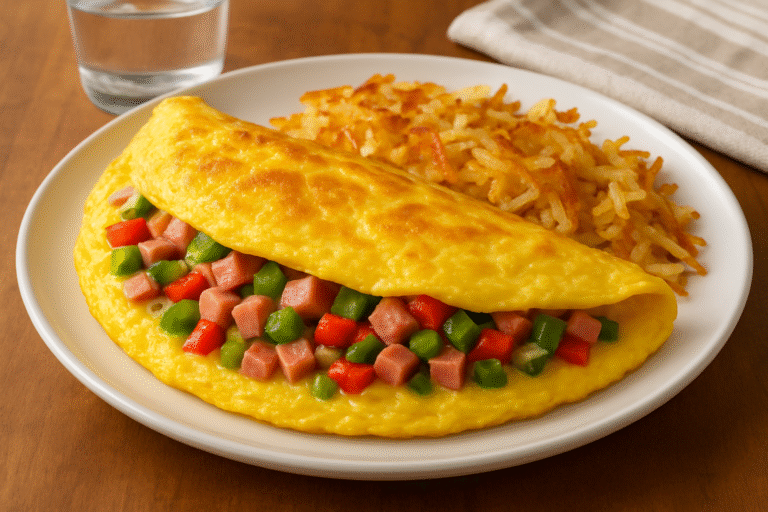
- Over hash browns with a side of bacon or sausage
- On avocado toast with a dash of hot sauce
- Atop a breakfast burger
- As a finishing touch on savory oatmeal
- Nestled on a bed of sautéed greens
Nutrition Information
Calories: 122 kcal
Fat: 11 g
Saturated Fat: 5 g
Cholesterol: 201 mg
Sodium: 71 mg
Carbohydrates: 0 g
Sugar: 0 g
Protein: 6 g
Frequently Asked Questions About Over Easy Eggs
Why do my eggs stick to the pan?
This usually happens when the pan isn’t hot enough before adding the egg, or if your nonstick surface is worn. Make sure to preheat your pan properly and use enough butter to coat the surface.
How can I flip an egg without breaking the yolk?
Use a thin, flexible spatula and slide it completely underneath the egg. Flip with a gentle wrist motion rather than a forceful flip. Practice makes perfect!
Are over easy eggs safe to eat?
Over easy eggs contain runny yolks, which means they’re not fully cooked. If you have concerns about food safety, particularly for those with compromised immune systems, pregnant women, or young children, consider cooking eggs more thoroughly.
Perfect Your Breakfast Game with Over Easy Eggs
Mastering the technique of cooking over easy eggs is a simple yet rewarding culinary skill that elevates your breakfast game. The contrast between the fully set whites and the luscious, runny yolk creates a perfect balance of textures and flavors that pairs beautifully with countless breakfast favorites. With just a few minutes and minimal ingredients, you can create a restaurant-worthy breakfast at home any day of the week!
Perfect Over Easy Eggs: A Breakfast Classic Mastered
Ingredients
Method
- Heat your skillet over medium heat for 1-2 minutes. The right temperature is crucial - too hot and your eggs will crisp and brown too quickly; too cool and they may stick to the pan.
- Add the butter to the pan and allow it to melt completely, swirling to coat the entire cooking surface. The butter should foam slightly but not brown.
- Crack the egg gently into the skillet. If you're concerned about breaking the yolk, you can crack it into a small bowl first, then slide it into the pan.
- Cook undisturbed for 1½ to 2 minutes, or until the egg white is mostly set but the yolk is still completely runny. You'll know it's ready to flip when the whites are opaque and no longer translucent around the yolk.
- Using a thin spatula, carefully slide under the egg, making sure not to break the yolk, and flip it over in one smooth motion. If you're new to this, try using your wrist to gently roll the egg over rather than flipping it high.
- Cook on the second side for just 15-30 seconds for the perfect over easy consistency.
- Immediately transfer to a warm plate and season with salt and pepper to taste.